
Plants
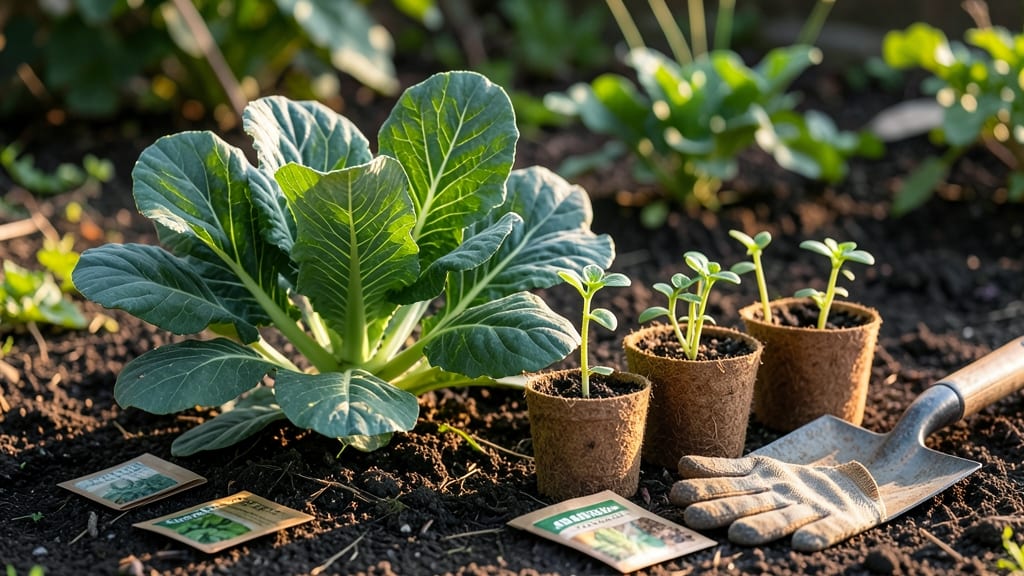
Knowing when to plant collard greens in Alabama can mean the difference between tender, flavorful leaves and tough, bitter harvests. With Alabama’s mild winters and long growing season, these 🥬 powerhouses thrive year-round—but timing is everything to avoid bolting or frost damage.
Whether you’re a first-time gardener or a seasoned green thumb, planting collard greens at the right time ensures a steady supply of nutrients from spring through winter.
In USDA zones 7a-8b, the ideal windows are late February to early April for spring harvests and August to September for fall crops.
This guide breaks down Alabama’s frost dates, heat-resistant varieties, and pro tips to keep your collard patch productive—no matter the season. Let’s get those seeds in the ground the right way!
From soil prep to pest prevention, you’ll discover how to maximize your harvest with minimal effort. Ready to grow collards that last?
Alabama’s collard green planting calendar: frost dates & optimal months for maximum yield
Alabama’s USDA zones 7a-8b create a unique growing window for collard greens, allowing year-round harvests with proper timing. Unlike northern states, our mild winters and long frost-free seasons (210-240 days) mean you can plant collards in spring, fall, and even late summer for continuous production.
The key is aligning your planting schedule with frost dates and soil temperatures to avoid bitter leaves or stunted growth.
In Alabama, the last average frost date typically falls around March 15 (earlier in southern regions like Mobile), while the first frost usually arrives by November 15 (later in the north near Huntsville).
This creates a 240-day growing window—perfect for collards, which thrive in cool weather but can handle light frosts once established. Understanding these dates helps you plan for three distinct planting windows: early spring, late summer/fall, and even a winter harvest if you plant in September.
For maximum yield, I’ve broken down the optimal planting months based on Alabama’s microclimates. Northern Alabama (Birmingham/Huntsville) has slightly cooler winters, while southern Alabama (Mobile/Dothan) enjoys longer growing seasons. The table below shows the best months to plant for each region, along with harvest windows and frost considerations.
| Planting Window | Best Months (North AL) | Best Months (South AL) | Harvest Window | Frost Risk |
|---|---|---|---|---|
| Early Spring | Late February - Early April | Early February - Mid-March | May - June | Low (after last frost) |
| Late Summer/Fall | August - September | July - August | October - December | Moderate (first frost Nov) |
| Winter (Extended) | September (for overwintering) | August (for overwintering) | January - February | High (use row covers) |
*South AL can plant 2-4 weeks earlier than North AL due to warmer microclimates.
The early spring planting window (February-April) is ideal for a summer harvest before Alabama’s summer heat sets in. For this window, I recommend planting 4-6 weeks before your last frost date—so if your frost date is March 15, aim for mid-February.
In southern Alabama, this can be as early as late January for a jump-start on growth. Collards planted in spring will be ready for harvest by late May or June, just as summer’s heat begins to limit other greens.
For a fall/winter harvest, the late summer planting window (August-September) is critical. This timing allows collards to establish roots before cooler weather arrives, ensuring they’re ready to bolt-resistant and sweet-tasting by October.
In northern Alabama, I plant by mid-August to avoid early frosts, while southern gardeners can extend this to early September. With proper row covers or cold frames, these plants will keep producing through December and January, even with light frosts.
One of my favorite strategies for Alabama gardeners is succession planting in late summer. By planting new collard seeds every 2-3 weeks from August through September, you can stagger harvests and ensure a continuous supply of fresh greens.
This works especially well in USDA zone 8b areas like Mobile, where winters are mild enough to allow year-round growth with minimal protection. Even in colder northern Alabama, a heavy mulch layer (4-6 inches of straw) can protect roots and extend the harvest season by 4-6 weeks.
When planning your collard green schedule, always check the Alabama Agricultural Statistics Service or your local Cooperative Extension office for updated frost dates—these can vary slightly year to year. For example, the 2023 growing season saw an unusually early frost in Huntsville (October 5), catching some gardeners off guard.
Using a frost watch calendar and planting 4-6 weeks before the average first frost gives your collards a buffer for these unpredictable shifts.
Pro tip: If you’re new to growing collards in Alabama, start with a small test batch in both spring and fall to see which window works best for your microclimate.
I’ve found that northern Alabama gardens often get better results from fall plantings, while southern Alabama gardeners can successfully grow collards year-round with minimal protection. The key is adapting to your local frost patterns rather than following a one-size-fits-all calendar.
Remember, collards are cold-hardy but not frost-tolerant in their early stages. Young seedlings planted too close to frost will struggle, so always aim to establish plants 4-6 weeks before the first expected frost.
With this timing, you’ll have lush, sweet collards ready for harvest just as other summer crops wind down—giving you a homegrown staple for fall and winter meals. 🥬
Best heat-resistant collard green varieties for Alabama’s summer planting (and how to beat bolting)
Alabama’s summer heat can turn collard greens bitter or cause them to bolt prematurely—but the right heat-resistant varieties and care tricks keep your harvest sweet and abundant. I’ve grown collards in USDA zones 7a-8b for years, and these top 5 varieties consistently deliver even when temperatures climb above 90°F.
For summer planting, focus on slow-bolting types like ‘Georgia Southern’ or ‘Top Bunch’, which tolerate heat better than standard varieties. Plant these in late July or early August to avoid the peak heatwave while still enjoying fall harvests. Shade cloth (30-50%) can extend their season by 2-3 weeks.
Bolting is the biggest summer threat—when plants focus on flowering instead of leaf production. To prevent it, keep soil consistently moist (1-2 inches per week) and mulch with straw or wood chips to regulate temperature. Avoid fertilizing heavily in summer, as excess nitrogen speeds up bolting.
| Variety | Heat Tolerance | Bolting Risk | Best For |
|---|---|---|---|
| Georgia Southern | High (90°F+) | Low | Summer harvests |
| Top Bunch | Medium-High | Medium | Year-round |
| Vates | Medium | Low | Cold tolerance + heat |
| Blue Max | High | Medium | Large leaves |
| Champion | Medium | Low | Early harvests |
My #1 tip for summer success? Plant in partial shade (morning sun, afternoon shade) if possible. In my Huntsville garden, I use black mesh shade cloth over seedlings until they’re established, then remove it gradually. This trick adds 3-4 weeks to the harvest window.
For irrigation, drip lines work best—they deliver water directly to roots without wetting leaves (which reduces fungal risks). In Alabama’s humidity, fungal diseases like downy mildew can strike fast, so always water in the early morning and avoid overhead sprinklers.
With the right variety and care, you can enjoy tender collard greens even in Alabama’s hottest months. Try ‘Georgia Southern’ first—it’s my go-to for summer planting because it rarely bolts and tastes sweeter after heat waves. Happy growing!