
Plants
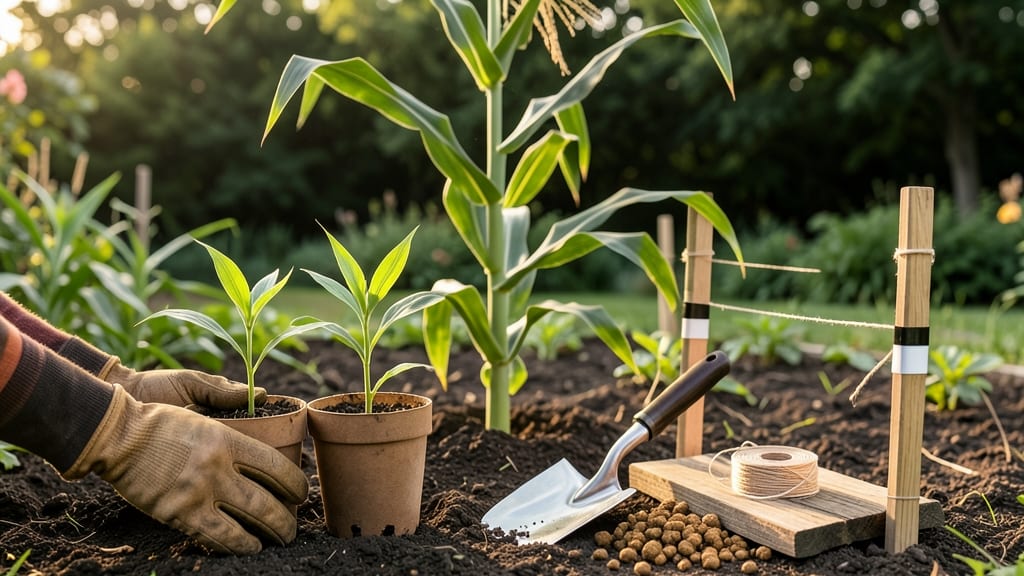
Timing your 🌽 corn planting in Seattle can make or break your harvest—get it wrong, and you’ll end up with bolting plants or stunted ears.
The mid-April to early May window is your sweet spot, but Seattle’s microclimates mean your neighbors might be planting a week earlier or later than you.
With USDA Zone 8a and unpredictable spring rains, knowing when the soil warms to 60°F (not just the calendar date) is the key to success. I’ll show you how to read your garden’s signals and adjust for Seattle’s wet West Side or drier East Side differences.
You’ll also discover how to stretch your growing season for late varieties, protect tender seedlings from late frosts, and choose the best corn types that thrive in our 180-day window. Let’s turn your corn patch from a gamble into a guaranteed harvest.
Whether you’re a first-time gardener or a seasoned grower, these microclimate-specific tips will help you avoid common pitfalls and enjoy sweet, plump ears from late July through September.
Seattle’s microclimates: best corn planting dates by zone
Seattle’s diverse microclimates can shift your corn planting dates by weeks—even blocks apart. The West Side (rainier, cooler) often waits until late April to early May, while the East Side (warmer, drier) can start as early as mid-April.
Puget Sound lowlands typically fall in between, with early May being the safest bet. These differences matter because corn bolts (goes to seed prematurely) if stressed by cold snaps.
Your last frost date is critical: Seattle’s average is March 15, but late frosts can linger until April 15. Corn seeds won’t germinate below 50°F (10°C), and seedlings won’t survive if nighttime temps drop below 45°F (7°C).
Use a soil thermometer to confirm 60°F (15°C) soil temps before planting—this usually aligns with late April to early May for most areas.
🌽
For urban gardeners, downtown Seattle’s heat island effect can let you plant 1-2 weeks earlier than surrounding areas.
Test your soil’s warmth by pressing your hand into the ground—if it feels lukewarm (like bathwater), it’s ready. Cold, wet springs (like 2023) may delay planting until mid-May, so monitor NOAA forecasts for your specific neighborhood.
If you’re staggering plantings for continuous harvests, space your second planting 10-14 days after the first. This ensures overlapping maturity and reduces bolting risks from heatwaves.
For example, plant half your seeds in late April and the rest in early May—this way, you’ll have ears ready from July through September.
🌡️
Seattle’s short growing season (about 180 frost-free days) means early-maturing varieties are a must. Aim for 70-90 day varieties like ‘Golden Bantam’ or ‘Peaches and Cream’ to avoid first frost risks in November.
If you’re pushing the envelope with 100-day varieties, start seeds indoors in March and transplant after last frost—but this requires row covers for early protection.
Pro tip: Use black plastic mulch to warm soil 5-10°F faster than bare earth. Lay it down 1-2 weeks before planting to jumpstart germination. Pair this with drip irrigation to maintain consistent moisture—corn wilts quickly in Seattle’s dry summer winds.
💧
Finally, track your local microclimate for 3 years to refine your schedule. Some years, June heatwaves (like 2021) can push corn to bolt prematurely, while others, cool summers (like 2019) may delay maturity.
Adjust your planting window based on these patterns—this is how Seattle gardeners consistently grow bolting-free corn despite the odds.
How to adjust planting for Seattle’s unpredictable weather
Seattle’s cool, wet springs and unpredictable frost dates can derail even the best-laid corn planting plans. But with the right adjustments, you can protect your crop from late frosts, bolting, and excessive rainfall.
The key is flexibility—staggered planting, soil warming, and strategic sheltering can turn Seattle’s quirks into advantages for your garden.
First, monitor soil temperatures closely. Corn seeds won’t germinate well below 50°F (10°C), and seedlings can’t survive frosts below 32°F (0°C). Use a soil thermometer to confirm readiness—waiting an extra week for warmer soil prevents slow, uneven sprouting that invites pests and disease.
For early spring planting (March-April), consider a cold frame or black plastic mulch to warm the soil faster. Lay down mulch 2-3 weeks before planting to raise soil temps by 5-10°F. This trick works especially well in Puget Sound lowlands, where marine influence keeps nights chilly longer.
🚨 Late Frost Warning
Never plant corn before your last frost date (typically May 15 in Seattle). Use row covers if planting early, but remove them by early June to prevent heat stress from trapped warmth.
Signs of frost damage: Blackened leaves, stunted growth, or silver-gray mold on stems.
If your first frost arrives early (common in elevated East Side neighborhoods like Ballard or Magnolia), opt for short-season varieties (like ‘Golden Bantam’) and plant 2-3 weeks later than the recommended window.
For continuous harvests, stagger plantings every 10-14 days—this ensures fresh ears even if one batch bolts or gets hit by rain.
Seattle’s heavy spring rains can drown seeds or cause soil compaction, so raise beds or plant on ridges to improve drainage. Add compost or aged manure to heavy clay soils to prevent waterlogging.
And always water in the morning to avoid fungal diseases like corn smut, which thrives in damp, shady conditions.
For late-season heatwaves (like those in July-August), provide afternoon shade with lightweight row covers or drip irrigation to keep soil moist. Mulch with straw or grass clippings to retain moisture and regulate soil temperature—this is especially critical for dwarf varieties that struggle in high heat.