
Plants
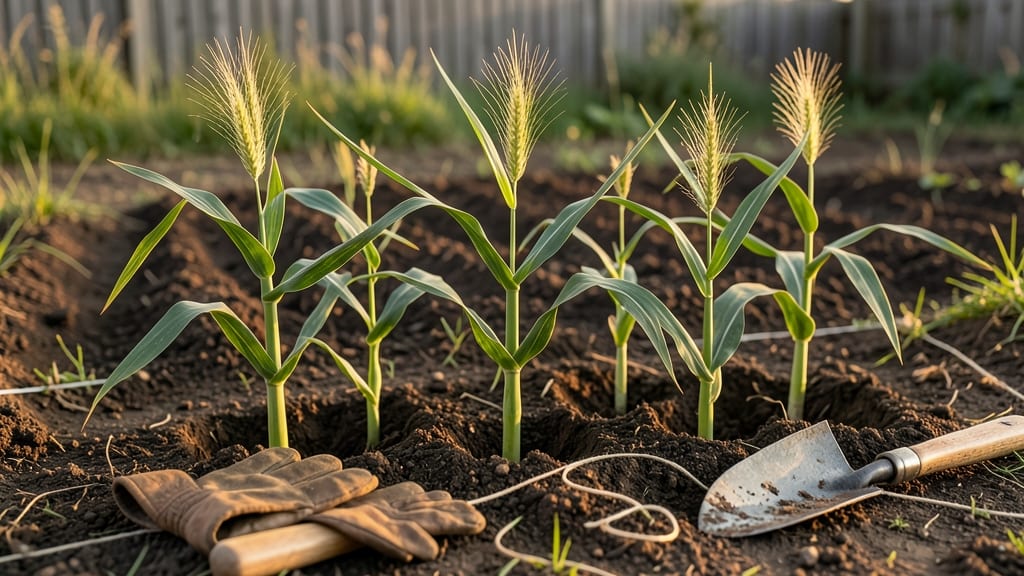
If you're planting corn in Zone 5b, timing isn't just important—it's the difference between plump ears and tiny disappointments. The sweet spot for corn 🌽 thrives on 60-90 frost-free days, and getting those dates wrong can mean bolted plants or stunted growth.
Most gardeners in Zone 5b know the struggle: too early, and frost zaps your seedlings; too late, and your harvest shrinks. The key? Planting after the last frost—typically mid-April to early May—but before the soil gets too hot.
I'll show you how to calculate your exact window and pick varieties that mature fast enough to beat frost.
Beyond frost dates, soil temperature matters more than you think. Corn needs at least 60°F soil to germinate, and waiting for that warmth means bigger ears and fewer surprises.
I’ll walk you through the 5 critical factors that change your timeline, from succession planting to using row covers for extra protection.
Ready for a harvest of juicy, full-size ears? Let’s dive into the exact steps to time your planting like a pro—no guesswork, just peak-season corn every time.

Zone 5B corn planting dates: calculating frost risks for maximum yield
In Zone 5B, your corn’s success hinges on two numbers: last frost date (typically mid-April) and days to maturity (60–110 days). Early varieties need 60–80 days to harvest, while late varieties stretch to 100+ days.
The math is simple: subtract your variety’s days-to-maturity from your first frost date (mid-October) to pinpoint your latest safe planting window.
For example, if you’re growing ‘Early Sunglow’ sweet corn (70 days to maturity), count back 70 days from October 15th. That lands you in early August—but wait! Corn thrives with warm soil (60°F+) and long daylight, so we adjust for reality.
Your ideal planting window in Zone 5B is actually mid-April to early May, after the last frost but before soil cools again in late spring.
Here’s the critical rule: Plant your earliest varieties (60–70 days) by April 15th to ensure harvest before frost. Late varieties (90+ days) should go in by May 10th—any later, and you risk bolting (premature flowering) or stunted ears.
Use a soil thermometer to confirm temps hit 50°F+ at 4-inch depth before planting.
| Variety Type | Days to Maturity | Last Planting Date (Zone 5B) | Harvest Window |
|---|---|---|---|
| Early Sweet Corn | 60–70 days | April 15–May 1 | Late July–early Aug |
| Mid-Season Sweet Corn | 80–90 days | April 30–May 15 | Mid-Aug–Sept |
| Late Flour/Popcorn | 100–110 days | May 1–May 15 | Sept–early Oct |
*Adjust dates 1–2 weeks earlier for microclimates (e.g., south-facing beds) or later for cooler years.
Zone 5B’s short growing season (165 frost-free days) demands precision. If you miss the spring window, don’t despair—succession planting can work. Try a second planting in early June for late varieties, but use row covers to shield young plants from unexpected late-spring frosts.
Just remember: corn planted after June 15th rarely matures fully before frost.
Pro tip: Use a planting calendar (like the Old Farmer’s Almanac) to track your historical frost dates. In Zone 5B, these can vary by 1–2 weeks yearly.
For example, if your area’s last frost shifts to May 1 one year, push your planting to May 15 to avoid frost damage. Pair this with a soil thermometer—corn seeds won’t germinate below 50°F, and slow starts delay maturity.
One common mistake is planting too early, hoping for a head start. Cold soil (below 50°F) causes seeds to rot or sprout unevenly. Instead, wait for consistent 60°F+ soil temps at 4-inch depth.
Test this by placing a thermometer in your garden bed for 3–5 days. If temps dip below 55°F at night, delay planting by a week.
For maximum ear size, aim to harvest before September 15th. After that, days shorten, and corn’s growth slows. If you’re growing late varieties, prioritize disease-resistant strains (like ‘Black Aztec’) to combat rust and blight, which thrive in Zone 5B’s humid summers.
Pair this with crop rotation—never plant corn in the same spot two years in a row to prevent soil-borne diseases.
Finally, account for microclimates in your garden. South-facing beds warm 2–3°F faster than north-facing ones, giving you a 1-week earlier planting window. If your yard has a frost pocket (a low-lying area where cold air settles), avoid planting corn there—it’s the first spot hit by late frosts.
Use a frost cloth for extra protection if needed.
5 Critical factors that change your planting timeline in Zone 5B
Zone 5B’s unpredictable spring weather means frost dates alone won’t guarantee success. Even if you plant after the last frost, cold soil can stall germination, while heat waves can stress young plants.
I’ve planted corn here for years, and these 5 factors make the biggest difference in ear size and yield.
First, soil temperature is your #1 priority. Corn seeds won’t sprout until soil hits 50°F, but optimal growth starts at 60°F+. Use a soil thermometer—planting when soil is 55°F risks slow starts.
In my garden, waiting until late April (when soil consistently hits 60°F) means faster germination and bigger ears.
Next, microclimates in Zone 5B can shift planting by weeks. A south-facing slope warms faster than a north-facing low spot. I once planted early on a sunny hillside and harvested 2 weeks before my neighbor’s flat yard!
Check your space: raised beds warm up faster, while shady spots may need row covers.
🌱 5 Critical Factors for Zone 5B Corn Planting
- Soil Temp: Wait for 60°F+ (use a thermometer!)
- Microclimates: South-facing areas plant 1-2 weeks earlier
- Succession Planting: Stagger seeds every 2 weeks for continuous harvests
- Row Covers: Extend season by 3-4 weeks if planted early
- Variety Maturity: 80-day varieties beat frost; 100-day risk failure
Don’t overlook succession planting. In Zone 5B, a single planting means 2-3 weeks of harvest—then it’s over. I plant 3 batches every 2 weeks in May: first with early varieties, then mid-season, and finally late for fall harvests (with row covers).
This ensures fresh ears from July through September.
For late-season protection, row covers work wonders. I’ve used them to push harvests into early October by trapping heat and warding off pests. Just remove covers when plants tassel (to allow pollination). Pro tip: Use floating row covers—they’re lighter and let in more light than heavy fabrics.
Finally, avoid these timing traps: planting too deep (max 1 inch), skipping soil prep (corn loves loose, fertile soil), or ignoring pest warnings (corn earworms thrive in hot weather). My biggest lesson? Adjust for your yard’s quirks—what works for my neighbor might fail in my cooler microclimate.