
Planting
Knowing when to plant cotton in Texas can mean the difference between a thriving crop and wasted effort. With three distinct planting windows across the state—from North Texas to the Gulf Coast—getting the timing right is everything.
The key is waiting for soil temperatures to hit 60°F and all frost danger to pass, but those deadlines shift dramatically depending on where you live. Whether you're in Zone 8a or 10b, we'll break down the exact windows for your region so you can plant with confidence.
From preparing your soil to spacing seedlings just right, this guide covers all the essential steps for successful cotton cultivation. Let's dive into the perfect planting schedule tailored to Texas gardeners.
You'll also discover how to adjust for local microclimates, choose the best varieties for your area, and avoid common pitfalls that could ruin your harvest. Ready to grow your best cotton yet?
Texas cotton planting deadlines by USDA hardiness zones & county
Texas spans USDA Zones 8a through 10b, meaning cotton planting deadlines shift dramatically from the Panhandle's chilly winters to South Texas's balmy climate. In Zone 8a (North Texas), wait until mid-March to early May after soil warms to 60-65°F.
Meanwhile, South Texas (Zones 9b-10b) can plant as early as January to March, thanks to milder winters and longer growing seasons.
Your last frost date is the golden rule—plant 2-3 weeks after frost to avoid cold snaps. For example, Lubbock (Zone 8a) typically waits until April 15, while Houston (Zone 9a) can start in mid-February. Always check your local USDA zone map or Texas A&M AgriLife Extension for precision.
Here’s a quick reference for key Texas regions and their optimal planting windows, soil temperature needs, and frost-free benchmarks:
| Region | USDA Zone | Planting Window | Soil Temp (°F) | Last Frost Date |
|---|---|---|---|---|
| North Texas (Panhandle, Amarillo) | 8a | Mid-March to early May | 60-65°F | February 15 - March 15 |
| Central Texas (Austin, Waco) | 8a-8b | Late February to early April | 60-65°F | February 1 - March 1 |
| East Texas (Tyler, Beaumont) | 8b-9a | February to early April | 60-65°F | January 15 - February 15 |
| South Texas (Corpus Christi, Brownsville) | 9b-10b | January to March | 60-65°F | January 1 - February 1 |
Pro tip: Use a soil thermometer to confirm 60°F+ soil temps before planting. Cold soil delays germination and invites damping-off disease. In West Texas, where sandy soils warm faster, you might plant 1-2 weeks earlier than the table suggests.
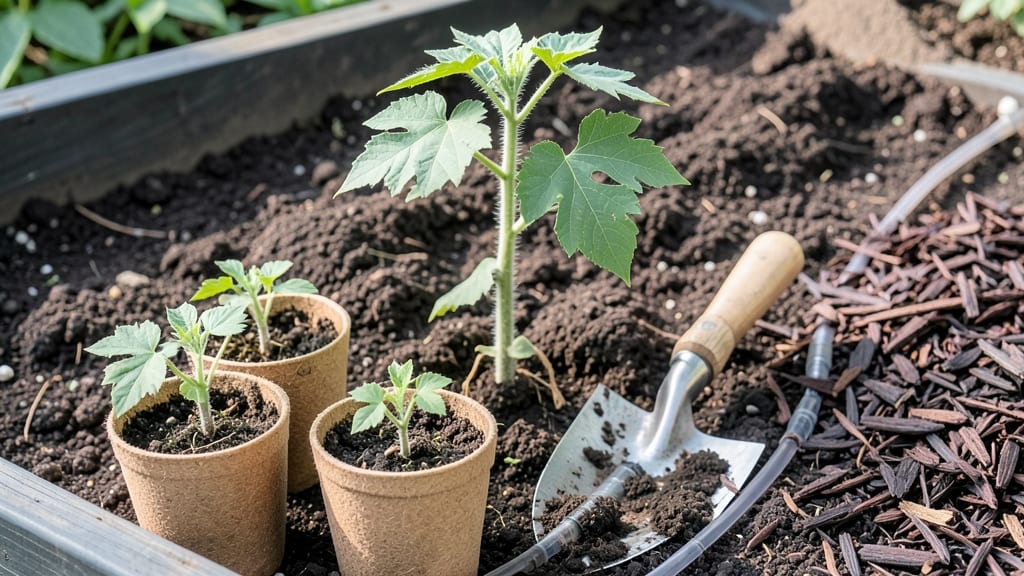
For container growing, extend your window by starting seeds 6-8 weeks before your last frost date. Use biodegradable pots to transplant seedlings directly into the garden, minimizing root disturbance. This is especially useful in urban gardens where space is limited.
Remember, early planting in North Texas risks late-season frost, while delaying too long in South Texas can lead to overlapping harvests and reduced fiber quality. Balance is key—aim for 120-150 days to maturity before your first frost.
If you’re in a transition zone (like Dallas or San Antonio), err on the side of planting slightly later. These areas experience unpredictable frost and heat spikes, so flexibility is your best friend. Always monitor your local weather forecasts for 10-day outlooks.
Finally, organic gardeners should prep soil 4-6 weeks early by adding compost or aged manure to boost organic matter. Cotton thrives in well-draining, slightly acidic soil (pH 6.0-6.5), so test your soil before planting. Adjust with lime (to raise pH) or sulfur (to lower pH) as needed.
🌱
How to adjust cotton planting for Texas microclimates & soil conditions
Texas isn’t just one climate—it’s a patchwork of microclimates that demand different cotton planting strategies. The blackland prairie soils of Central Texas hold moisture better than the sandy loam of West Texas, while the humid subtropical East Texas requires earlier planting to avoid fungal pressure.
Understanding these variations lets you fine-tune your schedule for maximum success.
For North Texas (Zones 8a-8b), where late frosts linger until mid-March, wait until soil temperatures hit 65°F—typically late April. In West Texas (Zones 8a-7b), plant as soon as soils warm in March, but use mulch to retain moisture in dry conditions.
Meanwhile, East Texas (Zones 8b-9a) can start as early as February to beat summer humidity.
🌱 Soil prep is critical: Cotton thrives in well-drained, slightly acidic soil (pH 6.0–6.5). In heavy clay areas like the blackland prairie, amend with compost or sand to improve aeration. Sandy soils in West Texas benefit from organic matter like peat moss to boost water retention.
⚠️ Warning: Late Planting Risks
- Shortened growing season → smaller yields
- Higher pest pressure (boll weevils, aphids)
- Increased disease risk (fusarium wilt) in humid zones
Planting after May 1 in North/Central Texas often means no viable harvest.
Adjust your planting window based on local conditions: In drought-prone areas, prioritize early planting to establish roots before summer heat. For humid zones, opt for disease-resistant varieties and space plants wider (18–24 inches apart) to improve airflow.
Container growers in urban areas should start seeds indoors 6–8 weeks before the last frost.
Another pro tip: Use cover crops like winter rye in fall to protect soil structure and suppress weeds. Till them under 2–3 weeks before planting to add organic matter. For organic growers, apply compost tea at planting to boost microbial activity in the soil.
Finally, monitor soil moisture closely—cotton is drought-tolerant but needs consistent water during flowering. In West Texas, drip irrigation is ideal; in East Texas, raised beds help prevent root rot. Adjust watering based on rainfall: 1–2 inches per week is ideal, but reduce as harvest nears to toughen bolls.