
Plants
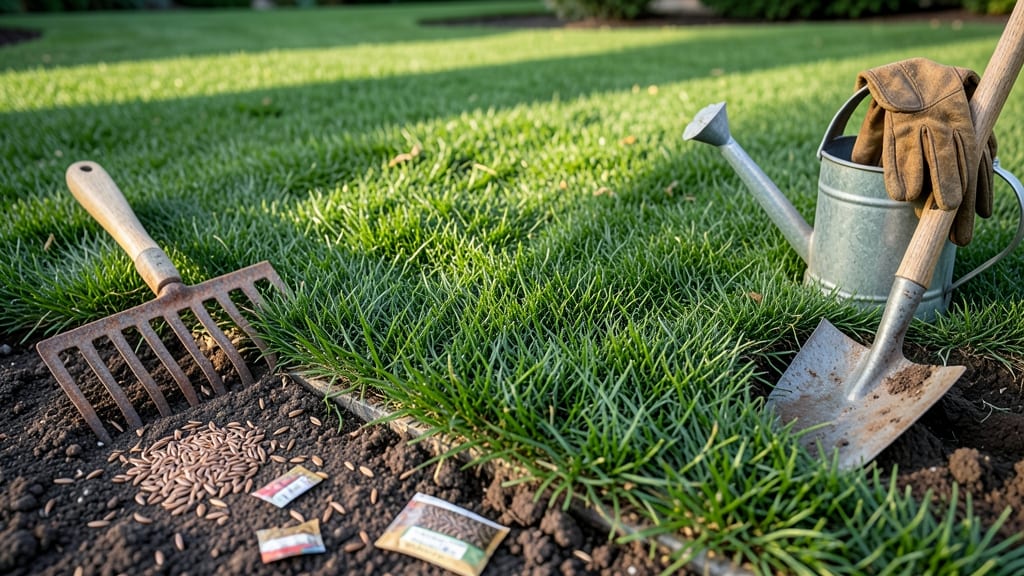
Planting Bermuda Grass seed at the wrong time in North Texas can mean battling weeds or watching your lawn struggle through the summer heat—so timing is everything.
The ideal window after last frost (around March 15) is late spring to early summer, when soil temperatures hit at least 65°F and stay warm enough for strong germination.
This fast-growing 🌱 thrives in USDA Zone 8a, but getting the timing right means avoiding late-season plantings that risk winterkill or weak growth. Whether you're in Dallas or Lubbock, the key is planting when the ground is warm and moisture is consistent—typically between April and June.
Why does this matter? Because Bermuda Grass needs 6+ hours of sun daily and deep watering to establish roots quickly. Plant too early, and fungal diseases may take hold; too late, and summer heat can stress seedlings before they take root.
I’ll walk you through the exact steps—from soil prep to post-planting care—to ensure your lawn stays lush and drought-resistant all season. Let’s get started.
North Texas Bermuda grass planting timeline: exact dates after last frost
Planting Bermuda grass seed in North Texas isn’t just about avoiding frost—it’s about catching the 30-day window when soil warms to 65°F+ and stays there.
This warm-season grass won’t germinate in cold soil, so timing your seed drop after the last frost date (typically March 15 in Dallas-Fort Worth) is critical. But here’s the catch: planting too early risks fungal diseases, while waiting too long may leave your lawn vulnerable to summer weeds.
For most of North Texas, the ideal planting window runs from mid-April to early June. However, regions like Lubbock (hotter, drier) can push this to late May, while Austin’s edge (cooler microclimates) may favor April planting.
The key is soil temperature, not just calendar dates—use a soil thermometer to confirm readiness.
Here’s the breakdown of your planting timeline, including regional adjustments and critical 30-day buffers for seedling establishment:
| Region | Last Frost Date | Optimal Planting Window | Soil Temp Requirement | Key Risk |
|---|---|---|---|---|
| Dallas-Fort Worth | March 15 | Mid-April to early June | 65°F+ (consistent) | Fungal growth (early) or weed competition (late) |
| Lubbock/Amarillo | March 1 | Late April to late May | 70°F+ (drier soil) | Heat stress if planted after June 1 |
| Austin/San Antonio | March 1 | Early April to mid-May | 60°F+ (cooler microclimates) | Slow germination if planted before soil warms |
| Wichita Falls | March 10 | Late April to early June | 65°F+ (variable humidity) | Weed pressure if delayed past June |
Pro tip: If you’re in a cooler microclimate (e.g., elevated areas or shaded yards), extend your buffer to 45 days after last frost. Use a black plastic mulch to warm soil faster if needed—this can shave off 10–14 days of waiting.
For late-summer planting (August), focus on northern North Texas (e.g., Denton or Gainesville), where soil stays warm longer. However, this method requires daily watering and fungicide pre-treatment to combat heat stress and disease. Most gardeners skip this window unless repairing small patches.
Remember: Bermuda grass seed needs consistent moisture for 30–45 days post-planting. If your area experiences drought in May/June (common in West Texas), prioritize early April planting and mulch heavily to retain moisture. A lightweight straw mulch (not hay—it can introduce weeds) works best.
Once your seedlings hit 2–3 inches tall, you can reduce watering frequency to every 2–3 days, but keep soil 1–2 inches deep moist. This deep-watering habit encourages deep root growth, which is critical for drought resistance—a must in North Texas summers.
For best results, aim to have your lawn fully established by July 4th. This gives the grass a 2-month head start before peak summer heat (when weeds like crabgrass go into overdrive). If you’re seeding in June, expect slower establishment and higher maintenance until fall rains arrive.
🌱
5 Critical factors that determine your perfect planting window
Timing your Bermuda grass seed planting isn’t just about avoiding frost—it’s about aligning with soil temperature, moisture availability, and day length. In North Texas, these five factors can make or break your lawn’s success. Let’s break them down so you can plant with confidence.
The soil temperature is the #1 factor. Bermuda grass seeds need 65°F soil to germinate properly. If you plant too early (before April 15 in most areas), cool soil slows growth and invites fungal diseases. Use a soil thermometer to check—wait until temperatures stay consistently warm.
Rainfall patterns matter just as much. North Texas summers bring erratic rain, so planting in late May or early June ensures steady moisture without over-saturation. If you’re in a drought-prone area like Lubbock, consider pre-watering the soil before seeding to give seedlings a head start.
Day length affects dormancy cycles. Bermuda grass grows aggressively when days are long (June-August), but planting in late summer risks heat stress. The sweet spot is April-May, when days are long enough to fuel growth but temperatures aren’t extreme.
Seed dormancy plays a sneaky role too. Some Bermuda grass varieties have dormant seeds that need warmth to break dormancy. Planting in cool March soil might leave seeds waiting weeks to sprout—wasting time and resources. Always check your seed packet for dormancy requirements.
Finally, local microclimates shift planting windows. Dallas’s urban heat island effect can warm soil faster than rural areas, while the Panhandle stays cooler longer. Adjust your timeline by 1-2 weeks if you’re in a cooler zone like Wichita Falls.
Soil Temperature
Rainfall Patterns
Day Length
Seed Dormancy
Microclimates
Pro tip: If you’re planting in late May, mulch lightly with straw to retain moisture during North Texas’s 90°F+ heat waves. This small step can double your seedling survival rate. Pay attention to these factors, and your Bermuda grass will establish strong roots before summer’s peak.
Remember, the goal is a thick, drought-resistant lawn—not just green grass. By aligning your planting with these five factors, you’ll skip the common pitfalls and enjoy a lawn that stays lush even when others wilt in the Texas heat. 🌱