
Plants
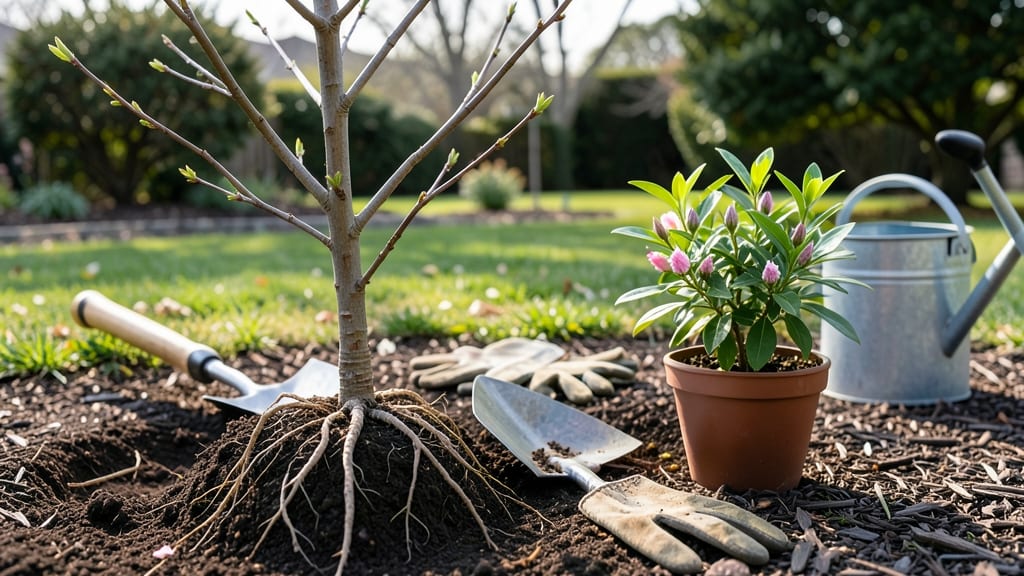
Planting your crape myrtle at the wrong time in Zone 9 could mean struggling to establish roots before summer heat hits—don’t let that happen to your 🌸! The secret to vibrant blooms starts with understanding the perfect window for planting in this warm climate.
In Zone 9, where frost is rare but summer temperatures soar, timing matters more than you might think. The ideal months to plant crape myrtle are late winter through early spring, giving roots time to settle before the heat ramps up.
This is especially critical in 9b, where even a slight delay can stress young plants.
Why does this matter? Because crape myrtles thrive when they can focus on root growth before putting energy into leaves and flowers. Plant too early, and frost might still linger; too late, and summer’s intensity could shock them.
I’ll show you exactly how to align your planting with nature’s rhythm for the best results.
Let’s dive into the specifics—so you can enjoy those stunning summer blooms without the guesswork. You’ll learn how to prep your soil, choose the right location, and avoid common mistakes that derail even the most eager gardeners.

Optimal planting months for crape myrtle in Zone 9
In Zone 9, the best time to plant crape myrtle is during the late winter to early spring, specifically between February and April. This timing aligns with the plant’s natural growth cycle and avoids the extreme heat of summer, which can stress newly planted trees.
The ideal window is after the last frost risk—typically around mid-March—when soil temperatures rise above 60°F.
Crape myrtles thrive when planted in cool but frost-free conditions, allowing roots to establish before summer’s intensity.
If you miss this window, fall planting (October-November) is a second option, though it requires extra care to protect roots from winter chill. Summer planting is risky in Zone 9 due to heat stress and water demands.
For container-grown crape myrtles, the window extends slightly later—up to May—since pots retain moisture better. However, prioritize planting before June to avoid the Zone 9 heatwave, which can cause transplant shock.
If you’re in a cooler microclimate (e.g., near coasts), you may plant as late as April without risk.
Soil temperature is your best guide: Use a soil thermometer to confirm 60°F+ before planting. In Zone 9b, this typically occurs by mid-March, but urban heat islands may push it to late February. Adjust for your specific location by checking local USDA frost data or microclimate maps.
Pro tip: Plant dwarf varieties (like 'Avalanche' or 'Tonto') slightly earlier than standard crape myrtles—they establish faster and tolerate cooler soils. For taller varieties (e.g., 'Muskogee'), wait until April to ensure robust root development before summer’s peak.
If you’re unsure about your local frost dates, use this rule of thumb: Plant when daytime highs consistently exceed 70°F and nights stay above 50°F. This balance ensures your crape myrtle starts growing without risking frost damage.
For urban gardeners, consider container planting in March to gain flexibility. Containers warm up faster in spring, giving you a 2-week head start on in-ground planting. Just ensure pots have drainage holes and use a well-draining soil mix to prevent root rot.
Finally, align planting with your local rainfall patterns. In Zone 9, March-April often brings sporadic showers—ideal for root establishment without overwatering. If drought is forecast, plan to water deeply 2-3x/week for the first month post-planting.
Remember: A well-timed crape myrtle in Zone 9 rewards you with vibrant blooms by summer and minimal stress. Avoid rushing—patience in planting pays off in years of stunning foliage! 🌸
Optimal planting months for crape myrtle in Zone 9
In Zone 9, where winters are mild and summers scorching, timing your crape myrtle planting is critical for survival and vibrant blooms. The ideal window stretches from late February through early April, aligning with soil warming and reduced frost risk.
Planting in March or April gives roots time to establish before summer heat arrives, while February works in microclimates with early warming. Avoid summer planting—the intense Zone 9 heat stresses young roots and reduces transplant success.
🌱
| Month | Soil Temp (°F) | Planting Window | Notes |
|---|---|---|---|
| February | 55-65°F | Early (microclimates) | Best for coastal areas with early warming |
| March | 60-70°F | Ideal | Balances root growth and summer prep |
| April | 65-75°F | Late (safe) | Good for inland areas with delayed warming |
| ⚠️ Avoid May-July – High heat stress for young plants | |||
For container planting, extend your window slightly into May since pots retain moisture better, but always monitor soil moisture—Zone 9 heat dries containers quickly. Dwarf varieties like 'Arapaho' adapt better to later planting than towering 'Muskogee' types.
Check your local last frost date (typically mid-January in Zone 9) and plant 4-6 weeks after for optimal root establishment. In urban heat islands, soil warms faster—adjust by planting 1-2 weeks earlier than rural areas.
🌡️