
Plants
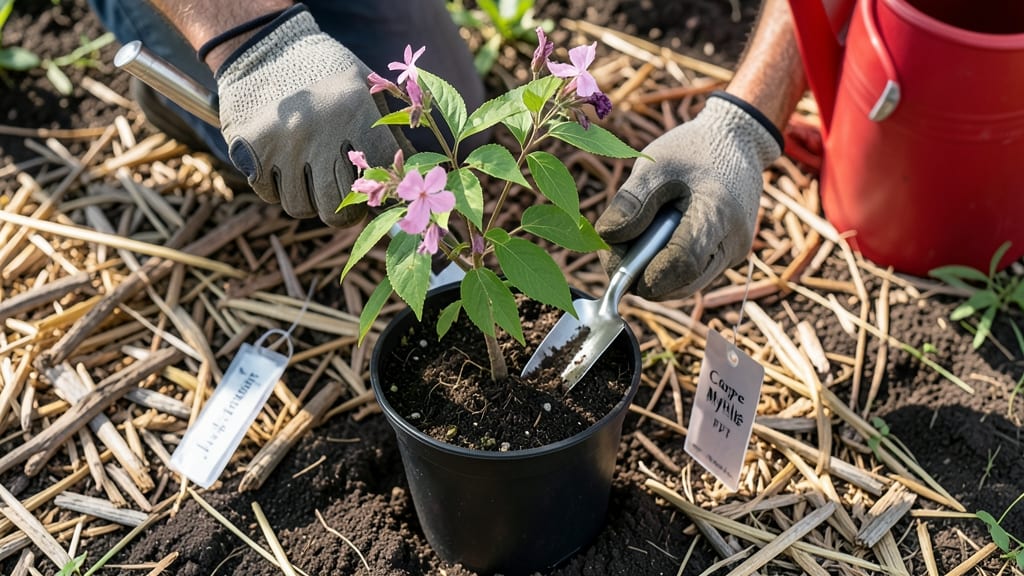
Knowing when to plant crepe myrtles in Oklahoma can make all the difference between a stunning 🌸 tree that thrives for decades and one that barely survives your state’s unpredictable weather.
With Oklahoma’s 6b-7a climate, timing isn’t just about seasons—it’s about avoiding late frosts, giving roots time to establish before summer’s brutal heat, and choosing the right window for maximum survival.
Most gardeners in Oklahoma swear by planting in late winter to early spring (March-April) or fall (September-October), but getting it wrong can leave your crepe myrtle struggling.
The key is planting after the last frost date—typically around mid-March—when soil temperatures rise above 60°F to encourage strong root growth before summer arrives.
If you’re planting in fall, aim for September or early October to give roots time to settle before winter dormancy. This is especially critical in Oklahoma, where sudden cold snaps can catch young trees off guard.
Whether you choose spring or fall, proper timing ensures your crepe myrtle gets the best start possible.
Ready to plant? I’ll walk you through the exact steps to prepare your soil, pick the perfect spot, and avoid common mistakes that trip up even experienced gardeners. Let’s get your crepe myrtle off to the right start!
Best months to plant crepe myrtles in Oklahoma for maximum survival rates
Oklahoma’s USDA Zones 6b-7a create a unique challenge for planting crepe myrtles—timing must balance soil warmth and frost risks. The ideal window spans late winter to early spring (March-April) or fall (September-October), when temperatures stabilize and roots can establish before extreme heat or cold.
In Oklahoma City, average last frost dates fall around March 15, while Tulsa’s slightly later at March 22.
Spring planting offers 6-8 weeks of growing season before summer heat, but requires soil temperatures above 60°F—critical for root growth. Fall planting, however, provides cooler soil and reduced transplant shock before winter dormancy.
Both windows avoid Oklahoma’s unpredictable late frosts, which can kill young trees if planted too early.
🌱
| Planting Window | Soil Temp | Oklahoma City | Tulsa | Key Consideration |
|---|---|---|---|---|
| Late Winter (Feb) | 45-55°F | Risk of frost | Risk of frost | Avoid—roots won’t establish |
| Early Spring (Mar-Apr) | 60-70°F | After last frost | After last frost | Optimal for root growth |
| Fall (Sep-Oct) | 55-65°F | Before first frost | Before first frost | Best for drought tolerance |
| Late Fall (Nov) | Below 50°F | Frost likely | Frost likely | Risk of winter kill |
For spring planting, aim for March-April when soil temperatures consistently stay above 60°F. Use a soil thermometer to confirm—Oklahoma’s clay soils can stay cold longer. In fall, plant by mid-October to allow 6-8 weeks of root growth before winter.
Areas like Lawton or Altus (Zone 7a) can extend fall planting slightly later due to milder winters.
Microclimates matter: Northern Oklahoma (e.g., Oklahoma City) has earlier frosts than southeastern Oklahoma (e.g., Tulsa). Check local frost-free dates—delay planting in Zone 6b areas by 1-2 weeks compared to Zone 7a. Always monitor weekly weather forecasts for late-season temperature drops.
Crepe myrtles planted in August can survive but face summer stress—prioritize deep watering and shade cloth if temperatures exceed 95°F. Avoid July planting entirely; the heat accelerates transplant shock and fungal diseases.
If you must plant in summer, choose dwarf varieties like 'Arapaho' or 'Tonto', which handle heat better.
Pro tip: Container-grown crepe myrtles establish 2-3 weeks faster than bare-root plants. For Oklahoma’s clay-heavy soils, amend planting holes with compost and sand to improve drainage—a critical factor during spring rains or summer droughts. Always water deeply after planting to eliminate air pockets in the root zone.
🌿
Remember, Oklahoma’s erratic weather means flexibility is key. If unseasonable cold hits in April, delay planting until mid-May. Conversely, if fall stays warm, you can plant into early November—just ensure 6 weeks of growth remain before winter.
Always mulch heavily (3-4 inches) to protect roots from temperature swings.
For maximum survival rates, align planting with Oklahoma’s rainfall patterns: spring showers help establish roots, while fall’s cooler temps reduce watering needs. Never plant during Oklahoma’s "red flag" heat waves (June-August)—the stress can kill young trees in 2-3 weeks.
Best months to plant crepe myrtles in Oklahoma for maximum survival rates
Oklahoma’s USDA Zones 6b-7a create a unique challenge for planting crepe myrtles—timing must align with soil warmth and frost-free windows. The ideal planting window spans late winter to early spring (March-April) or early fall (September-October), when temperatures stabilize and roots can establish before extreme heat or cold.
Spring planting gives crepe myrtles a 6-8 week head start before summer’s intense heat, while fall planting allows roots to settle before winter dormancy.
In Oklahoma City, aim for after March 15 (average last frost date), but adjust 1-2 weeks later in rural areas with colder microclimates like Altus or Woodward.
| Planting Window | Soil Temp Requirement | Oklahoma City Date | Key Consideration |
|---|---|---|---|
| Late Winter | 50-55°F | February 15-March 1 | Risk of late frost; protect young trees |
| Early Spring | 60°F+ | March 15-April 15 | Optimal for root growth before summer |
| Fall | 60°F+ | September 1-October 15 | Avoid planting after October 31 |
For fall planting, prioritize September-October to allow roots to establish before November’s first frost. Tulsa’s slightly warmer microclimate extends this window to mid-November, but avoid planting after October 31 in northern Oklahoma regions like Enid or Ponca City, where cold snaps arrive earlier.
Crepe myrtles planted in summer (June-August) face heat stress and transplant shock, with survival rates dropping below 50%. If you must plant during summer, container-grown trees with established root balls handle heat better than bare-root stock.
Always check local frost dates via the National Weather Service or Oklahoma State University Extension—a late frost after planting can kill young shoots before roots develop. For container-grown trees, harden off plants 2 weeks before transplanting to reduce shock.
Pro tip: Mulch heavily (3-4 inches) after planting to retain moisture and regulate soil temperature, especially in Oklahoma’s clay-heavy soils that dry out quickly in spring and bake in summer. Use wood chips or straw, keeping mulch 6 inches away from the trunk to prevent rot.