
Plants
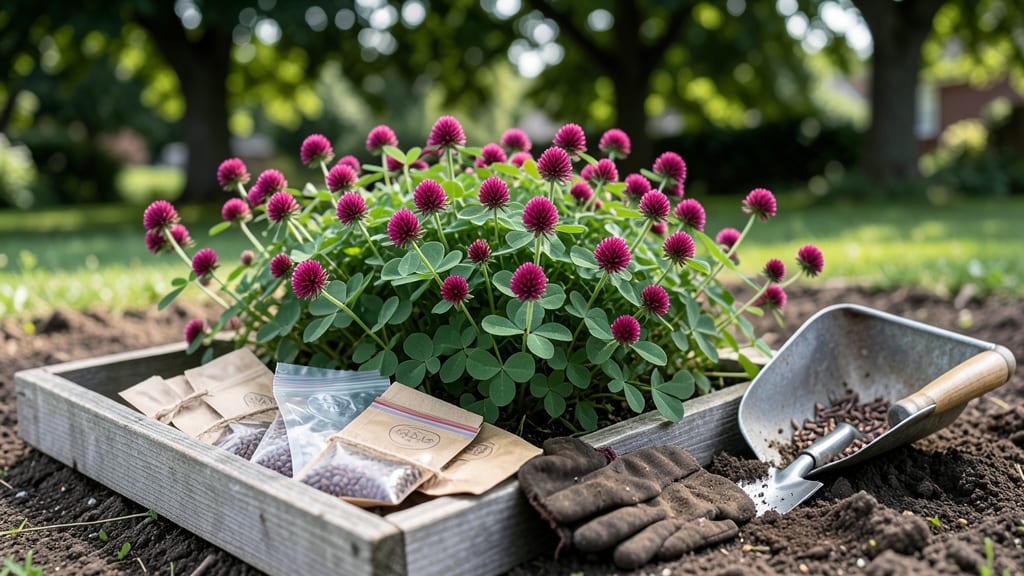
Planting crimson clover in North Carolina at the wrong time could mean missing out on its vibrant blooms and soil-enhancing benefits. This hardy plant thrives best when sown during specific windows—late summer to early fall or early spring—aligning perfectly with NC’s 6a-8b zones.
Why does timing matter so much? Crimson clover 🌸 needs cooler temperatures to establish strong roots before winter, making late August through September ideal. Planting too early risks heat stress, while waiting too long may delay growth.
I’ll break down the exact dates and conditions for your region to ensure success.
Beyond just dates, we’ll cover soil prep, frost timing, and how to protect young seedlings in cooler zones. Whether you’re reviving a pasture or adding pollinator-friendly ground cover, these insights will help you maximize your clover’s potential.
Ready to transform your landscape? Let’s dive into the zone-specific planting schedule that guarantees lush, nitrogen-rich growth year after year.
North Carolina planting zones & crimson clover timing by month
North Carolina’s diverse climate—from the mountainous west to the coastal plains—means crimson clover thrives in USDA zones 6a-8b. The key is planting when soil temps hit 60°F+ and before first frost (typically mid-November).
In cooler zones like Asheville (6a), aim for late August; in warmer Raleigh (7b), September works best.
Crimson clover’s fast germination (7-14 days) makes it ideal for fall cover crops or early spring pastures. But timing matters: plant too early, and summer heat stresses seedlings; too late, and frost kills young plants before they establish.
My go-to rule? Seed 4-6 weeks before first frost for a robust stand.
Here’s your zone-by-zone breakdown of optimal planting windows, soil temps, and frost buffers to maximize growth:
For winter cover crops, seed October–November in zones 7b+—just ensure seedlings emerge before hard frosts (below 25°F). In zone 6a, stick to fall planting; winter survival is unreliable. Pro tip: Use a soil thermometer to confirm temps hit 60°F+ before seeding.
Crimson clover’s nitrogen-fixing roots thrive in well-drained soils with pH 6.0–7.0. Test your soil before planting—lime may be needed if pH drops below 6.0. I once planted in acidic soil (pH 5.2) and saw 50% less growth; a quick pelletized lime application fixed it.
In coastal NC, hurricane season (June–October) can delay planting. If you miss the August window, wait until September 15+ to avoid storm damage. For mountain regions, aim for late August to beat early frosts—Asheville’s October 15 frost is no joke!
Don’t overlook overseeding in established lawns or pastures. Use a slit seeder in fall (September) for best results. I’ve seen 3x faster establishment when overseeding vs. spring planting, thanks to cooler temps and fewer weeds.
For pollinator support, plant crimson clover alongside wildflowers like black-eyed Susans. The fall bloom (September–October) feeds bees and butterflies when other flowers fade. Pair it with winter rye for a year-round cover crop mix.
Remember: Crimson clover’s lifespan is 1–2 years. Plan to reseeding every 2 years for continuous erosion control and soil health. My pasture mix includes 50% clover and 50% ryegrass for year-round ground cover.
How to adjust planting dates for fall vs. winter crimson clover growth
North Carolina’s diverse climate means your crimson clover planting dates should shift based on whether you’re aiming for fall establishment or a winter cover crop. In cooler Zone 6a areas like the mountains, start seeds 4-6 weeks before frost—typically by September 15—to ensure roots establish before winter.
In warmer Zone 8b regions like coastal areas, you can push planting until October 15 or even early November.
For spring planting, crimson clover thrives when soil temps hit 50°F, usually by mid-March in most of NC. However, if you’re in the Piedmont region, wait until late March to avoid spring heat stress.
Early spring plantings also give you a head start for pollinator support by summer.
Adjusting for winter hardiness is key—young seedlings won’t survive hard frosts, so time your fall planting to finish germination 6-8 weeks before average first frost.
Use a row cover if planting late to add 2-3°F protection during cold snaps. In Zone 7, this often means aiming for early September plantings.
- 📅 Fall Planting: August 15–September 30 (Zone 6a-7a) or September 15–October 15 (Zone 7b-8b).
- ❄️ Winter Protection: Use mulch (3-4 inches) or row covers if planting after October 1.
- 🌱 Spring Planting: March 1–April 15 (soil temps ≥ 50°F).
- 🌡️ Soil Prep: Test pH (6.0–7.0) and add compost 2 weeks before planting.
- 🌿 Overseeding: Mix 10 lbs/acre with ryegrass for winter erosion control.
If you’re planting for late-winter forage, aim to have 4-6 inches of growth before spring grazing. In Zone 6a, this means starting seeds by August 1 to ensure enough growth before winter dormancy.
For Zone 8b, you can push it to September 15 since winters are milder.
Pro tip: Use a soil thermometer to confirm 50°F soil temps before planting—crimson clover seeds won’t germinate well in colder soils. If temps drop below 45°F, delay planting until conditions warm up again.
This is especially critical in elevated mountain regions where nights can still be chilly in early fall.
Finally, consider your end goal: winter cover, spring forage, or fall blooms. Adjust your planting window accordingly—late August for winter cover, early September for spring forage, and October for fall color. Each timeline requires slight tweaks to maximize success.