
Plants
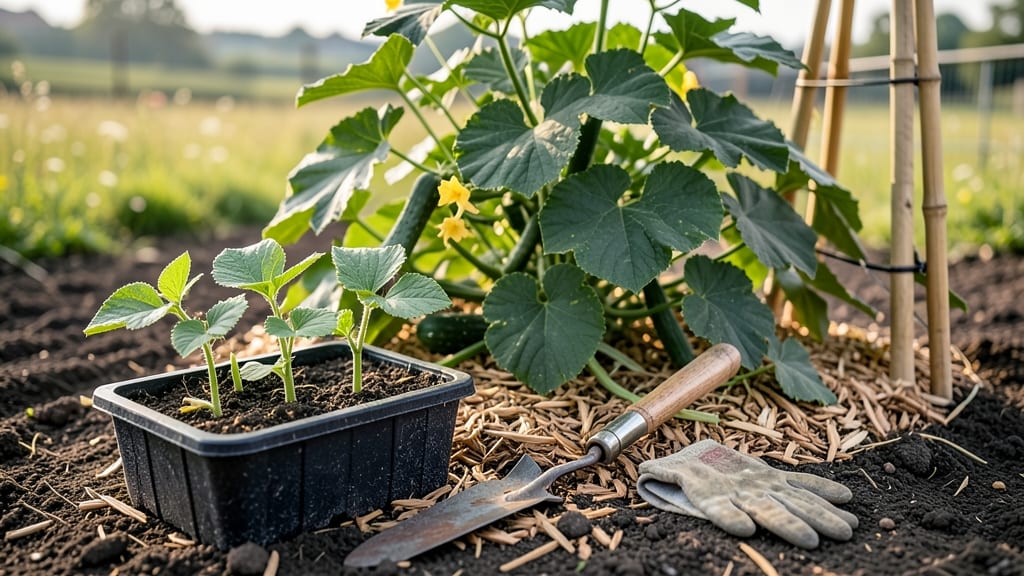
If you're dreaming of fresh, homegrown cucumbers from your NC garden, when to plant cucumber seeds in NC is the key to avoiding bitter vines and wasted effort.
North Carolina's Zones 7b-8a offer a perfect climate for cucumbers, but those unpredictable spring frosts can throw off even the most eager gardeners.
Planting too early means risking frost damage, while waiting too long could leave you scrambling to find space in your garden. The sweet spot? Starting cucumber seeds when soil temperatures consistently reach 60°F—usually 2-4 weeks after your last frost date in most of NC.
Whether you're a first-time gardener or a seasoned grower, I'll walk you through the exact timing for your region, plus pro tips to extend your harvest. Let's make sure your cucumbers thrive from seed to table.
From Raleigh's early springs to Asheville's cooler mountain air, we'll cover how microclimates affect your planting schedule. Ready to grow cucumbers like a local? Let's get started.
NC frost-free dates for cucumber seed planting by Zone 7b-8a
North Carolina’s frost-free dates are your golden ticket for cucumber seed success. In Zone 7b (Raleigh, Durham), the average last frost falls between March 15–April 1, while Zone 8a (Charlotte, Asheville) sees frost-free conditions by February 28–March 15.
But don’t rely on averages—soil temperature matters more than air temperature!
Cucumbers thrive when soil reaches 60°F or warmer. Use a soil thermometer to confirm readiness, especially in higher-elevation areas like the Blue Ridge Mountains, where cold air lingers longer. In lowland zones, like the coastal plains, you can plant 2–3 weeks earlier than the average frost date.
Here’s the breakdown for NC’s most common cucumber-growing regions, based on NC State Extension data and 2024 historical trends. Adjust for your microclimate—sheltered spots warm up faster, while valleys stay colder longer.
| Region | Zone | Avg Last Frost | Soil Warmth Goal | Best Planting Window |
|---|---|---|---|---|
| Raleigh/Durham | 7b | March 15–April 1 | 60°F+ | April 15–May 1 |
| Charlotte | 8a | February 28–March 15 | 60°F+ | March 20–April 10 |
| Asheville | 7b | March 20–April 5 | 60°F+ | April 10–May 1 |
| Coastal Plains (Wilmington) | 8a | February 15–March 1 | 60°F+ | March 1–March 15 |
For direct sowing (planting seeds straight into the garden), wait until after the last frost and when soil is consistently warm. If you’re starting indoors, begin seeds 4–6 weeks before your region’s last frost date. Use biodegradable pots to avoid transplant shock when moving seedlings outdoors.
Pro tip: Black plastic mulch can warm soil by 5–10°F, letting you plant 1–2 weeks earlier in cooler zones. Lay it down 1–2 weeks before planting to maximize heat absorption. Pair this with row covers for extra frost protection if needed.
Always monitor local weather forecasts and NC State Climate Office updates. A late frost in April can wipe out young seedlings overnight—so have a backup plan like row covers or a greenhouse ready.
Timing your planting around full moon phases can also boost germination rates, according to lunar gardening principles.
Remember: Cucumbers grow fastest in warm soil, so don’t rush planting. A slow start in cold soil leads to bitter fruit and weak vines. Patience pays off with sweet, crisp cucumbers all summer long!
How to extend the cucumber growing season in NC’s unpredictable climate
North Carolina’s unpredictable frost dates and summer heatwaves can sabotage cucumber harvests. But with the right strategies, you can extend your growing season by weeks—or even months! The key is combining cold protection, succession planting, and heat-tolerant varieties.
Start by choosing cold-hardy cucumber varieties like 'Straight Eight' or 'Southern Sweet'. These varieties thrive in warmer soils and can handle brief late-spring frosts better than standard types. Pair them with row covers or black plastic mulch to warm the soil faster in spring.
For late-season protection, use floating row covers or cold frames to shield young plants from fall frosts. Remove covers during the day to prevent overheating, but leave them on nights when temperatures dip below 50°F.
This trick can push your harvest into early October in most of NC.
- Warm Soil Faster
- Succession Planting
- Beat the Heat
- Fall Protection
Don’t forget to monitor soil moisture during heatwaves—cucumbers need 1-2 inches of water weekly. Mulch with straw or grass clippings to retain moisture and keep roots cool. With these tactics, you’ll enjoy homegrown cucumbers from May through October—or even later!
Pro tip: Keep a planting journal to track what works in your microclimate. Note which varieties thrive in your specific NC region (mountains vs. Piedmont vs. coast) and adjust your schedule yearly based on frost trends. 🌱