
Plants
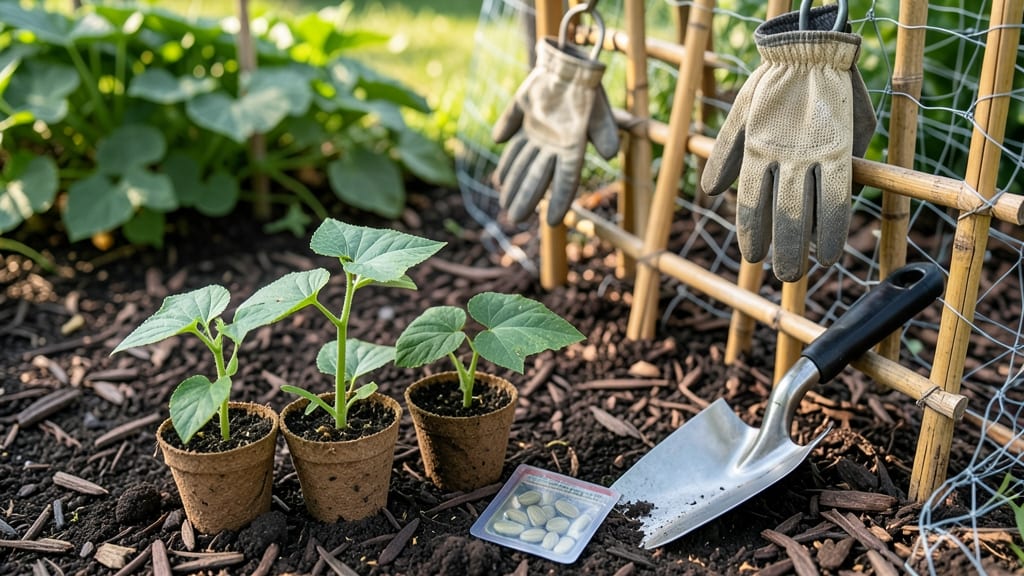
Timing your 🥒 cucumber planting in Houston isn’t just about throwing seeds in the dirt—it’s the difference between a bountiful harvest and a sad, bolted mess. With Houston’s USDA Zone 9a climate, you’ve got just a 3-4 week window before the heat turns your plants into sad, flower-covered sticks.
Most gardeners here make one of two mistakes: planting too early and risking frost damage, or waiting too long and watching their cucumbers bolt before they even form. The key is knowing when soil temps hit 60°F—usually right around mid-February—and having heat-tolerant varieties like ‘Straight Eight’ ready to go.
But here’s the real secret: Houston’s unpredictable spring rains mean you’ve got to be ready to adjust. Whether you’re starting seeds indoors or transplanting seedlings, we’ll break down the exact weeks to plant for zero bolting—plus how to handle those sudden downpours that turn your garden into a swamp.
Let’s get you growing cucumbers the right way, so you’re harvesting crisp, homegrown 🥒 all spring and fall instead of pulling out frustrated weeds. Ready to set your garden up for success?
Houston’s last frost date and exact planting timeline for cucumbers
Houston’s USDA Zone 8b/9a climate means cucumbers thrive when planted at the perfect moment—just 3-4 weeks before the last frost. The average last frost date for Houston is around January 15, but soil temperature is the real game-changer.
Cucumbers need soil that’s at least 60°F to germinate properly, which typically aligns with mid-February to early March in Houston.
Planting too early risks cold soil, which slows germination and invites rot. Conversely, planting too late exposes seedlings to heat stress or bolting (premature flowering). My trick? Start seeds indoors 4-6 weeks before transplanting to give them a head start.
This way, you’re ready to move them outside by late February or early March, just as the soil warms up.
For Houston gardeners, the ideal planting window is February 15–March 15. This schedule ensures your cucumbers mature before the summer heat peaks (which can stress plants) and gives you a harvest by late April or May.
Varieties like ‘Straight Eight’ and ‘Armenian’ are my top picks—they handle Houston’s heat better than others.
If you’re transplanting seedlings instead of direct-sowing, harden them off for 7-10 days before moving them outside. This means gradually exposing them to Houston’s humidity and sun to prevent shock. I like to start hardening off in late February so seedlings are ready by early March.
| Stage | Action | Houston Timeline |
|---|---|---|
| Start Seeds Indoors | Use seed trays, 1/2" deep | January 15–February 1 |
| Hardening Off | Gradually expose to outdoor conditions | February 15–28 |
| Transplant Seedlings | After last frost, soil 60°F+ | March 1–15 |
| Direct Sow Outdoors | Plant seeds 1" deep, 2–3 ft apart | March 15–April 1 |
| Harvest Begins | Pick every 2–3 days to encourage growth | Late April–May |
Pro tip: Use a soil thermometer to confirm soil temps. If it’s below 60°F, wait—cold soil delays germination and can lead to weak seedlings. In Houston, this is especially critical in early March, when temperatures can still dip unpredictably.
For bush varieties like ‘Bush Champion,’ space plants 12–18 inches apart. For vining types like ‘Straight Eight,’ allow 3–4 feet and provide a trellis. Vining cucumbers grow 6–10 feet tall, so trellises save space and improve air circulation (critical in Houston’s humidity).
After transplanting, mulch with straw or shredded leaves to retain moisture and regulate soil temperature. Houston’s humidity and heat can dry out soil quickly, so mulching keeps roots cool and hydrated. I also add a balanced fertilizer (5-10-10) at planting time to give seedlings a nutrient boost.
Finally, watch for bolting—when cucumbers flower prematurely due to heat or stress. If your seedlings bolt in late March or early April, provide afternoon shade with a lightweight shade cloth (30–50% shade). This buys you time to cool the soil and delay flowering until plants are stronger.
With this timeline, you’ll avoid the two biggest pitfalls in Houston: cold soil and summer heat stress. Your cucumbers will thrive, and you’ll enjoy a bountiful harvest just in time for summer salads! 🥒
How to adjust planting for Houston’s unpredictable spring rains and heat spikes
Houston’s spring weather is a double-edged sword for cucumber gardeners. One day you’re battling flash floods, the next you’re sweltering under 90°F heat. These extremes force cucumbers to bolt prematurely or drown in soggy soil.
The key? Adaptive planting strategies that keep your plants happy despite Mother Nature’s mood swings.
Start by elevating your beds—raised beds or mounds improve drainage and prevent waterlogged roots. Houston’s clay soil can turn into concrete after rain, so amend it with compost and perlite to create a looser, faster-draining mix.
This small tweak can save your seedlings from rotting before they even sprout.
🌧️ Houston Spring Risks & Fixes
- Risk: Heavy rains → Waterlogged soil → Root rot
- Fix: Use raised beds or container growing for better drainage
- Risk: Sudden heat spikes → Bolting → Bitter cucumbers
- Fix: Shade cloth (30-50%) for seedlings until soil warms
- Risk: Humidity → Powdery mildew → Leaf loss
- Fix: Space plants 2-3 ft apart for airflow + neem oil spray
Pro tip: Stagger plantings every 2 weeks to extend harvest through spring’s unpredictable swings.
For seedlings, shade cloth is your best friend during Houston’s March heat spikes. Even if daytime temps are mild, soil can stay cool at night. Use 30-50% shade cloth until soil reaches 65°F+ consistently.
This protects delicate seedlings while letting them harden off gradually—critical when Houston’s weather shifts from 60°F mornings to 85°F afternoons in a single week.
Another Houston-specific trick? Staggered planting. Instead of dropping all your seeds at once, plant half in late February and the rest 2 weeks later. This ensures you’ll have continuous harvests even if one batch gets hit by a late frost or heatwave.
Think of it as insurance against Houston’s unpredictable spring.
Don’t forget mulching—a 2-3 inch layer of straw or wood chips keeps soil temps stable and reduces evaporation. In Houston’s humidity, mulch also prevents fungal diseases by keeping leaves dry. Just avoid piling it against stems to prevent rot.
Finally, watch for powdery mildew, Houston’s #1 cucumber enemy. The city’s high humidity creates the perfect breeding ground. Neem oil or baking soda spray (1 tbsp per gallon of water) applied weekly can stop outbreaks before they spread.
And if you see yellowing leaves, act fast—Houston’s heat and humidity turn mildew into a garden nightmare in days.