
Plants
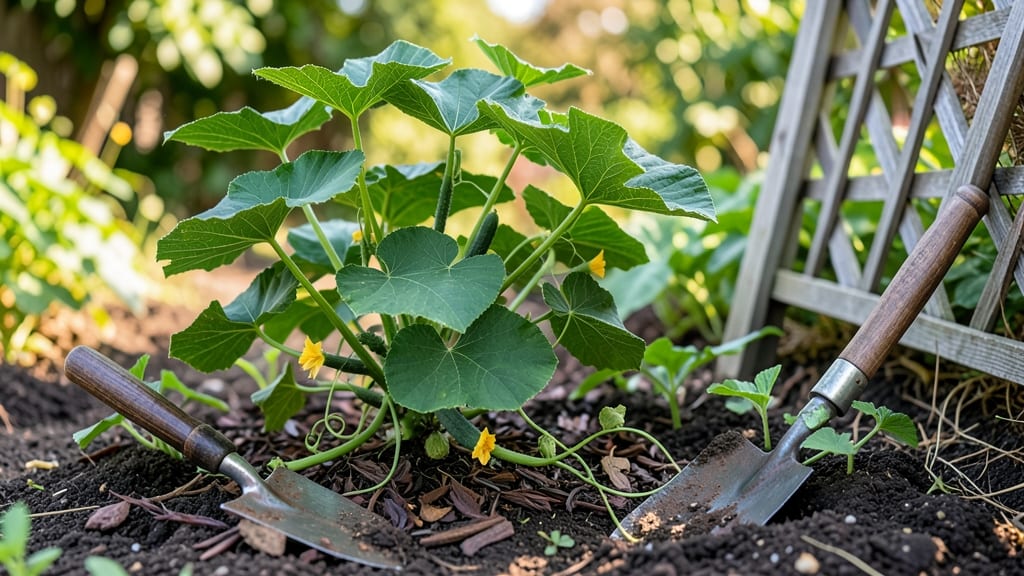
Timing your cucumber planting in Zone 8b can mean the difference between a bountiful harvest and wasted effort. Those tender 🥒 vines need warmth, and planting too soon risks frost damage, while waiting too long cuts your growing season short.
In Zone 8b, where last frosts typically linger around mid-January, the sweet spot for planting cucumbers opens in late February or March—once soil temperatures hit a steady 60°F. This gives your plants enough time to mature before summer heat peaks, ensuring crisp, flavorful cucumbers from May through October.
But here’s the catch: not all cucumbers thrive on the same schedule. Some varieties play better with cooler springs, while others demand the full heat of summer.
I’ll break down the exact planting windows, whether to start seeds indoors or sow directly, and how to stretch your harvest into fall for a continuous supply.
Skip the guesswork—let’s get your cucumbers in the ground at the perfect moment for Zone 8b’s unique climate. Ready to turn your garden into a 🥒 powerhouse?

Zone 8b cucumber planting calendar: exact dates for frost-free success
Timing your cucumber planting in Zone 8b is all about beating the last frost while ensuring warm soil temperatures. Your last average frost date typically falls around January 15, but microclimates can shift this by 2-4 weeks.
For frost-free success, aim to plant cucumbers 2-4 weeks after your last frost, usually between late February and early April.
Cucumbers thrive when soil temperatures reach 60°F (15°C)—any cooler, and germination slows dramatically. In Zone 8b, this often aligns with mid-March to early April, but cooler springs may push you into late April. Use a soil thermometer to confirm readiness before sowing.
Here’s your Zone 8b cucumber planting timeline broken down by method, including soil prep and variety considerations:
| Stage | Action | Zone 8b Timeline | Notes |
|---|---|---|---|
| Soil Prep | Test pH (6.0-6.8), amend with compost | January-February | Add black plastic mulch 1-2 weeks before planting to warm soil faster. |
| Direct Sow | Plant seeds 1" deep, 2-3 seeds per hill | Late February–Early April | Wait until soil is 60°F+ and all frost risk has passed. |
| Transplant | Move 2-3 week old seedlings (harden off first) | Mid-March–Late April | Best for bush varieties or if starting indoors. |
| Succession Plant | Sow every 2 weeks for extended harvest | April–June | Stagger plantings to avoid overlapping harvests. |
| Harvest Window | Pick cucumbers every 2-3 days | May–October | Harvest before seeds turn yellow for best flavor. |
For Zone 8b gardeners, late February is ideal for direct sowing heat-loving varieties like 'Straight Eight' or 'Lemon Cucumber'. If you’re transplanting, start seeds indoors in early February under grow lights to give them a head start.
Remember: cucumbers hate cold soil, so rushing can lead to rot or poor germination.
Pro tip: Use row covers if planting in early March to protect seedlings from unexpected late frosts. Remove covers once plants are established (4-6 true leaves). This buys you 2-3 extra weeks of planting flexibility in cooler springs.
In Zone 8b, you can also push your harvest into late fall by planting heat-tolerant varieties like 'Southern Sweet 100' in July. These cucumbers thrive in 90°F+ heat and can produce until the first frost in mid-November. Just ensure they have consistent water and trellis support.
Always monitor your local frost forecast—apps like Old Farmer’s Almanac or NOAA provide hyper-localized data. In Zone 8b, a 30°F night can kill cucumber plants overnight, so plan accordingly. If you’re unsure, err on the side of planting later rather than risking frost damage.
Finally, soil temperature is your best friend. A $10 soil thermometer is worth its weight in gold—wait for consistent 60°F+ readings before sowing. In Zone 8b, this often means waiting until April in cooler microclimates like valleys, while coastal areas may be ready by mid-March.
How to extend your cucumber growing season in Zone 8b
Zone 8b’s warm winters and long summers give you a unique advantage for growing cucumbers year-round—but only if you use the right strategies. With 240 frost-free days, you can push harvests earlier in spring or later into fall.
Here’s how to maximize your growing window without risking frost damage or heat stress.
Start by choosing heat-tolerant varieties like ‘Straight Eight’ or ‘Lemon Cucumber’—these thrive in Zone 8b’s summer heat (up to 95°F+). For fall plantings, opt for disease-resistant types such as ‘Marketmore’ or ‘Poona Kheera,’ which handle cooler nights better than standard varieties.
🌱
- Succession Planting: Sow seeds every 2-3 weeks from February to June. This ensures a continuous harvest through October.
- Row Covers: Use lightweight floating row covers to protect seedlings from late-spring frosts (after your last frost date). Remove when flowers appear to allow pollination.
- Cold Frames: Build a simple low tunnel or cold frame to extend fall harvests. Cucumbers can tolerate 50°F nights with protection, pushing harvests into November.
- Black Plastic Mulch: Lay black plastic mulch 4-6 weeks before planting to warm soil faster in spring. This speeds up germination and growth by 10-15 days.
- Drip Irrigation: Install drip lines to maintain consistent moisture during heatwaves. Avoid overhead watering, which spreads fungal diseases like powdery mildew.
For early spring plantings, start seeds indoors 6-8 weeks before your last frost date (around January 15 in Zone 8b). Use grow lights to provide 12-14 hours of light daily until seedlings are ready for transplanting. Harden them off for 7-10 days before moving outdoors.
In late summer, watch for heat stress signs like yellowing leaves or blossom drop. Provide afternoon shade cloth (30-50% shade) if temperatures exceed 90°F for extended periods. Mulch heavily with straw or wood chips to keep roots cool and retain moisture.
🌿
Don’t forget to harvest regularly—picking cucumbers every 2-3 days encourages more production. In Zone 8b, you can even try a mini-winter harvest by planting heat-tolerant varieties in a greenhouse or high tunnel during mild winters.
Just be prepared to reduce watering and monitor for pests like aphids, which thrive in warmer indoor conditions.