
Plants
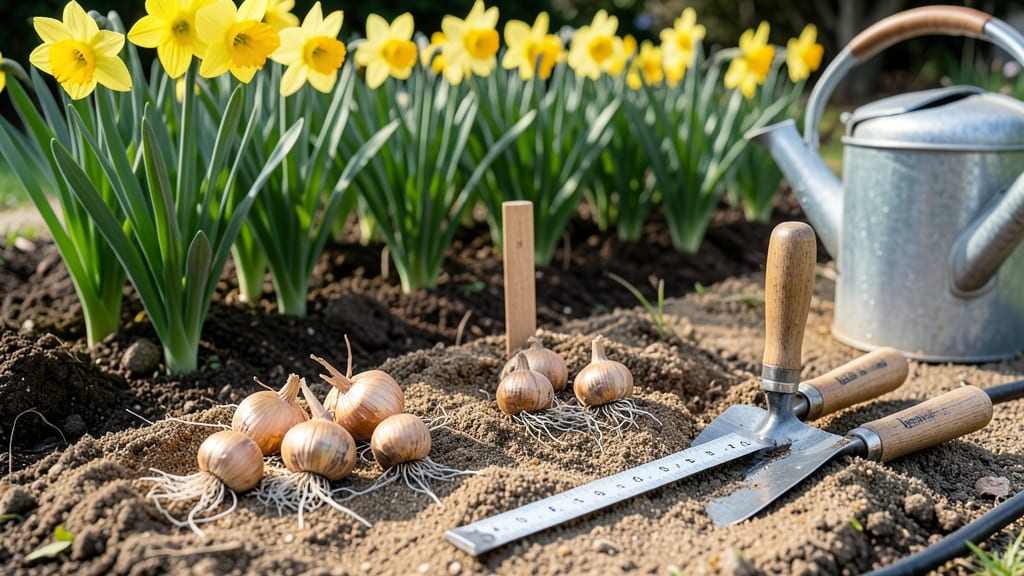
Planting daffodil bulbs in Texas at the wrong time can mean the difference between a garden full of cheerful 🌼 blooms and a wasted investment. The key isn’t just picking a month—it’s understanding how your region’s unique climate affects when those bulbs should hit the soil.
Texas gardeners face a tricky balance: plant too early in the heat, and your bulbs will rot before winter. Wait too long, and they won’t establish roots before the first frost.
But with the right timing—typically between October and December—you can outsmart Texas’s unpredictable weather and guarantee those vibrant spring displays.
What makes this even trickier? The state’s diverse zones—from 8a in the Panhandle to 10b in the Rio Grande Valley—each demand slightly different strategies.
I’ll break down exactly when to plant in your corner of Texas, so you can skip the guesswork and get those bulbs in the ground at the perfect moment.
Ready to turn your yard into a daffodil paradise? Let’s dive into the science behind Texas’s ideal planting windows and how to adjust for your specific microclimate.
Texas daffodil planting calendar: best fall months by region
Texas gardeners face a unique challenge with daffodil bulbs—the heat of summer and variable frost dates across regions demand precise timing. Unlike cooler climates, Texas bulbs must establish roots before soil temperatures drop but avoid the scorching September heat.
The key? Planting in October–December for most areas, with adjustments for North Texas's colder winters and South Texas's milder climate.
Your USDA zone and local frost data are your best guides. North Texas (Zones 7b–8a) typically sees its first frost around December 1, while South Texas (Zones 8b–10a) may not frost until January or never.
Central Texas (Zones 8a–9a) falls in between, with frost risks in late November to December. Always check your local agricultural extension for the most accurate frost dates.
Soil temperature is just as critical as air temperature. Daffodil bulbs need soil that's below 60°F (15°C) to trigger dormancy but not yet frozen. In Texas, this usually aligns with late October to early November for most regions.
Use a soil thermometer to confirm—plant when temps hover around 50–60°F (10–15°C).
Here’s how to align your planting with Texas’s regional quirks, ensuring your daffodils bloom without surprise freezes or summer rot.
Microclimates can shift your ideal window by 2–4 weeks. For example, elevated areas in Hill Country (like Fredericksburg) may frost earlier than Austin, while urban heat islands (like Houston) can delay frost. Always adjust for your specific yard—shady spots or windy areas may need earlier planting.
Pro tip: If your fall is unusually warm (like the 2023 heatwave), delay planting until soil temps drop naturally. Use shade cloth over newly planted bulbs if daytime temps stay above 75°F (24°C) to prevent premature sprouting.
For container gardening, timing shifts slightly. Potted daffodils can handle a 1–2 week later planting window since containers warm up faster. Just ensure pots have drainage holes to prevent rot in Texas’s heavy clay soils.
Remember: Planting depth matters. In Texas’s alkaline soils, bury bulbs 6–8 inches deep (twice their height) to protect them from gophers and temperature swings. Add a 2-inch layer of compost at the bottom of the hole for extra insulation.
With this regional breakdown, you’re ready to time your daffodils perfectly—no more forgotten bulbs or frost-damaged blooms. Next, we’ll dive into how to fine-tune your
How to time daffodil planting for zero-frost surprise blooms
Timing your daffodil bulbs 4-6 weeks before Texas's first frost ensures they establish roots before winter chill sets in. But with Texas's varied climate zones—from North Texas's early freezes to South Texas's mild winters—this window shifts dramatically.
Use your local frost date as your anchor, then adjust for soil temperature and moon phases to maximize bulb success.
Start by checking your USDA hardiness zone (Texas ranges from 8a to 10b), then cross-reference with your average first frost date. For example, Dallas typically sees frost by December 1, while Houston may only experience light freezes in January.
Planting too early in hot soils can cause bulbs to rot, while waiting too long risks shallow roots before winter.
A soil thermometer is your secret weapon—aim for 60°F soil temps (about 15°C) at planting depth (6 inches). In North Texas, this usually means October planting, while South Texas gardeners can often wait until November.
Pro tip: Moon phases matter too—planting during the waning moon (after the full moon) encourages stronger root growth before dormancy.
- 📅 6 Weeks Before Frost: Buy certified Texas-hardy bulbs (e.g., 'Ice Follies' or 'Tête-à-Tête').
- 🌡️ 4 Weeks Before Frost: Test soil temp—plant when it hits 60°F (15°C) at 6".
- 🌙 2 Weeks Before Frost: Plant during the waning moon for root strength.
- ❄️ After Frost: Mulch with 2-3 inches of straw to insulate bulbs.
- 🌱 Spring: Watch for shoots by February—blooms follow in 6-8 weeks!
Adjust for unseasonably warm falls by planting later—even January works in South Texas if bulbs are chilled for 4-6 weeks in the fridge before planting. For early freezes, use a row cover to protect newly planted bulbs until roots establish.
Remember: Daffodils need cold dormancy to bloom, so don’t rush planting in mild winters.
If you’re unsure about your frost date, check the National Weather Service or your local Cooperative Extension Service for historical data. For example, El Paso (Zone 8a) can plant as early as September, while Houston (Zone 9a) may need to wait until November.
The key is balance: enough time for roots, but not so early that bulbs rot in Texas heat.
Once planted, water deeply once to settle soil, then let nature take over—daffodils thrive with minimal winter watering. By spring, your well-timed bulbs will reward you with bold, early blooms that outshine late arrivals. The secret? Patience and precision—Texas’s climate demands both! 🌼