
Plants
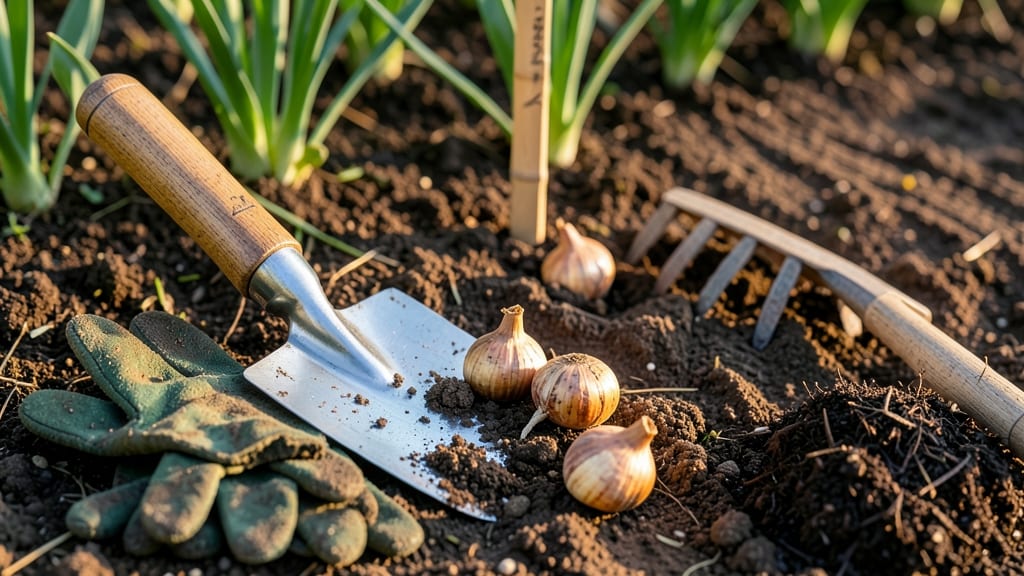
Timing your daffodil bulb planting in Southern California isn’t just about the calendar—it’s about outsmarting the region’s tricky heat. Plant too early, and those bulbs will roast in summer’s lingering warmth; too late, and you’ll miss their natural bloom cycle entirely.
The key? Understanding your microclimate, whether you’re in coastal LA or inland Palm Springs, where even a few degrees can shift the perfect window.
Most gardeners in USDA zones 9b-11 know fall is the golden window for planting 🌼 daffodils, but the devil’s in the details. Coastal areas can stretch planting into December, while inland zones should aim for October or early November—before soil temperatures creep up.
This isn’t guesswork; it’s about matching your bulbs’ dormancy needs with your local heat patterns.
Here’s what you’ll discover: how to read your soil’s temperature cues, adjust planting depth for heat protection, and even use mulch to buy extra time. No more wasted bulbs or disappointing blooms—just vibrant spring color that arrives right on schedule.
Let’s break down the exact steps tailored to your corner of Southern California.
Ready to transform your yard into a daffodil paradise without the guesswork? The secret starts with the right timing—and we’ve got the science-backed schedule to make it foolproof. Grab your gloves; your 🌼 daffodils are waiting for their big moment.
Optimal planting windows for daffodils in Southern California’s microclimates
Southern California’s diverse climate—from coastal LA’s mild winters to inland Palm Springs’ scorching summers—means one-size-fits-all planting advice won’t work. Daffodils thrive when planted in fall’s cooler months, but timing shifts dramatically between coastal and inland zones.
Coastal areas (USDA zones 9b-10a) have 6-8 weeks longer to plant safely than inland desert regions (zone 11).
Your goal: Plant bulbs when soil temps drop below 65°F (18°C) but before ground freezes—though frost is rare in SoCal. Inland areas must act faster to avoid summer heat stress, while coastal gardeners enjoy a more flexible window. Let’s break down the exact months for each microclimate.
🌱 Visual Guide: Coastal vs. Inland Planting Windows
For coastal gardeners, November is your sweet spot—bulbs planted then will root firmly before winter rains arrive. Inland areas must plant by late October at the latest to avoid bulbs sprouting too early and baking in summer heat.
Use a soil thermometer to confirm temps are consistently below 65°F before planting.
Pro tip: Check your local weather forecasts for La Niña/El Niño patterns, which can shift coastal fog timelines. Inland regions should prioritize shade-cloth-covered beds if planting extends into late fall. Always plant bulbs 6 weeks before ground temps rise above 70°F (21°C).
If you’re in transition zones (e.g., Orange County), split your planting: 60% in October and 40% in November to hedge against unpredictable weather. This staggered approach ensures some bulbs bloom early while others follow suit, extending your spring color display.
Remember: Daffodil bulbs need 12–16 weeks of cold dormancy to bloom reliably. Inland areas often lack this natural chill, so pre-chill bulbs for 8–10 weeks in your fridge’s crisper drawer (35–40°F/2–4°C) before planting if you’re pushing the late-November window.
🌿 Key Takeaway: Coastal areas get a 3-month window (Oct–Dec), while inland zones must plant by November 15 to avoid heat stress. Always adjust for elevation—higher foothills can plant later due to cooler nights.
5 Critical factors that determine your perfect planting time
Planting daffodil bulbs in Southern California isn’t just about picking a month—it’s about understanding your local microclimate. Coastal areas like San Diego and Santa Barbara have milder winters, while inland zones like Palm Springs face intense summer heat.
These differences can shift your ideal planting window by 4-6 weeks.
First, check your average low temperatures. Daffodils need 6-8 weeks of cool soil (below 60°F) to establish roots before spring growth. Inland areas may need to plant earlier in October, while coastal regions can wait until late November.
Next, consider your summer heat forecasts. Bulbs planted too early in hot zones (like Riverside) risk premature sprouting and heat stress. Use local weather data to avoid planting when daytime temps exceed 85°F for extended periods.
Soil moisture retention is another key factor. Clay-heavy soils in inland valleys hold moisture longer, while sandy coastal soils dry out faster. Amend your soil with compost or organic matter to improve moisture retention, especially in USDA Zone 10-11 areas.