
Plants
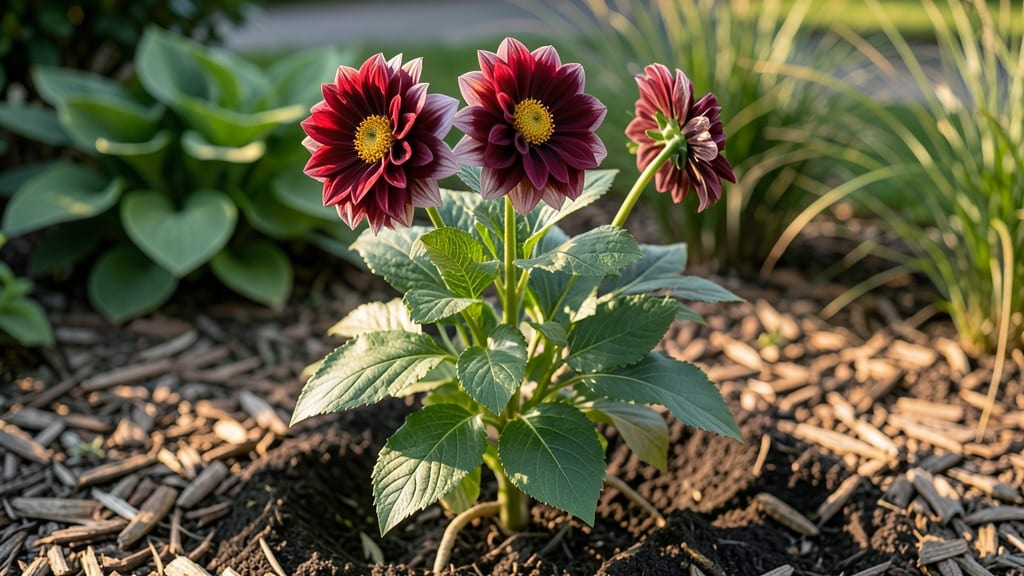
Timing your dahlia bulb planting in Georgia isn’t just about following a calendar—it’s about catching that sweet spot between frost risk and summer heat. Plant too early, and a late cold snap could wipe out your 🌸 dahlias before they even sprout.
Too late, and you’ll miss the bold blooms that make Georgia gardens famous.
For Zone 8A gardeners, the magic window opens in late March to early April, right after the last frost date. But here’s the catch: your soil temperature matters just as much as the calendar.
Cold, damp soil can stall growth, leaving your tubers vulnerable to rot. We’ll break down exactly when to plant—and how to prep your soil—for healthy, vibrant dahlias that thrive all summer long.
Whether you’re a seasoned gardener or a first-timer, getting this timing right means the difference between wilted stems and showstopping blooms.
I’ll share the step-by-step schedule that’s worked for Georgia growers for years, plus pro tips to adjust for your specific microclimate—whether you’re in Atlanta’s urban heat or Savannah’s coastal breeze.
Ready to transform your garden into a dahlia paradise? Let’s dive into the exact planting deadlines, soil prep secrets, and care routines that’ll keep your 🌸 dahlias flourishing from July through October. Your future bouquets will thank you.
Georgia zone 8A dahlia planting deadlines: exact weeks for success
Timing your dahlia tubers correctly in Georgia’s Zone 8A climate makes the difference between vibrant summer blooms and wasted effort. The ideal window runs from mid-March to mid-April, but exact dates depend on your last frost date and soil temperature.
In most of Georgia, this means planting after March 15th, once nighttime temperatures stay above 50°F consistently.
For Atlanta gardeners, aim for late March when the average last frost passes. In Savannah, where winters are milder, you can start as early as mid-February if your soil warms quickly.
The key is waiting until the ground reaches 60°F—dahlias won’t thrive in cooler soil, and cold snaps can stunt growth or even kill young tubers.
Cold soil delays root establishment, leaving plants vulnerable to rot diseases like Phytophthora. Use a soil thermometer to confirm 60°F+ at 6-inch depth before planting. If your soil is still chilly, cover tubers with mulch or wait another week—rushing leads to leggy, weak stems that flop under Georgia’s summer heat.
| Stage | Action | Georgia Zone 8A Timeline |
|---|---|---|
| Soil Prep | Amend with compost; ensure drainage | February (2-4 weeks before planting) |
| Chitting (Optional) | Sprout tubers indoors near light | Late February - Early March |
| Planting Window | Bare-root or pre-grown tubers | Mid-March - Mid-April |
| Post-Planting Care | Water deeply; mulch heavily | April (ongoing) |
| First Blooms | Expect flowers by early July | July - October |
Georgia’s humid summers demand extra attention to planting depth. Bury tubers 4-6 inches deep, with the neck (growth point) facing upward—this prevents rot while encouraging strong roots.
Space tubers 12-18 inches apart (closer for dwarf varieties, wider for giant dahlias) to allow airflow and reduce fungal risks like powdery mildew, which thrives in Georgia’s sticky heat.
If you’re using pre-grown tubers (with sprouts), plant them slightly deeper (5-6 inches) to stabilize stems. For bare-root tubers, soak them in water for 1-2 hours before planting to rehydrate. This step is critical in Georgia’s dry spells, where tubers can dry out quickly during late-spring planting.
Pro tip: Mark your planting date on a garden journal or calendar. In Georgia, dahlias planted after April 15th may not bloom until late summer—missing peak color season. But if you’re in a cooler microclimate (like the Blue Ridge Mountains), extend your window to early May for safer planting.
After planting, mulch heavily with 2-3 inches of straw or pine needles to retain moisture and regulate soil temperature. This is especially important in Georgia’s triple-digit heat, where mulch can reduce watering needs by 30-50%. Pair this with drip irrigation to keep foliage dry and prevent fungal diseases.
For container gardeners, use large pots (18+ inches wide) with fast-draining mix. Plant tubers the same depth as in-ground but add extra compost to compensate for limited root space. Containers dry out faster in Georgia’s sun, so monitor soil moisture daily during heatwaves.
Remember: Dahlias are tender perennials in Zone 8A—they’ll die back with frost but return if tubers are dug and stored properly. If you’re pushing the late-April planting window, prioritize heat-tolerant varieties like ‘Café au Lait’ or ‘Bishop’ to ensure blooms despite the delay.
How to prepare dahlia tubers before planting in Georgia’s humid climate
Georgia’s humid summers and warm winters create the perfect storm for dahlia tuber rot if you don’t prepare them properly. Before planting, I always inspect and pre-sprout my tubers to give them a head start—especially critical in Zone 8A’s sticky climate.
Start this process 4-6 weeks before your target planting date (typically late February to early March).
First, remove tubers from storage and let them air-dry for 24 hours in a cool, well-ventilated area. This prevents fungal diseases like botrytis, which thrives in Georgia’s damp air.
Use a sharp knife to cut tubers into sections, ensuring each piece has at least one eye (the tiny buds where growth starts).