
Plants
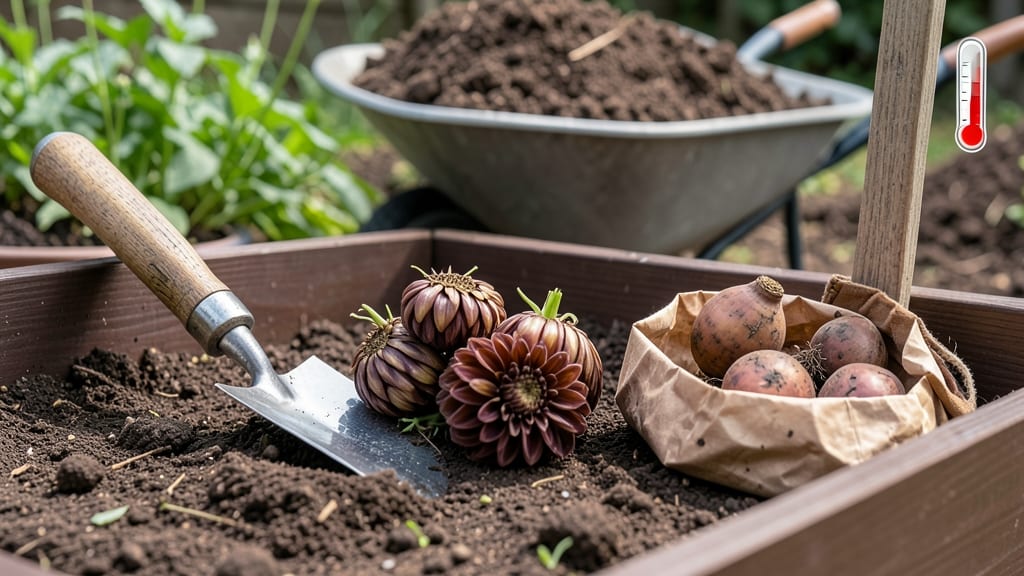
Timing your dahlia bulb planting in Michigan can make or break your summer blooms—get it wrong, and frost or heat waves will sabotage your garden before the flowers even appear.
The key lies in waiting for that sweet spot after the last frost, when soil temperatures finally climb to a cozy 60°F for those tubers to wake up properly.
Michigan’s 5b-6b hardiness zones mean gardeners here face a shorter window than their southern neighbors, but with the right strategy, you can still enjoy stunning dahlias 🌸 from July through October.
Whether you’re a seasoned gardener or just starting, understanding your local frost dates and soil conditions is the difference between wilting disappointment and a garden bursting with color.
I’ll walk you through exactly when to plant—typically late April to mid-May—plus how to prep your soil and bulbs for success. No more guessing games about whether it’s "too early" or "too late"; just a clear, actionable plan tailored to Michigan’s unpredictable spring.
Ready to transform your garden? Let’s dive into the frost-free zone timeline and other pro tips that’ll have your dahlias thriving all season long.
Michigan’s frost-free zone timeline for planting dahlia bulbs
Michigan’s USDA hardiness zones 5b-6b create a unique challenge for dahlia growers. The last frost date typically falls between mid-April and early May, but soil temperatures must reach 60°F before planting. This timing ensures your dahlia tubers sprout without frost damage while maximizing the 165-day frost-free growing season.
For northern Michigan (zones 5b), aim for late May planting when nighttime temperatures consistently stay above 50°F. In southern Michigan (zones 6a-6b), you can plant as early as late April, but always check local frost forecasts.
The ideal window is 2-4 weeks after your last frost—this gives tubers time to establish roots before summer heat arrives.
Use a soil thermometer to confirm readiness. Dahlias won’t thrive in cold soil—below 55°F slows growth and increases rot risk. In Michigan’s variable climate, waiting an extra week for consistent warmth is better than rushing and losing your investment.
🌱
| Region | Last Frost Date | Planting Window | Soil Temp Goal |
|---|---|---|---|
| Northern MI (Zone 5b) | Mid-May | Late May - Early June | 60°F+ |
| Southern MI (Zone 6a-6b) | Late April - Early May | Late April - Mid-May | 60°F+ |
| All Regions | After May 15 (safe bet) | 2-4 weeks post-frost | Minimum 55°F |
If you’re eager to start earlier, consider chitting tubers indoors in March. Place tubers in paper bags with slightly moist peat moss and keep them in a bright, warm spot (65-70°F).
This jumpstarts growth, giving you a 2-3 week head start once outdoor conditions improve. Just be prepared to harden off plants before transplanting.
For container gardening, the timeline shifts slightly. Containers warm faster but also cool quicker. Plant 1-2 weeks after your in-ground timeline, and use black pots to absorb heat.
In Michigan’s short season, containers let you extend the growing period by moving pots to sunniest spots or even indoors before frost.
Watch for false springs—those warm spells in March or early April that trick gardeners into planting too soon. A late frost can devastate tender dahlia shoots. Use the Michigan State University Garden Hotline or local Cooperative Extension offices for real-time frost alerts.
Their 30-year frost data helps pinpoint the safest planting dates for your specific county.
Once planted, dahlias need consistent moisture to establish roots. Mulch with 2-3 inches of straw or shredded leaves to retain soil warmth and suppress weeds. In Michigan’s humid summers, this also reduces fungal diseases that thrive in damp conditions.
Remember: dahlias are not frost-tolerant—if a late frost threatens in October, cover plants with frost cloth to protect emerging buds.
🌿
Michigan’s frost-free zone timeline for planting dahlia bulbs
Michigan’s USDA zones 5b-6b create a short but critical growing window for dahlias. The key is planting after the last spring frost—typically mid-April to early May—when soil reaches 60°F consistently.
Northern Michigan (zone 5b) waits until late May, while southern regions (zone 6b) can start as early as late April.
Dahlias are tender perennials, meaning they’ll die if exposed to below 32°F. Even a light frost can stunt growth, so avoid planting until all risk of frost has passed. Check your local Michigan State University Extension frost maps for precise dates—these vary 5-10 days across the state.
🌱Pro Tip: Use a soil thermometer to confirm warmth. Dahlias thrive when soil stays above 60°F for 10+ days. If your soil is still cold, start tubers indoors in late March to give them a head start.
| Zone | Last Frost Date | Ideal Planting Window | Soil Temp Goal |
|---|---|---|---|
| 5b (Northern MI) | Late May | Early June | 60°F+ |
| 6a (Central MI) | Early May | Mid-May | 60°F+ |
| 6b (Southern MI) | Late April | Late April-May | 60°F+ |
🌡️ Note: Adjust 1-2 weeks earlier for microclimates (e.g., urban heat islands).
Once soil is warm, dahlias need 12-18 inches of space to avoid competition. Plant tubers 4-6 inches deep, with the eyes (sprouts) facing upward. In containers, use a 5-gallon pot minimum—dahlias have deep root systems that need room to spread.
💧Watering Tip: After planting, water deeply to settle soil and encourage root growth. Keep soil consistently moist (not soggy) until plants reach 12 inches tall. Mulch with 2-3 inches of straw to retain moisture and regulate soil temperature.
For Michigan’s short season, choose early-blooming varieties like ‘Café au Lait’ or ‘Karma Choc’ (both 90-day varieties). These will reward you with summer-to-fall blooms before the first frost. Mark your calendar for mid-October—this is when you’ll dig and store tubers for next year!