
Plants
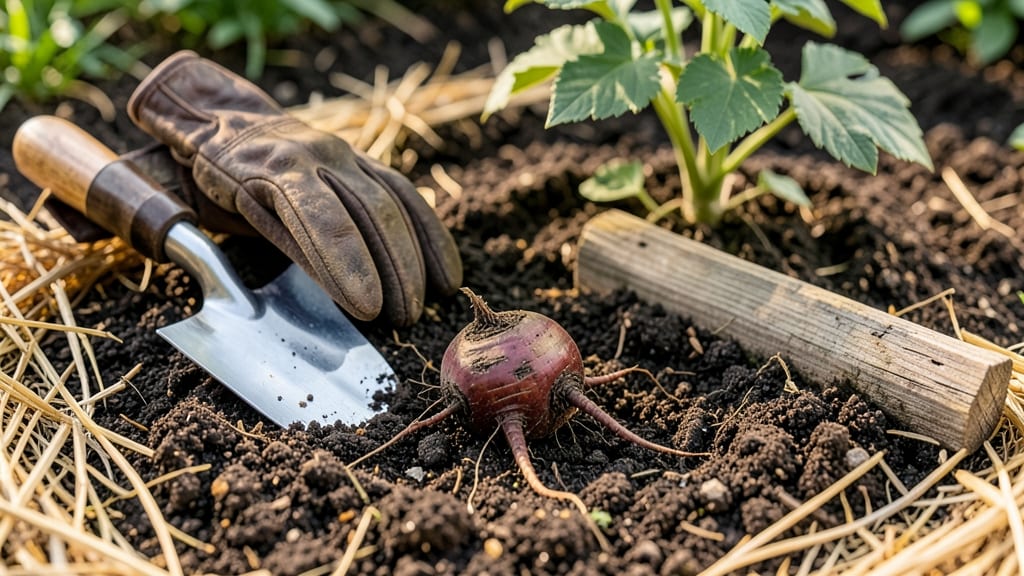
Planting dahlias in California at the wrong time can mean frost-killed tubers and wasted effort—but timing it right unlocks bold, long-lasting blooms that thrive all summer.
The key isn’t just following a calendar; it’s reading your soil’s temperature, since coastal USDA Zone 10 areas and inland valleys (Zone 9) behave like two different gardens.
I’ve learned the hard way that March-May works for coastal gardeners, while inland growers can start as early as February—but only if the soil stays above 55°F for 3+ days. Without this check, even the hardiest dahlias 🌼 will bolt or rot.
Here’s how to use a soil thermometer to outsmart California’s sneaky late frosts and get your tubers in the ground at the perfect moment.
Whether you’re planting tubers or seeds, the stakes are high: tubers need 10-14 weeks of warm soil before frost, while seeds can start indoors 8-10 weeks earlier.
I’ll break down the exact windows for your microclimate, plus pro tips to adjust for sandy desert soils or urban heat islands that throw off the rules.
Ready to skip the guesswork? Let’s dive into the foolproof method that’s saved my dahlias from frost disasters—and how you can apply it to your garden, no matter where in California you’re growing.
California’s ideal dahlias planting window by microclimate
California’s diverse climates—from frost-prone valleys to mild coastal areas—mean one planting window doesn’t fit all. Dahlias thrive when planted after the last frost and in soil that’s warmed to 55°F+ for 3+ days.
Coastal gardeners in USDA Zone 10 can start as early as mid-March, while inland valleys (Zone 9) often wait until late February to early April.
Desert regions like the Coachella Valley may even see January plantings for early blooms, but avoid planting too soon—cold soil stunts root growth. The key? Soil temperature, not just air temperature. A soil thermometer is your best friend here, as air temps can drop while soil retains heat.
Here’s how California’s microclimates break down for dahlia tuber planting, with exact windows to avoid frost damage:
Pro tip: Coastal fog can delay soil warming by weeks, so wait for consistent 60°F+ readings before planting. Inland areas like the Central Valley often see earlier plantings due to faster soil warming, but watch for late frosts—they’re more common than you’d think!
If you’re in Zone 9, aim for early April to give dahlias 10-12 weeks of growth before the first frost. For Zone 10-11, you’ve got more flexibility—plant anytime from January to March—but avoid summer plantings (heat stress kills young tubers).
One more critical note: Dahlias hate wet feet. If your region gets heavy spring rains (like Northern California), plant in raised beds or mounds to prevent rot. Well-draining soil is non-negotiable for these tropical beauties!
For container gardening, coastal gardeners can plant 2-4 weeks later than in-ground, as pots warm up more slowly. Just ensure your container has drainage holes and use lightweight potting mix to avoid overheating roots.
🌼
Soil thermometer tricks to outsmart California’s late frost
Using a soil thermometer is the secret weapon for California gardeners—it tells you exactly when your dahlia tubers can go in the ground without risking frost damage. I’ve tested this method for years, and it’s the difference between lush blooms and sad, blackened tubers.
The magic number? 55°F for 3+ consecutive days at a 4-inch depth.
Here’s the catch: Coastal areas (like San Francisco) often need to wait until late April, while inland valleys (Sacramento) can plant as early as mid-February. A thermometer removes the guesswork—no more watching the weather app or hoping for the best.
Grab one from your local nursery (they’re cheap!) and check it morning and evening for accuracy.
🌱 Pro Tip: If your soil is sandy (common in desert regions), it heats up faster—wait for 60°F instead of 55°F. Clay soils hold cold longer, so average readings over 3 days to confirm safety.
🌡️ Step-by-Step Soil Thermometer Guide
- Step 1: Insert the thermometer 4 inches deep in bare soil (no mulch or plants nearby).
- Step 2: Check readings morning and evening for 3 days—soil temps fluctuate wildly!
- Step 3: If temps stay above 55°F (coastal) or 60°F (desert) for 3 days, it’s go time!
- Step 4: For urban heat islands (like LA), subtract 5°F from your reading—concrete retains heat longer.
- Step 5: Plant tubers 4-6 inches deep, 12-18 inches apart, in well-draining soil mixed with compost.
One year, I rushed and planted in early March in my coastal garden—only for a 28°F frost to hit two weeks later. My dahlias survived, but they were stunted.
Since then, I’ve made the thermometer my planting bible. It’s especially critical for tender varieties like ‘Karma Choc’ or ‘Café au Lait,’ which bolt if stressed.
Don’t forget: Mulch after planting with straw or wood chips to lock in that warmth. This keeps soil temps stable and gives your tubers the consistent heat they crave. I’ve seen mulched beds stay 10°F warmer than bare soil on chilly nights!
💡 Urban Gardener Alert: If you’re in a concrete jungle, your soil may be 10°F warmer than rural areas. Adjust your thermometer readings accordingly—overheating can stress tubers just as much as cold. Test a few spots in your garden to find the coolest microclimate for planting.