
Plants
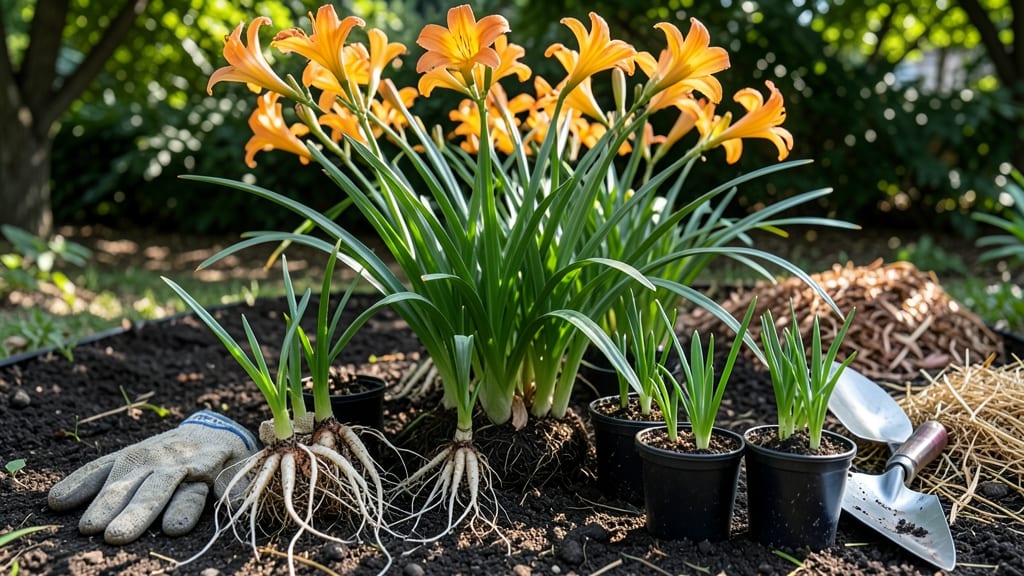
Planting daylilies in Texas at the wrong time can mean the difference between vibrant 🌸 blooms all season and struggling plants that never quite thrive. Whether you're in the cooler hills of North Texas or the balmy South, timing matters more than you might think—especially when Texas summers hit like a furnace.
Most gardeners assume spring is the only window, but in Texas' 8a-10b zones, fall planting often gives daylilies a crucial head start. The key is avoiding extreme heat or early frosts, which can shock young roots.
I've tested both seasons and found the best results come from planting in early spring or late fall—when temperatures cooperate and moisture stays balanced.
What you'll discover here is how to align your planting schedule with Texas' microclimates, from North Texas' cooler springs to South Texas' extended growing seasons.
We'll cover soil prep, watering tricks, and even how to tell when your daylilies are truly ready to go in the ground—because getting it right means fewer weeds, more blooms, and a garden that pops with color from spring through fall.
Ready to skip the guesswork? Let's get your daylilies in the ground at the perfect moment—so you can enjoy those cheerful blooms without the stress. The secret isn't just about when to plant; it's about working with Texas' quirks to give your plants the best possible start.
Texas daylily planting calendar by Zone: best months for success
Texas spans USDA zones 8a–10b, meaning your daylily planting window depends on where you live. In North Texas (8a–9a), frost can linger until late January, while South Texas (9b–10b) rarely sees frost at all.
This dramatic difference changes your ideal planting months—and skipping the right window can mean struggling plants or missed blooms.
Daylilies thrive when planted in cool but frost-free soil. For most of Texas, that means targeting fall (September–November) or early spring (February–March). Fall planting is often preferred because it gives roots time to establish before summer’s brutal heat, while spring planting risks stressing plants as temperatures soar.
Here’s how to align your planting with Texas’ three distinct zones—plus the temperature thresholds that separate success from failure:
Notice how South Texas gardeners have a longer window—they can even plant in January without frost risk. Meanwhile, North Texas growers must act fast in spring before the heat sets in.
Pro tip: Use a soil thermometer ($10 at garden centers) to confirm soil temps before planting. Aim for 60°F+ for best root growth.
Daylilies are perennials in Texas, meaning they’ll return year after year—but only if planted correctly. The 6-week window after transplanting is critical for root establishment. If you miss fall, don’t panic: spring planting still works, but you’ll need to water deeply every 3–5 days until roots take hold.
One common mistake? Planting in May or June. By then, Texas soil can hit 90°F+, shocking tender daylily roots. Instead, stagger plantings—put in half your daylilies in fall and the rest in early spring—to ensure continuous blooms.
Varieties like ‘Stella de Oro’ (dwarf) or ‘Happy Returns’ (heat-tolerant) are great choices for Texas.
After planting, focus on mulching with 2–3 inches of compost to retain moisture and regulate soil temps. In Zone 8a–9a, add a lightweight mulch like straw to insulate roots from winter freezes. For Zone 10b, prioritize shade cloth during peak summer to protect foliage.
Remember: Daylilies reward patience. A plant set in September in North Texas will bloom the following spring and summer, while one planted in February in South Texas may skip a year’s blooms but thrive long-term. Choose your window wisely, and you’ll enjoy months of vibrant color with minimal effort.
Texas daylily planting calendar by Zone: best months for success
Texas spans USDA zones 8a through 10b, meaning your ideal planting window depends on whether you're in the cooler Panhandle (8a) or the balmy Rio Grande Valley (10b).
In North Texas, where frosts linger until late January, early spring planting (February–March) gives daylilies time to establish roots before summer’s heat. Meanwhile, South Texas gardeners can plant as late as November, thanks to milder winters and longer growing seasons.
The golden rule? Plant when soil temperatures hover between 55°F and 75°F—too cold, and roots struggle; too hot, and plants wilt before they take hold. I’ve found that fall planting (September–November) often outperforms spring in Texas because it lets daylilies develop strong roots before the brutal summer heat arrives.
But timing isn’t one-size-fits-all—let’s break it down by zone.
| Zone | Best Planting Window | Soil Temp Goal | Key Consideration |
|---|---|---|---|
| 8a (North Texas) | February–March | 55°F–65°F | Avoid late frosts; mulch heavily after planting. |
| 9a–9b (Central Texas) | September–November or February–March | 60°F–70°F | Fall planting preferred; spring risk of heat stress. |
| 10a–10b (South Texas) | September–November | 65°F–75°F | Longer growing season; avoid summer planting. |
For North Texas (Zone 8a), I recommend planting in early spring (February) to beat the last frost, which typically occurs around January 31. Use a light mulch (2–3 inches) to protect roots from temperature swings, and water deeply but infrequently to encourage deep root growth.
In Central Texas (Zones 9a–9b), both fall and spring work, but fall planting (September–October) often yields stronger plants by next summer.
In South Texas (Zones 10a–10b), where winters are mild, focus on fall planting (September–November) to avoid the oppressive summer heat. Daylilies planted in late summer can bolt (send up flower spikes too quickly), reducing vigor.
Pro tip: If you’re in a humid microclimate (like East Texas), plant in late September to avoid fungal diseases that thrive in warm, wet soil.
One mistake I see often? Planting daylilies in May or June—the Texas heat can shock young plants, leading to stunted growth or even death. Instead, align your planting with cooler months when daylilies can focus on root development rather than battling heat stress.
With the right timing, your daylilies will reward you with continuous blooms from spring through fall, even in Texas’ toughest climates.
Ready to pick your perfect window? Grab your soil thermometer and check those temps—your daylilies’ future blooms depend on it! 🌸