
Plants
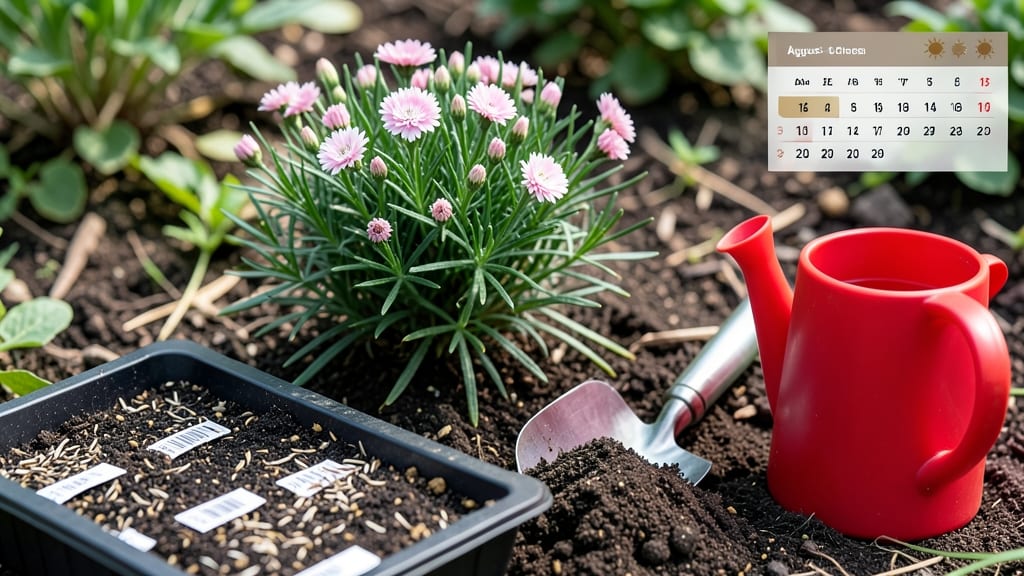
Timing your Dianthus seed planting in Australia can make or break those dreamy 🌸 blooms you’ve been dreaming of. Get it wrong, and you might end up with frost-nipped seedlings or wilting flowers before they even open.
But here’s the good news: with the right knowledge, you can align your planting schedule with your local climate to guarantee vibrant displays all season long.
Most gardeners in Australia’s temperate zones know the golden rule—August to October is prime time for sowing Dianthus seeds. However, if you live in tropical or coastal areas, your window might shift slightly to avoid the harshest summer heat.
The key is understanding how your region’s frost risk, rainfall patterns, and soil temperatures play into the equation.
Whether you’re starting seeds indoors for an early jumpstart or sowing directly into the garden, we’ll break down the best practices for your specific climate zone.
From avoiding common pitfalls like overwatering to recognizing when your soil is truly ready, you’ll learn how to set your Dianthus up for success from day one.
Ready to transform your garden into a fragrant, colorful paradise? Let’s dive into the exact steps and timing that will help your Dianthus thrive—no matter where you are in Australia.
Australia’s climate zones and ideal Dianthus planting months
Australia’s climate zones dramatically impact when you should plant Dianthus seeds. In temperate zones like Victoria or Tasmania, aim for August to October—cooler months that avoid frost damage while keeping soil temperatures ideal for germination.
Meanwhile, subtropical regions such as Queensland’s highlands can start as early as May to July, while tropical zones like northern NSW or the NT should wait until April to May to escape the scorching summer heat.
Each zone has unique challenges: frost risk in southern areas, heat stress in the north, and humidity fluctuations in coastal regions. Understanding these factors ensures your Dianthus seeds sprout consistently and thrive into vibrant blooms.
For example, in Perth, you might plant in late winter (August), while Brisbane gardeners should wait until early autumn (April).
Soil temperature is another critical factor. Dianthus seeds germinate best in soil that’s 15–20°C (59–68°F). Use a soil thermometer to check—if it’s cooler, delay planting or use a seedling heat mat.
In cooler climates, starting seeds indoors in July gives you a head start before transplanting outdoors in September.
Let’s break down the best planting windows by zone, including frost alerts and heat tolerance tips to optimize your Dianthus success.
🌸 Australia’s Dianthus Planting Guide by Climate Zone
| Zone | Best Planting Months | Frost Risk | Soil Temp for Germination | Key Tips |
|---|---|---|---|---|
| Temperate (e.g., Melbourne, Adelaide) | August–October | High (May–July) | 15–20°C | Start indoors in July; harden off before frost. |
| Subtropical (e.g., Gold Coast, Sydney) | May–July | Low (rare frost) | 18–22°C | Avoid summer heat; use shade cloth if needed. |
| Tropical (e.g., Darwin, Cairns) | April–May | None | 20–25°C | Sow in well-draining soil; mulch to retain moisture. |
| Coastal (e.g., Perth, Hobart) | August–September | Moderate (varies) | 16–20°C | Monitor humidity; avoid waterlogged soil. |
🌱 Pro Tip: In inland areas, plant 1–2 weeks earlier than coastal zones to escape heatwaves.
If you’re in a cooler region, like the Southern Tablelands of NSW, you can push your planting window slightly earlier—even into late July—if you use a cloche or cold frame to protect seedlings.
Conversely, in hotter inland areas such as Albury-Wodonga, delay until September to avoid the 40°C+ days that can stress young plants.
For coastal gardeners, pay attention to wind exposure. Areas like Tasmania’s east coast experience strong winds in autumn, which can dry out soil. Use windbreaks or plant near hedges to create a microclimate.
In humid subtropical zones, like the Brisbane River Valley, ensure your soil is well-draining to prevent fungal diseases that thrive in damp conditions.
One common mistake is assuming all Dianthus varieties have the same planting window. Dwarf varieties (like ‘Firewitch’) may tolerate slightly warmer soil, while taller types (like ‘Giant White’) need cooler conditions. Always check your specific variety’s growing requirements—some even benefit from a light frost to trigger blooming!
Finally, don’t overlook moon planting trends—while not scientifically
Australia’s climate zones and ideal Dianthus planting months
Australia’s climate zones dramatically impact when you should sow Dianthus seeds. In temperate zones like Victoria or Tasmania, aim for August to October—cool soil temperatures and lower frost risk create ideal germination conditions.
Meanwhile, in subtropical areas (e.g., Brisbane or Sydney), shift your timeline to March to May to avoid summer heat stress.
For tropical regions like northern Queensland, the window narrows to May to July, aligning with the wet season’s cooler temperatures. Coastal gardeners should also note that salt spray tolerance varies by variety—opt for Dianthus barbatus or Dianthus chinensis for windy coastal spots.
| Climate Zone | Best Planting Months | Soil Temp (°C) | Key Considerations |
|---|---|---|---|
| Temperate (e.g., Melbourne, Adelaide) | August–October | 10–15°C | Avoid frost dates; use cloche covers if needed. |
| Subtropical (e.g., Sydney, Gold Coast) | March–May | 18–22°C | Prioritize evening watering to prevent fungal issues. |
| Tropical (e.g., Cairns, Darwin) | May–July | 20–25°C | Use shade cloth to protect seedlings from intense sun. |
| Coastal (e.g., Perth, Byron Bay) | September–November | 12–18°C | Choose salt-tolerant varieties and raise beds for drainage. |
Inland areas like Canberra or Alice Springs face extreme temperature swings—plant in late winter to escape both frost and summer’s scorching heat. Always check your local Bureau of Meteorology frost alerts to fine-tune timing. Pro tip: Test soil temperature with a thermometer—ideal germination occurs at 10–15°C.
For greenhouse starts, you can begin sowing 2 months earlier (June–July for temperate zones) to extend your blooming season. Just ensure your greenhouse stays well-ventilated to prevent mold. Remember, Dianthus seeds need light to germinate, so avoid burying them—press them gently into the soil surface.
Regardless of your zone, avoid planting in wet soil—excess moisture leads to rot. Amend heavy clay with sand or perlite to improve drainage. Once established, Dianthus thrives with minimal care, but timing your planting ensures those fragrant blooms appear when you’ve been waiting for them.