
Plants
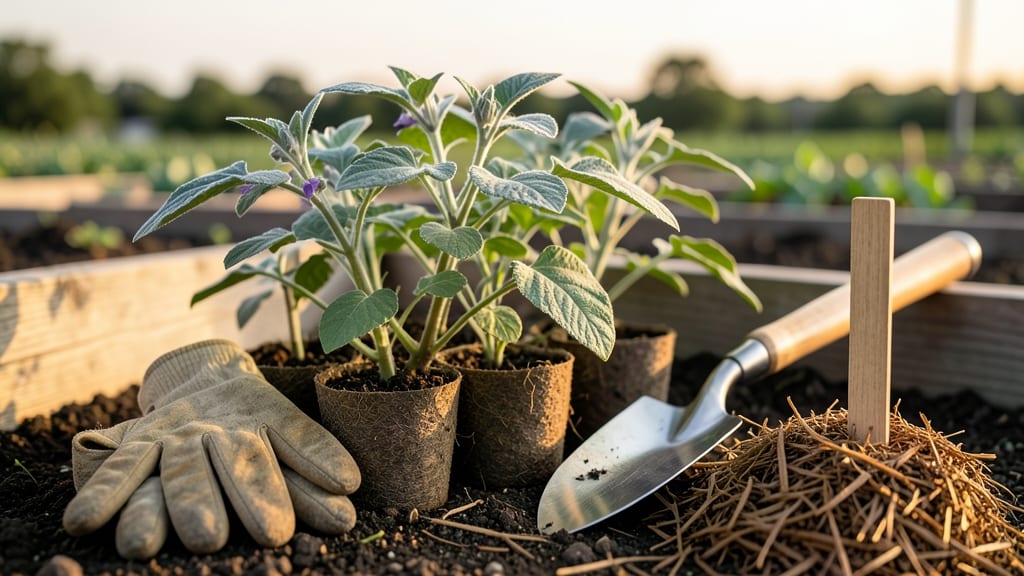
Timing your eggplant planting in North Carolina can make the difference between a bountiful harvest and a sad, wilted 🍆. With frost dates varying wildly from the mountains to the coast, getting the window right is key—especially when your plants need at least 70°F soil to thrive.
Most gardeners in zones 6a-8b wait until late April or early June, but that’s just the starting point. Whether you’re starting seeds indoors or transplanting seedlings, knowing your last frost date (and when to push past it) is the real game-changer.
One wrong move, and you’ll either lose plants to cold snaps or miss the July-October harvest window entirely.
I’ve grown eggplants across NC’s diverse regions, and I’ll share exactly how to time your planting—plus the best varieties for your microclimate. From Piedmont’s warmer springs to the Mountains’ later starts, we’ll cover it all so you can enjoy glossy, homegrown eggplants all summer long.
Ready to avoid common pitfalls like planting too early? Let’s dive into the frost-free deadlines, soil temps, and pro tips that’ll have your eggplants thriving—no guesswork required.
North Carolina eggplant planting dates by USDA hardiness zones (6b-8a)
North Carolina’s diverse climate—from the mountainous west to the coastal plains—means eggplant planting dates vary dramatically. Eggplants thrive in USDA Zones 6b-8a, but the last frost date shifts from early March in the mountains to mid-April in the Piedmont.
Always wait until soil temperatures hit at least 70°F to avoid stunted growth.
In Zone 6b (western NC), plant transplants after May 1 to dodge late frosts. Zone 7a/b (central NC) offers a wider window—April 15 to May 10—while Zone 8a (coastal) can start as early as March 20 if you’re using row covers.
Check your local NC State Extension frost map for precision.
🌱 NC Eggplant Planting Timeline by Zone
| Zone | Last Frost Date | Ideal Planting Window | Soil Temp Requirement |
|---|---|---|---|
| 6b (Mountains) | Early March | May 1–15 | 70°F+ |
| 7a (Piedmont) | Mid-March | April 15–May 10 | 70°F+ |
| 7b (Coastal Plain) | Late March | April 1–May 5 | 70°F+ |
| 8a (Coastal) | Mid-April | March 20–April 15 | 70°F+ |
⚠️ Pro Tip: Use black plastic mulch to warm soil faster in cooler zones.
For seedlings, start indoors 8–10 weeks before your last frost date. In Zone 6b, that means sowing seeds by March 1, while Zone 8a gardeners can begin as early as January 15. Use grow lights to prevent leggy seedlings—eggplants need 12+ hours of light daily indoors.
If you’re transplanting store-bought seedlings, harden them off for 7–10 days before moving outdoors. Acclimate plants gradually by placing them in partial shade for a few hours each day, then increasing sun exposure. This reduces transplant shock and jumpstarts growth.
North Carolina’s humidity can stress eggplants, so avoid planting in July or August unless you’re using shade cloth. Late summer heat often leads to blossom drop or poor fruit set. Instead, focus on early June plantings for a July–October harvest window.
Don’t forget succession planting! In Zones 7b–8a, you can squeeze in a second crop by planting heat-tolerant varieties like Ichiban in early July. These mature faster and handle summer’s heat better than traditional types.
Monitor your garden with a soil thermometer—eggplants wilt quickly in soil temps below 65°F. If frost threatens after planting, cover plants with frost cloth or move containers to a sheltered spot. Even a light frost can blacken leaves and stunt growth.
For container growing, use 5-gallon pots and plant in May after all frost risk has passed. Containers warm up faster than soil, so you can plant 1–2 weeks earlier than in-ground gardens. Just ensure pots have drainage holes to prevent root rot.
Track your harvest window by counting 75–100 days from transplanting. In Zone 6b, expect first fruits in late July, while Zone 8a gardeners can harvest as early as June. Use a gardening journal to note your local timeline each year!
🌱
Best eggplant varieties for NC gardens & their ideal planting times
North Carolina’s diverse climate means not all eggplant varieties thrive equally. Heat-tolerant types like Ichiban excel in Piedmont’s hot summers, while Black Beauty handles the mountains’ shorter season better. Choosing the right variety ensures optimal harvests and avoids common pitfalls like blossom drop in heat waves.
For fast harvests, Rosa Bianca matures in just 60 days, perfect for late starts. If you love large fruit, Ichiban delivers 1-pound eggplants in 80 days. Each variety has its own planting window—some need early starts, others can wait until June.
Here’s how to match varieties to your NC microclimate and planting timeline for maximum success:
If you’re in Zone 6b (mountains), start Black Beauty indoors by March 15 for transplanting after last frost. In Zone 8a (coastal), Ichiban can wait until May 15—its heat tolerance prevents early bolting.
For container growing, Rosa Bianca thrives in 5-gallon pots and can be planted as late as June 1 in most NC zones. Just ensure full sun exposure and consistent watering to compensate for limited root space.
Pro tip: Succession plant fast varieties like Fairy Tale every 2 weeks from May to July for continuous harvests. This works especially well in short-season zones where frost threatens early.