
Planting
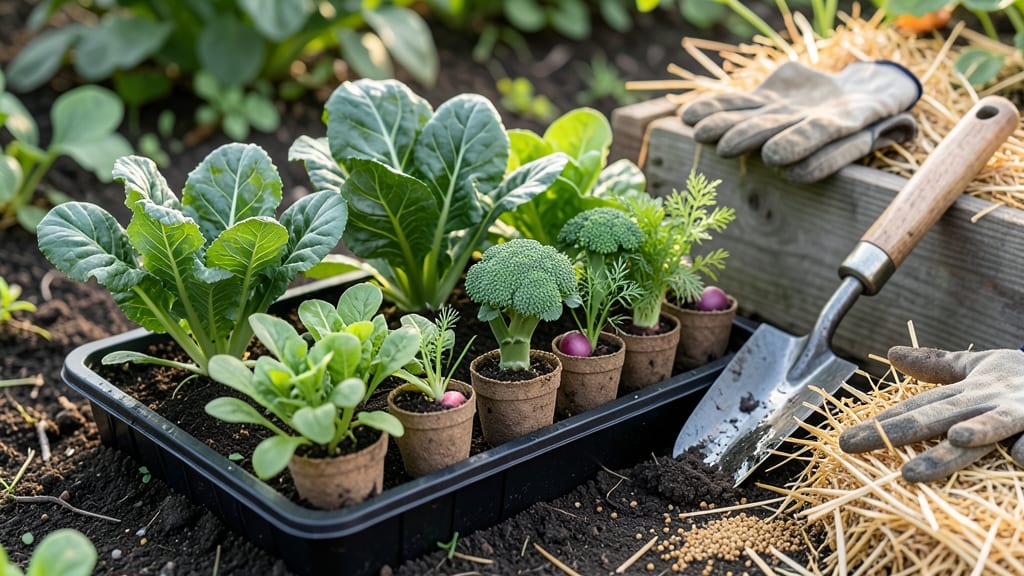
Timing when to plant a fall garden in Alabama wrong could mean the difference between a bountiful harvest and wilting disappointment. Alabama’s heat lingers later than most places, so knowing exactly when to plant—before the first frost but after the worst of the summer scorcher—is the key to success.
I’ve gardened here for years, and the perfect window isn’t just about dates—it’s about heat tolerance and regional microclimates. Whether you’re in Huntsville’s cooler hills or Mobile’s steamy lowlands, understanding your zone’s last-frost deadline and heat-resistant varieties will save you from common mistakes.
Ready to grow a thriving fall garden? I’ll walk you through the exact planting schedule for Alabama’s North, Central, and South regions, plus the best heat-loving crops to start now. Let’s get those seeds in the ground before the seasons shift!
From soil prep to frost protection, this guide covers everything you need to turn your Alabama backyard into a late-summer harvest goldmine. No more guesswork—just proven strategies for a garden that keeps giving long after summer fades.
Alabama’s fall planting timeline: last-frost dates and heat-tolerant windows by region
Alabama’s fall planting schedule hinges on last-frost dates and heat-tolerant windows, which vary dramatically from the North (Huntsville) to the South (Mobile). Unlike spring, fall offers a second chance to grow, but you must act fast—late August through early October is your prime window.
Miss it, and frost will claim your crops before harvest.
Northern Alabama (USDA Zones 7a-7b) has the earliest frost, often arriving by mid-November, while Southern Alabama (Zones 8a-8b) can enjoy harvests until December or later. Central Alabama (Birmingham) falls in between, with frosts typically hitting by late November.
Understanding these regional differences ensures you plant at the perfect time for heat-tolerant varieties.
Here’s the breakdown you need to avoid common mistakes: planting too early (when soil is still hot) or too late (risking frost damage). The key is to start heat-tolerant varieties in late July to early August and transition to cooler-season crops by September.
Let’s dive into the exact timeline for each region.
🌱 Did You Know? Alabama’s clay-heavy soils retain heat longer than sandy soils. Test your soil temperature with a soil thermometer—ideal planting temps for fall crops hover around 60-70°F. If it’s above 80°F, wait a week or two.
| Region | Last Frost Date | Heat-Tolerant Start Window | Cooler-Season Transplant | Direct Sowing Deadline |
|---|---|---|---|---|
| North (Huntsville) | Mid-November | Late July - Early August | Mid-August - Early September | Late August |
| Central (Birmingham) | Late November | Early August - Mid-August | Late August - Mid-September | Early September |
| South (Mobile) | Early December | Mid-August - Late August | September - Early October | Mid-September |
*Dates are approximate; check Alabama Extension for yearly updates.
For direct sowing, aim to plant 6-8 weeks before your region’s first frost. For example, in Huntsville, that’s late August for fast-maturing crops like bush beans or radishes. In Mobile, you can stretch sowing until mid-September for slower growers like kale or carrots.
Transplanting seedlings gives you more flexibility. Start heat-loving plants like tomatoes or peppers in late July and transition to cool-season crops (e.g., broccoli, cabbage) by September. Use shade cloth if transplanting in late summer to protect tender seedlings from 90°F+ soil.
Pro tip: Succession planting is your secret weapon. Sow fast-growing crops like lettuce or spinach every 2 weeks from August through September to ensure a continuous harvest. This works especially well in Central and Southern Alabama, where the growing season extends longer.
Don’t overlook microclimates. A north-facing garden stays cooler longer than a south-facing one, allowing you to plant 2-3 weeks later in shaded areas. Conversely, raised beds warm up faster—ideal for early heat-tolerant starts in Northern Alabama.
Finally, mark your calendar for Alabama Extension’s frost alerts. While averages help, unpredictable weather can shift frost dates by 1-2 weeks. When in doubt, use row covers to extend harvests by 2-3 weeks in fall.
With this timeline, you’ll avoid the #1 mistake Alabama gardeners make: planting too late. Start now, and you’ll enjoy fresh harvests well into November or December, depending on your region. 🌿
Best heat-tolerant fall vegetables for Alabama’s climate and how to extend their growing season
Alabama’s late summer heat doesn’t have to stop your fall garden dreams. The key is choosing heat-tolerant varieties that thrive when temperatures hover in the 80s°F and beyond.
Crops like okra, sweet potatoes, and black-eyed peas are perfect for this window, while malabar spinach and Swiss chard handle the heat better than traditional lettuce. These varieties not only survive but often produce sweeter harvests when grown in warm soil.
To push your harvests even later, focus on succession planting and season-extending techniques. Start with fast-maturing varieties like bush beans (ready in 50-60 days) or turnips (60 days) in early August.
Then, follow up with slower growers like cabbage (90 days) or kale (70 days) in late August for a staggered harvest. This strategy ensures you’re always picking fresh produce before frost arrives.
Another game-changer is using row covers or shade cloth to protect tender crops. A 30% shade cloth can lower soil temperatures by 10-15°F, creating a cooler microclimate for heat-sensitive plants like broccoli or cauliflower.
For late-season crops, apply row covers in the afternoon to allow sunlight for photosynthesis while shielding from evening heat. This simple trick can extend your harvest by 2-3 weeks in Alabama’s mild fall.
- Okra – Thrives in 90°F+; harvest pods at 3-4 inches (50-60 days).
- Sweet Potatoes – Needs 120+ days; plant slips in mid-July for fall harvest.
- Black-Eyed Peas – Heat-resistant; sow seeds in late July for fall harvest.
- Malabar Spinach – Grows in 95°F; harvest leaves as needed (60 days).
- Swiss Chard – Tolerates heat better than spinach; plant in late August (50 days).
- Southern Peas (Cowpeas) – Drought-tolerant; harvest pods in 60-70 days.
- Cantaloupe – Plant in early August; needs 85°F+ for sweetness (80 days).
- Collard Greens – Heat-tolerant; sow in late July for fall/winter harvest (60 days).
- Eggplant – Choose Black Beauty or Ichiban; transplant in late July (70 days).
- Peppers (Bell/Jalapeño) – Plant in early August; harvest before frost (60-75 days).
Don’t overlook soil preparation as a secret weapon. Alabama’s clay-heavy soils can bake hard in summer, so amend beds with 2-3 inches of compost or aged manure before planting. This improves drainage and retains moisture, which is critical when daytime highs linger in the 80s°F.
For container gardens, use well-draining potting mix with added perlite to prevent root rot in the heat.
Watering strategy is another critical factor. Instead of daily light sprinkles, deep-water your plants every 2-3 days in the early morning. This encourages deep root growth and reduces fungal diseases like powdery mildew, which thrives in Alabama’s humid summers.
For newly transplanted seedlings, use mulch (straw or pine needles) to lock in moisture and keep roots cool. This simple step can double your survival rate for heat-sensitive crops.
Finally, keep an eye on pest pressure during Alabama’s fall transition. Heat-loving pests like squash bugs and aphids may linger longer than expected. Inspect plants weekly and use neem oil or insecticidal soap for early intervention.
For heavy infestations, row covers can provide physical protection while still allowing light and air flow. With these strategies, your fall garden will not only survive the heat but thrive until the first frost.