
Plants
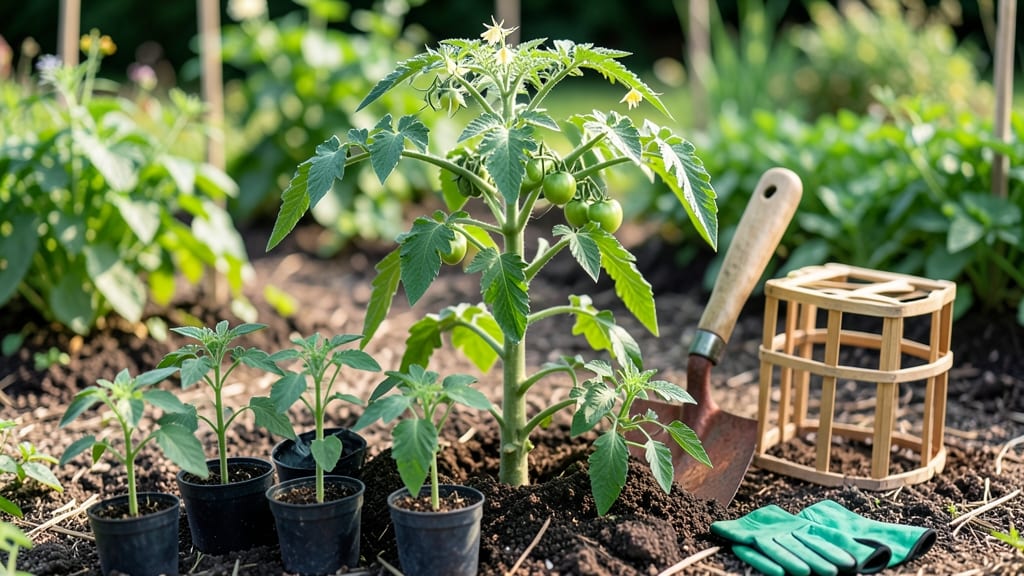
When to plant fall tomatoes in South Texas could mean the difference between a bumper crop and a sad, bolted disappointment. The key isn't just about the calendar—it's about understanding when the soil cools enough to prevent those plants from shooting up flowers before they're ready.
Most gardeners here make the mistake of planting too early, only to watch their tomatoes race toward flowering in the lingering summer heat. But when you get the timing right—typically between mid-August and early September—you'll enjoy fresh tomatoes well into November, even in our 9a-10a climate.
What you're about to discover isn't just a planting date—it's a three-part strategy that includes soil temperature triggers, heat tolerance hacks, and the best varieties for our region. These simple adjustments will help you avoid the most common mistakes and keep your tomatoes producing until frost.
Let's break it down so you can plant with confidence and enjoy that first taste of homegrown goodness before the season ends.
3 Critical soil temperature triggers for planting fall tomatoes in South Texas
South Texas gardeners face a unique challenge with fall tomatoes: the late-summer heat can trick plants into premature bolting, while early frosts threaten harvests.
The key to success lies in understanding soil temperature triggers—specific thresholds that signal when it’s safe to plant without risking bolting or stunted growth.
Unlike northern climates, South Texas’ USDA Zones 9a-10a offer a longer growing season, but soil temps above 85°F can send tomato plants into heat-induced bolting. Meanwhile, soil temps below 60°F slow root development. Mastering these triggers ensures your plants thrive between August and October, avoiding both extremes.
Here’s the golden rule: Plant fall tomatoes when soil temperatures consistently stay between 60°F and 75°F during the day. This range balances root growth and fruit production while avoiding stress.
Use a soil thermometer (inserted 2 inches deep) to monitor temps—especially in black plastic mulch, which can raise soil temps by 5-10°F.
In South Texas, August is the ideal month to start transplants because daytime soil temps typically hover around 75-85°F. However, early August can still be too hot for direct sowing.
Wait until late August or early September to sow seeds directly, when soil temps begin to drop toward the 70-75°F sweet spot.
| Stage | Soil Temp Range (°F) | Action | South Texas Timing |
|---|---|---|---|
| Transplant Ready | 60-75°F | Plant seedlings | Late July - Early August |
| Direct Sow | 70-75°F | Sow seeds | Late August - Early September |
| Avoid Planting | Above 85°F | Risk of bolting | June - Early July |
| Harvest Window | 55-70°F | Peak production | October - November |
Microclimates in South Texas add another layer of complexity. Coastal areas like Corpus Christi stay warmer longer, while inland regions like San Antonio cool down faster. Use local weather stations or agricultural extension reports to adjust your planting window.
For example, San Antonio’s first frost often arrives in mid-November, giving you a 30-day extension compared to coastal areas.
Another critical trigger is nighttime soil temperatures. If temps drop below 55°F, tomato roots struggle to absorb nutrients, leading to blossom drop or poor fruit set.
In South Texas, this usually happens in October, so plan to harvest by then or use row covers to insulate plants. Mulching with straw or black plastic can delay this drop by 1-2 weeks.
For container-grown tomatoes, soil temps cool faster than in-ground beds. Monitor containers closely, as they can drop 10°F colder than surrounding soil. If your balcony or patio gets chilly at night, move pots to a sheltered spot or wrap containers in bubble wrap for insulation.
This is especially important in October, when daytime warmth contrasts with cool nights.
Pro tip: Pair your soil temp checks with air temperature observations. In South Texas, afternoon air temps above 90°F often mean soil temps above 85°F, signaling it’s too hot to plant.
Wait for afternoon breezes or partial cloud cover to cool things down. These natural indicators help you avoid the bolting trap without relying solely on a thermometer.
Remember, soil temperature is just one piece of the puzzle. Pair it with variety selection—heat-tolerant types like ‘Heatmaster’ or ‘Solar Fire’ handle South Texas’ late-summer heat better than traditional varieties.
Combine this with proper watering (deep soaks in the morning) and shade cloth during heatwaves, and you’ll maximize your fall tomato harvest.
By mastering these soil temperature triggers, you’ll turn South Texas’ challenging climate into an advantage. Your fall tomatoes will reward you with juicy, flavorful fruit well into November, proving that timing is everything in the Lone Star State’s garden.
Step-by-step planting schedule: when to transplant seedlings vs. direct sowing in South Texas
Timing is everything when planting fall tomatoes in South Texas. The key is balancing soil temperatures, heat tolerance, and your local frost dates.
For most of South Texas (USDA Zones 9a-10a), the ideal window opens in mid-August for transplants, but direct sowing can start slightly earlier if you use shade cloth.
If you’re transplanting seedlings, aim for late August to early September. This gives your plants enough time to establish roots before cooling temperatures slow growth. For direct sowing, you can start seeds indoors in early August and transplant them outdoors by mid-August.
Here’s a month-by-month breakdown to help you stay on track:
Start seeds indoors (for direct sowing) or buy healthy transplants. Harden off seedlings for 7-10 days before transplanting.
Transplant seedlings outdoors, using black plastic mulch to warm the soil and retain moisture. Space plants 18-24 inches apart.
Direct sow seeds outdoors if soil temps are below 70°F. Use shade cloth (30-50%) to protect young plants from intense South Texas sun.
Monitor for early signs of stress like wilting or yellowing leaves. Increase watering frequency if temps drop below 80°F.
Prepare for cooler nights by using row covers or cold frames to extend the season. Harvest green tomatoes if frost threatens.
Pro tip: Use a soil thermometer to check temperatures at a 4-inch depth. Tomatoes thrive when soil temps are between 70°F and 85°F. If temps drop below 60°F, growth will stall, and you risk blossom-end rot.
For heat-loving varieties like Celebrity or Solar Fire, transplant in early September to avoid bolting. If you’re growing heirlooms like Brandywine, opt for late August transplanting to give them time to mature before frost.
Don’t forget to mulch heavily with straw or wood chips to insulate roots and retain moisture. This is especially critical in South Texas’ erratic weather, where heat waves can quickly turn into cool snaps.