
Plants
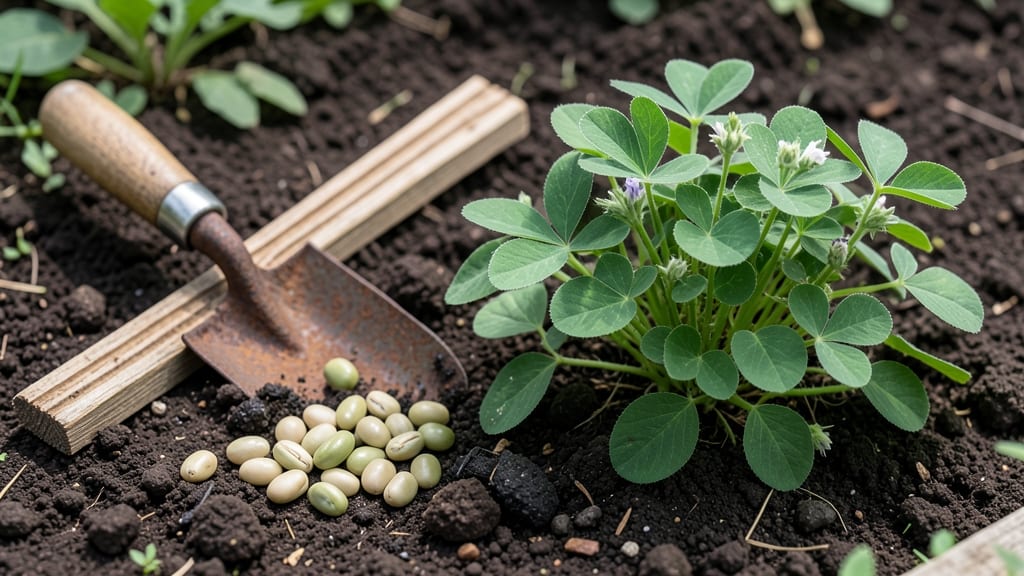
Timing your fava bean planting in Zone 8 could mean the difference between a harvest of sweet, tender pods and a bitter, bolted disappointment.
This cold-hardy 🌱 crop thrives when planted just right—either in fall or early spring—but get the window wrong, and you'll end up with tough, stringy beans before they even mature.
Most gardeners in Zone 8 overlook the subtle but critical temperature cues that signal the perfect moment to plant. Too early in spring, and your beans might bolt before you can enjoy them.
Too late in fall, and frost could cut your harvest short. The key is understanding how to read your local microclimate and adjust planting dates accordingly.
In this guide, I’ll break down the exact months for planting fava beans in Zone 8, including how to avoid common timing mistakes like premature bolting or frost damage. You’ll also discover how succession planting can stretch your harvest window and which companion plants keep pests at bay.
Whether you're a first-time grower or a seasoned gardener, these insights will help you maximize your yield and enjoy homegrown fava beans at their peak flavor. Let’s get started!

Best planting windows for fava beans in Zone 8 to avoid bolting
Fava beans thrive in Zone 8's mild winters, but timing is everything to prevent bitter bolting. Plant too early, and your beans may rot in cold soil; too late, and they’ll race to flower before you taste their nutty-sweet pods.
The key? Soil temps between 40°F-60°F and avoiding spring’s unpredictable warmth.
In Zone 8, the sweet spot is fall (September-October) or early spring (March-April). Fall plantings grow slowly through winter, producing sweet, tender pods by late winter or early spring. Spring plantings risk bolting if temperatures spike too soon—especially in Zone 8’s unpredictable March-April.
Your last-frost date is critical. In most of Zone 8, this falls around January 15, but microclimates vary. Check your local USDA frost maps or plant 4-6 weeks before your average last frost for a 120-day harvest window before summer heat stress.
Here’s the foolproof timeline for Zone 8:
| Planting Window | Soil Temp | Frost Risk | Harvest Time |
|---|---|---|---|
| Late August–September | 50°F–60°F | Low (winter protection) | Late Winter–Early Spring |
| October–November | 40°F–50°F | Moderate (use mulch) | Spring (March–April) |
| March–Early April | 50°F–60°F | None (post-frost) | Late Spring–Early Summer |
| Mid-April+ | 60°F+ | High (bolting risk) | Poor yield, bitter pods |
🌱 Fall plantings avoid spring bolting; spring plantings need shade cloth if temps rise above 70°F.
For fall plantings, aim for 60 days before your first frost (usually mid-November in Zone 8). This gives roots time to establish before winter dormancy. Use row covers if nights dip below 20°F—fava beans tolerate light frost but not prolonged deep freezes.
Spring plantings are trickier. March is ideal, but if your Zone 8 area warms quickly (like coastal regions), plant shade cloth to delay bolting. Avoid April+ plantings unless you’re in a high-altitude Zone 8 with cooler springs—otherwise, expect bitter, fibrous pods in just 60 days.
Pro tip: Test soil temps with a soil thermometer before planting. Fava beans need consistent 50°F+ soil to germinate. If your soil is below 40°F, wait—cold soil delays sprouting and invites rot. Warm soil faster by planting near south-facing fences or using black plastic mulch.
One common mistake? Overestimating Zone 8’s spring. While some areas (like Zone 8a) have mild springs, others (like Zone 8b) can swing from 40°F to 80°F in weeks. Stick to fall or early March for the sweetest, most reliable harvests.
Need a backup? Succession plant every 3 weeks in fall for staggered harvests. Just remember: no summer plantings—fava beans hate heat and bolt within 30 days if temps exceed 75°F. Save those seeds for fall’s cooler air.
Your Zone 8 fava bean calendar should look like this: September-October → Winter → March-April → Harvest. Master this rhythm, and you’ll enjoy tender, sweet pods for months without the bitterness of rushed growth. 🌿
Best planting windows for fava beans in Zone 8 to avoid bolting
Fava beans in Zone 8 thrive when planted during two distinct windows: fall (September–November) and early spring (March–April). These timings align with the plant’s cold tolerance and prevent the bitter bolting that ruins flavor.
Fall plantings let beans mature before winter, while spring plantings avoid the heat stress of late-season growth.
Your local last frost date (typically January 15 in Zone 8) is your anchor. Planting too early in spring risks soil temperatures below 50°F, which delays germination. Too late in fall, and frost (28°F threshold) can damage emerging seedlings before harvest.
| Planting Window | Soil Temp (°F) | Frost Risk | Harvest Window |
|---|---|---|---|
| Fall (Sept–Nov) | 50–70°F | Low (after Jan 15) | Late Winter–Early Spring |
| Early Spring (March–April) | 55–65°F | None (post-frost) | Late Spring–Early Summer |
| ⚠️ Avoid: Late spring (May+) plantings—heat triggers bolting. | |||
For fall plantings, aim for 6–8 weeks before frost (typically by November 1). This gives beans time to establish roots and mature pods before winter. In early spring, wait until soil warms to 55°F—test with a soil thermometer—to ensure quick germination.
Zone 8’s microclimates matter. Coastal areas (e.g., San Diego) can plant later in fall due to milder winters, while inland zones (e.g., Phoenix) should plant earlier to avoid heat. Check your local frost maps (like Almanac’s Zone 8 tools) for precision.
Pro tip: Use row covers to extend fall plantings by 2–3 weeks or protect spring seedlings from unexpected frost. This simple trick adds 30–50% more harvest time without extra effort. Pair with companion plants like onions to deter pests and improve soil nitrogen.
Timing is everything—master these windows, and you’ll enjoy sweet, tender fava beans from winter through summer. 🌱