
Plants
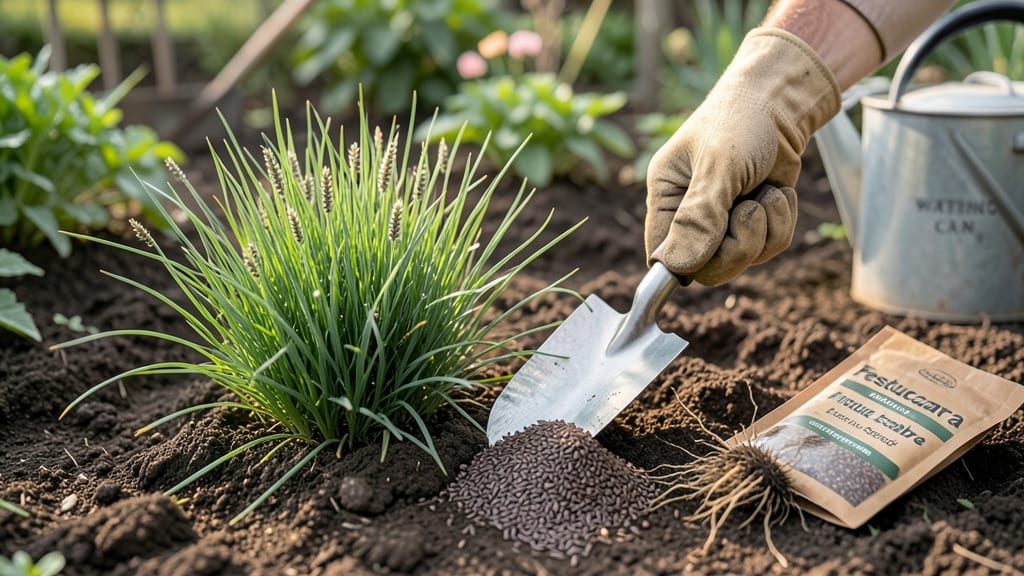
Timing your fescue planting just right in spring can mean the difference between a lush, green lawn and months of patchy, slow growth. The secret isn't just waiting for spring—it's understanding when your soil is truly ready, especially in Zone 6a where frost lingers longer than you might expect.
Planting too early risks seed rot from lingering cold, while waiting too late means summer heat stress before roots take hold. I’ll walk you through the exact soil temperature thresholds (50°F+) and regional adjustments to ensure your 🌱 fescue establishes fast—no guesswork, just science-backed timing.
Whether you're a first-time gardener or a lawn pro, this checklist will help you avoid common mistakes like planting before the ground warms or after weeds take over. Let’s get your grass off to the strongest start possible.
You’ll also discover how to test your soil like a pro, spot the perfect planting window for your area, and keep your new fescue thriving with minimal effort. Ready to transform your lawn this season?
Ideal soil temperature ranges for planting fescue in spring
Cool-season fescue grass thrives when planted in spring soil temperatures between 40°F and 70°F. This range ensures seeds germinate quickly without risking frost damage or summer heat stress. Unlike warm-season grasses, fescue needs cooler conditions to establish strong roots—so timing is everything.
Most gardeners aim for 50°F soil temperature as the sweet spot. At this mark, seeds germinate in 7-14 days and avoid the sluggish growth that happens in colder soil. Warmer soils above 70°F can cause seeds to dry out before sprouting, while temperatures below 40°F delay germination for weeks.
Here’s how to check your soil temperature accurately: Use a soil thermometer (insert 4 inches deep, where seeds will be planted). If you don’t have one, the DIY squeeze test works too—grab a handful of soil.
If it crumbles easily when dry but holds shape when damp, it’s likely in the ideal range.
| Stage | Soil Temp (°F) | Action |
|---|---|---|
| Pre-Planting | Below 40°F | Wait 1-2 weeks |
| Ideal Planting | 40°F–70°F | Plant seeds |
| Post-Planting | Above 70°F | Use shade cloth |
Regional variations matter too. In USDA Zones 3-5, where winters are harsh, aim for planting 4-6 weeks before your last frost date. For Zones 6-8, where springs warm faster, wait until soil hits 50°F consistently—usually late March to early April—to avoid summer drought stress.
Pro tip: If your soil is still cold but you’re eager to plant, cover seeds with lightweight row covers to trap heat. This can raise soil temps by 5-10°F, speeding up germination without risking overheating. Just remove covers once sprouts appear to prevent mold.
Another critical factor is moisture retention. Fescue seeds need consistent moisture to germinate, but soggy soil can cause rot. Water deeply 2-3 times per week until seedlings are 2 inches tall, then taper to 1 inch per week once established.
A mulch layer (straw or compost) helps retain moisture and insulate soil.
For gardeners in southern climates (Zones 7-8), early spring planting can be risky if summer arrives too soon. In these areas, fall planting (September-October) often yields better results, giving grass time to root before winter.
But if you’re committed to spring, focus on shade protection and deep watering to mitigate heat stress.
Finally, test your soil’s pH level—fescue prefers 6.0-7.0. If your soil is too acidic (below 6.0), amend it with lime 4-6 weeks before planting.
For alkaline soil (above 7.0), add sulfur or peat moss. Balanced pH ensures nutrients are available for strong root development.
By mastering these soil temperature cues, you’ll set your fescue up for rapid germination and dense growth—no more patchy lawns! The payoff? A lush, low-maintenance lawn that outshines neighbors’ high-maintenance turf. 🌱
Ideal soil temperature ranges for planting fescue in spring
Fescue grass thrives when planted in soil temperatures between 40°F and 70°F. This cool-season grass needs warmth to germinate but won’t tolerate scorching heat. The sweet spot for spring planting is 50°F to 60°F, where seeds sprout reliably without stress.
In Zone 6a, this typically aligns with late March to early April—but always verify with a soil thermometer.
Why soil temperature matters more than calendar dates? Fescue seeds rot if planted in cold, wet soil (below 40°F) or struggle to establish if soil exceeds 75°F. A soil thermometer (just $10 at garden centers) gives you precise data.
For DIY testing, press your hand into the soil—if it feels lukewarm (like a warm bath), it’s ready.
| Temperature Range (°F) | Planting Window | Risk if Ignored |
|---|---|---|
| Below 40°F | Avoid planting | Seed rot, poor germination |
| 40°F–50°F | Early spring (with caution) | Slow germination, frost damage |
| 50°F–60°F | Ideal planting zone | Optimal growth, fast establishment |
| 60°F–70°F | Late spring (early morning) | Stress, weed competition |
| Above 75°F | Avoid planting | Seed desiccation, poor rooting |
Regional adjustments are critical. In northern zones (3–5), aim for late April to early May when frost risk drops. Meanwhile, southern zones (7–8) can plant as early as February—but monitor for sudden heat spikes.
Pro tip: Check your local USDA Plant Hardiness Zone map and add 4–6 weeks before your last frost date to your planting timeline.
For container-grown fescue, soil warms faster. Plant when daytime temps hit 60°F+ and nights stay above 45°F. Containers also dry out quicker, so water daily until roots establish (about 3 weeks). Mulch with straw to retain moisture and regulate temperature.
Once your soil hits the 50°F threshold, act fast! Fescue seeds germinate in 7–21 days under ideal conditions. Spread seeds evenly (use a broadcast spreader for large areas) and lightly rake to ensure seed-to-soil contact. A thin layer of compost (¼ inch) locks in moisture without smothering sprouts.
After planting, keep soil consistently moist but not soggy. Water lightly daily for the first 2 weeks, then taper to 2–3 times per week once grass reaches 2 inches tall.
Avoid walking on new seedlings—they’re delicate! With the right timing, your 🌱 fescue will thicken in just 6–8 weeks, outcompeting weeds naturally.