
Trees
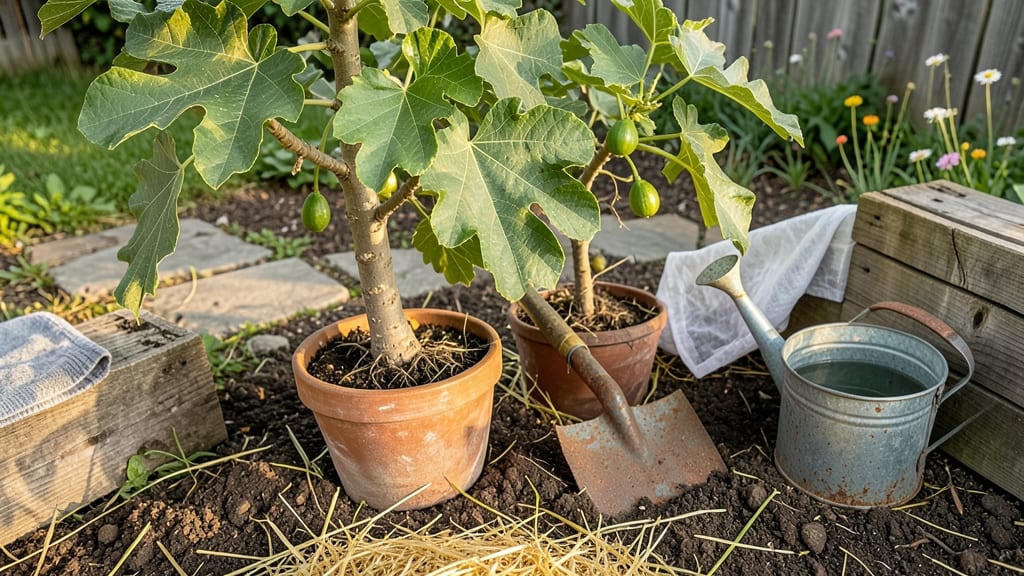
Timing your fig tree planting in North Carolina could mean the difference between a thriving 🍈 harvest and a sad, frost-nipped sapling. With NC's unpredictable spring weather and varying USDA zones from 6b to 8a, getting the window right is everything.
Most gardeners swear by spring planting—after that last frost date around March 15—but fall offers a surprising second chance for established trees. The key lies in understanding your microclimate, whether you're in the coastal humidity or Piedmont's drier air.
In this guide, I'll break down exactly when to plant your fig tree for maximum success, including variety-specific tips and container vs. in-ground strategies. You'll learn how to beat frost, extend your growing season, and choose the perfect spot for your 🍈 to flourish.
Whether you're a first-time fig grower or a seasoned gardener, these insights will help you avoid common mistakes and set your tree up for years of sweet rewards. Let's get those roots in the ground at the perfect time!
North Carolina frost-free dates for planting fig trees by Zone
North Carolina’s humid subtropical climate creates a unique challenge for fig tree growers. Unlike northern states, NC’s USDA Zones 6b-8a experience varying frost risks—coastal areas (Zone 8a) rarely see frost, while the Piedmont (Zone 7a) can hit 20°F in winter.
Timing your planting around last frost dates is critical to avoid cold damage.
For most of NC, the average last frost date falls between March 15 and April 15, but this shifts 1-2 weeks earlier in coastal regions like Wilmington.
In-ground figs should wait until after April 15 in the Piedmont, while container-grown figs can go in as early as March 1 if moved indoors during cold snaps.
Here’s how NC’s microclimates affect planting windows:
| Region | USDA Zone | Last Frost Date | Ideal Planting Window | First Frost Risk |
|---|---|---|---|---|
| Coastal (e.g., Wilmington, Morehead City) | 8a | March 1–15 | March 15–April 30 | Low (rare below 25°F) |
| Piedmont (e.g., Raleigh, Greensboro) | 7a–7b | April 1–15 | April 15–May 15 | Moderate (20–25°F) |
| Mountains (e.g., Asheville, Boone) | 6b–7a | May 1–15 | May 15–June 1 | High (below 20°F) |
*Adjust dates 1–2 weeks earlier for container-grown figs or later for in-ground planting.
Fall planting is also an option for established fig trees. In NC, aim for September 15–October 15, giving roots time to establish before winter. Young trees planted in fall may need winter protection like mulch or frost cloth, especially in Zones 6b–7a.
For container-grown figs, flexibility is key. Move pots indoors or to a garage when nighttime temps drop below 40°F. This extends your growing season by 4–6 weeks compared to in-ground planting, making it ideal for cooler microclimates like the mountains.
Pro tip: Use a soil thermometer to confirm ground temps are above 60°F before planting. Cold soil slows root growth, leaving young figs vulnerable to transplant shock and frost.
If you’re in Zone 7a or cooler, prioritize cold-hardy varieties like ‘Celeste’ or ‘Chicago Hardy’—they tolerate brief dips to 15°F with proper mulching. For Zones 8a and warmer, heat-tolerant types like ‘Brown Turkey’ thrive with minimal frost protection.
Always monitor your local Almanac frost predictions—NC’s humidity can delay frost dates by 1–2 weeks compared to drier regions. When in doubt, err on the side of planting later rather than risking frost damage to tender new growth.
🌱
Best fig tree varieties for NC climate and planting timing
North Carolina's diverse climate—from the coastal plains to the mountain regions—means not all fig varieties thrive equally. Cold-hardy types like 'Celeste' and 'Chicago Hardy' can handle NC's Zone 6b winters, while heat-loving varieties like 'Black Mission' flourish in Zone 8a.
Choosing the right variety isn't just about taste; it's about survival during those unpredictable late frosts or scorching summers.
For spring planting (March-May), prioritize varieties that establish roots quickly. 'Brown Turkey' is a top pick—it's disease-resistant and produces fruit in 1-2 years. If you're planting in fall (September-October), opt for varieties like 'Desert King,' which can handle cooler temperatures better than others.
Always check your local microclimate—coastal areas stay warmer longer, while inland zones may need extra frost protection.
| Variety | Cold Hardiness | Best Planting Month | Fruit Ripens By | Notes |
|---|---|---|---|---|
| Celeste | Zone 6b-8a | March-April | Late August | Cold-hardy, sweet fruit |
| Brown Turkey | Zone 7a-9a | April-May | September-October | Disease-resistant, reliable |
| Chicago Hardy | Zone 5b-8a | September-October | Late September | Tolerates frost, great for containers |
| Black Mission | Zone 8a-10a | April-May | October | Heat-loving, needs protection from frost |
| Desert King | Zone 7a-10a | September-October | September | Drought-tolerant, great for containers |
If you're growing figs in containers, mobility is your best friend. Varieties like 'Celeste' or 'Chicago Hardy' can be moved indoors during winter months or under a frost cloth when temperatures dip below 20°F.
For in-ground planting, focus on well-draining soil—figs hate soggy roots—and choose a spot with full sun exposure (at least 6-8 hours daily).
Pro tip: Mulch heavily around your fig tree in late fall to insulate roots during winter. Use straw or wood chips, keeping it 3-4 inches away from the trunk to prevent rot.
This extra layer can make the difference between a frost-killed tree and one that survives to fruit another year. Always monitor your tree's progress and adjust care as needed—NC's climate keeps us on our toes!
For container growers, remember that smaller varieties like 'Little Miss Figgy' or 'Violette de Bordeaux' are perfect for patios but still need winter protection.
If you're in Zone 7b or colder, consider planting in large pots (15+ gallons) so you can move them to a garage or shed during harsh winters. The key is flexibility—adapt your approach based on your local frost dates and variety.
No matter which variety you choose, patience is key. Figs can take 1-3 years to bear fruit, but once they do, the reward is worth the wait.
Start with a healthy nursery-grown tree, plant at the right time, and give it the care it needs—and you'll be enjoying homegrown figs in no time! 🍈