
Flowers
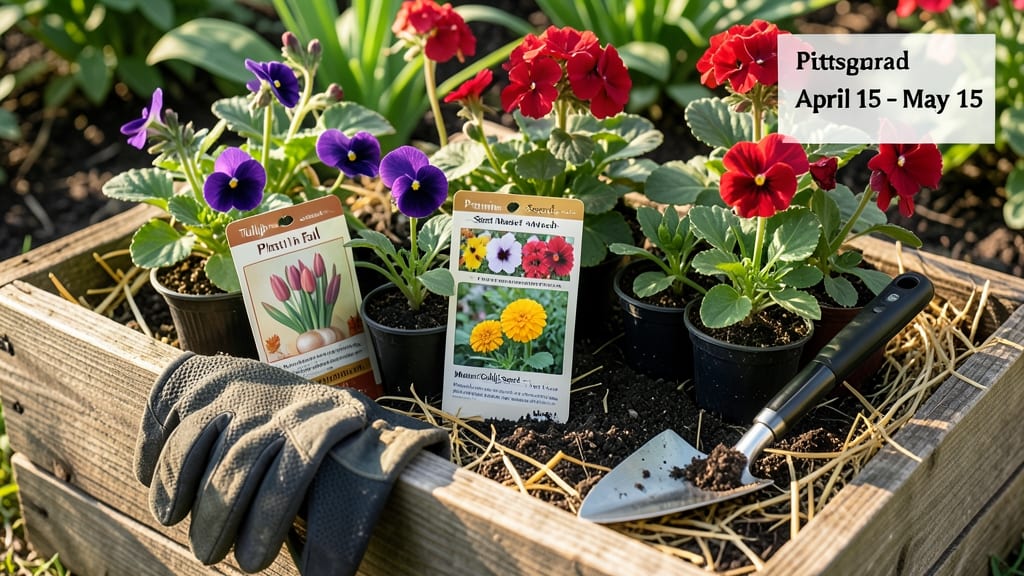
Timing your flowers planting in Pittsburgh isn't just about avoiding frost—it's about unlocking vibrant blooms that thrive all season long. With Pittsburgh's Zone 6a climate, getting the schedule just right means the difference between wilted petals and a garden bursting with color.
Most gardeners make one critical mistake: planting too early or too late, leaving their 🌸 flowers vulnerable to late frosts or stunted growth.
The secret lies in understanding Pittsburgh's unique frost dates—typically around April 15—and how to adjust for the city's microclimates, whether you're gardening in the South Hills or near Mount Washington.
In this guide, I'll break down the exact month-by-month planting windows for annuals, perennials, and bulbs, so you can start your garden with confidence. No more guessing games—just proven timelines tailored to Pittsburgh's unpredictable weather patterns.
Ready to transform your garden into a year-round showstopper? Let's dive into the perfect planting schedule that guarantees zero frost risk and maximum blooms from spring through fall.
Pittsburgh’s frost dates and ideal flower planting windows by month
Pittsburgh’s Zone 6a-6b climate means frost can linger until mid-April, but with the right timing, you can enjoy zero frost risk for your favorite blooms.
The average last frost date is April 15, but urban areas like Downtown may experience frost 2-3 weeks later than rural spots like the South Hills.
To maximize your garden’s potential, I’ve broken down the best planting windows for annuals, perennials, and bulbs—aligned with Pittsburgh’s frost-free season. This ensures your flowers thrive without the risk of late-season frost damage or overheating in summer.
🌱 Pittsburgh Flower Planting Timeline
| 📅 Month | 🌸 Flower Type | 🌡️ Soil Temp | ⏰ Planting Window | ☀️ Sun Needs |
|---|---|---|---|---|
| 🌱 February | 🌷 Spring Bulbs (Tulips, Daffodils) | 40-50°F | Late Feb - Early March | Full Sun |
| 🌿 March | 🌼 Cool-Season Annuals (Pansies, Snapdragons) | 45-55°F | Mid-March (after soil thaws) | Partial Shade |
| 🌸 April | 🌻 Heat-Tolerant Annuals (Marigolds, Zinnias) | 50-60°F | After April 15 (last frost) | Full Sun |
| 🌳 May | 🌺 Perennials (Coneflowers, Black-Eyed Susans) | 55-65°F | Early May (soil warm) | Full Sun to Partial Shade |
| 🍂 September | 🌼 Fall Bulbs (Crocuses, Hyacinths) | 50-60°F | Late Sept - Early Oct | Full Sun |
| 🍁 October | 🌿 Hardy Perennials (Daylilies, Sedum) | 45-55°F | Before first frost (Nov 1) | Partial Shade |
⚠️ Pro Tip: Use a soil thermometer to confirm 50°F+ soil temps before planting heat-loving flowers.
For annual flowers like petunias or geraniums, wait until after April 15—but if you’re in a cooler microclimate (like Mount Washington), push planting to May 1 to avoid frost. Cool-season flowers, such as pansies or violas, can handle light frosts and should be planted in March.
If you’re planting perennials, early spring (April) or fall (September-October) are ideal. This gives roots time to establish before summer heat or winter dormancy. For example, coneflowers and black-eyed Susans thrive when planted in early May, while daylilies can handle fall planting until mid-October.
Bulbs are a Pittsburgh gardener’s secret
How to adjust planting times for Pittsburgh’s microclimates and unpredictable weather
Pittsburgh’s urban sprawl and varied elevations create microclimates that can shift planting windows by weeks. For example, the South Hills often enjoy warmer conditions than downtown, while Mount Washington can experience frost up to 2 weeks later than the city center.
These differences mean a one-size-fits-all approach won’t work—you’ll need to adjust your timing based on your specific location.
Start by identifying your local microclimate. Urban areas with pavement and buildings trap heat, creating "heat islands" that can allow you to plant heat-loving annuals like marigolds or zinnias 1-2 weeks earlier than rural areas.
Conversely, higher elevations or shaded spots may require waiting until May 1 or later for frost-sensitive plants.
Use soil thermometers to track when the ground reaches 50°F—the ideal temperature for most flower seeds to germinate. In Pittsburgh, this often happens between mid-April and early May, but your exact timing may vary.
For example, if you’re in the North Hills, wait until May 10 to plant tender annuals like petunias, while downtown gardeners can start as early as April 25.
🚨 WARNING: Late frosts are Pittsburgh’s biggest threat to early plantings. Even after the average last frost date of April 15, temperatures can dip below freezing. Use row covers or cold frames to protect seedlings until the threat of frost passes completely.
For extra safety, plant cool-season flowers like pansies or snapdragons in early September for fall blooms—they thrive in cooler temperatures and can handle light frosts.
⚠️ Microclimate Adjustments for Pittsburgh
Don’t rely on average frost dates—Pittsburgh’s weather is unpredictable. Here’s how to adapt:
- 🏙️ Urban Heat Islands: Plant heat-loving flowers (e.g., lantana, salvia) 2 weeks early in paved areas.
- 🏔️ Higher Elevations: Delay planting tender annuals (e.g., geraniums, impatiens) until May 10 or later.
- 🌳 Shaded Spots: Choose partial-shade flowers (e.g., coleus, impatiens) and plant them 1 week after sun-loving varieties.
- 🌡️ Soil Temperature: Wait until soil reaches 50°F—use a thermometer to avoid false starts.
🌱 Pro Tip: Monitor local forecasts and use the Penn State Extension frost calendar for real-time updates.
For container gardening, you have even more flexibility. Pots warm up faster than garden beds, so you can start planting potted flowers like geraniums or petunias as early as April 1 in protected areas.
Just be prepared to move containers indoors or under cover if a late frost is forecasted. If you’re unsure, opt for cold-hardy annuals like calendula or sweet alyssum, which can handle light frosts and give you an earlier start.
Finally, keep an eye on local weather patterns. Pittsburgh’s weather can shift dramatically—what feels like spring one week can turn icy the next. Sign up for NOAA alerts or follow local gardening groups on social media for real-time updates.
With these adjustments, you’ll avoid the heartbreak of frost-damaged blooms and enjoy a garden that thrives all season long.