
Flowers
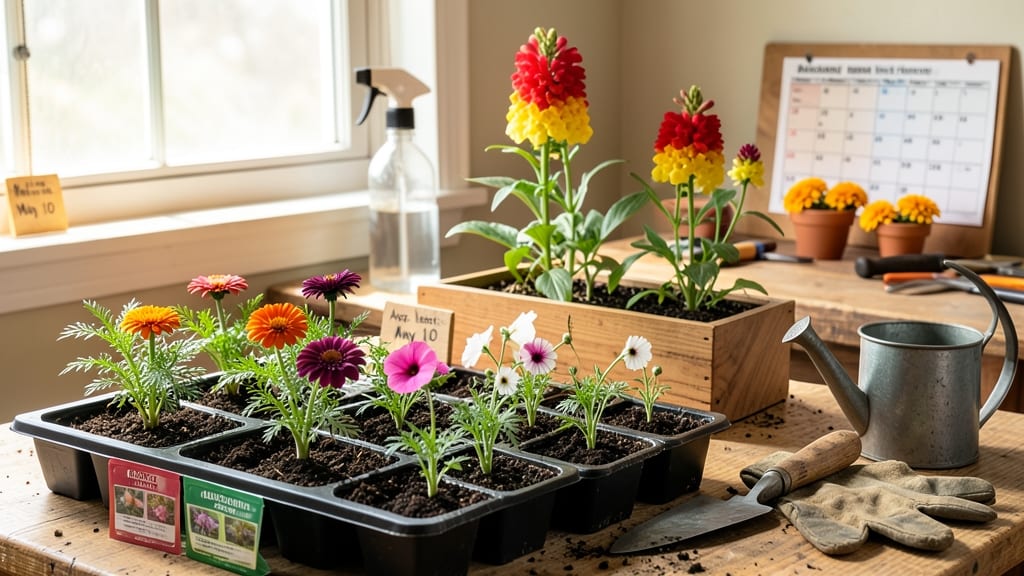
If you've ever watched your 🌸 flower seeds wither under an unexpected frost or bloom too late for summer's full glory, you know when to plant flower seeds in Massachusetts is everything in gardening.
The difference between a vibrant garden and a sad, frost-killed disappointment often comes down to knowing exactly when to plant.
Massachusetts gardeners in zones 5b-7a face unique challenges—from early spring frosts to unpredictable late-season weather. But with the right deadlines, you can beat the clock and enjoy blooms from April through October. Let me show you how to align your planting schedule with nature's rhythm.
Whether you're starting seeds indoors 6-8 weeks before the last frost or sowing directly into the soil after mid-April, this guide will help you avoid common mistakes. We'll cover both spring and fall planting windows, plus pro tips to extend your season without risking frost damage.
Ready to transform your garden into a year-round spectacle? Let's dive into the zone-specific planting deadlines that will give you the longest, most reliable blooms in Massachusetts—no guesswork required.
Massachusetts frost dates by zone: critical deadlines for planting flower seeds
Massachusetts spans USDA Zones 5b-7a, meaning frost dates vary dramatically between western hills and coastal areas.
In Zone 5b (Western MA), like Worcester or Springfield, the average last frost arrives around May 15, while Zone 7a (Eastern MA), such as Boston or Cape Cod, typically sees frost-free soil by April 15.
These dates are your planting deadlines—miss them, and you risk losing tender seedlings to late frosts.
For annual flowers, start seeds indoors 6-8 weeks before your zone's last frost date. In Zone 5b, that means late February to early March, while Zone 7a gardeners can begin mid-January.
This head start ensures robust seedlings ready for transplanting after frost danger, usually by May 1 in western MA and April 15 in the east.
Perennial flowers, like coneflowers or black-eyed Susans, are hardier and can handle direct sowing 2-4 weeks before last frost. In Zone 6 (Central MA), that’s around April 1, while coastal gardeners can start as early as mid-March.
These perennials establish roots early, giving them a competitive edge against weeds and pests.
🌱 Massachusetts Flower Seed Planting Timeline
| Zone & Location | Last Frost Date | Indoor Start (Annuals) | Outdoor Transplant | Direct Sow (Perennials) |
|---|---|---|---|---|
| Zone 5b (Western MA: Worcester, Springfield) | May 15 | Late Feb - Early Mar | May 1 - May 15 | April 1 - April 15 |
| Zone 6 (Central MA: Boston, Worcester) | May 1 | Mid-Jan - Late Feb | April 15 - May 1 | March 15 - April 1 |
| Zone 7a (Eastern MA: Cape Cod, Providence) | April 15 | Mid-Jan - Early Feb | April 1 - April 15 | Mid-Mar - Late Mar |
Don’t rely solely on average frost dates—check the National Weather Service or local Cooperative Extension Service for yearly updates. In 2023, for example, Boston’s last frost occurred May 10, two weeks later than average.
Use frost-sensitive flowers, like petunias or geraniums, as your canary in the coal mine—if they survive, your garden is safe.
For fall planting, aim to sow seeds 8-10 weeks before your first frost, typically mid-August to early September in MA. Cool-season flowers like pansies or snapdragons thrive in fall’s mild temperatures and often bloom longer than spring-planted varieties.
Just be sure to choose fast-growing varieties to avoid early frosts.
If you’re unsure about your exact last frost date, use the 50-degree rule: Wait until soil temperatures consistently stay above 50°F at night. A simple soil thermometer (just $10) will save you from frost-killed seedlings.
Pro tip: Test in the morning—soil cools overnight, and you want to ensure daytime warmth isn’t misleading.
For high-altitude areas (e.g., Berkshires), add 2-3 weeks to these timelines. Elevation delays warmth, so start seeds indoors earlier and transplant later. Conversely, coastal areas warm faster—don’t rush to plant in March, even if the air feels mild. Cold soil and wind exposure can still damage young plants.
Plan for succession planting to extend your bloom season. Sow quick-growing annuals, like bachelor’s buttons or cosmos, every 2-3 weeks from May to July. This ensures continuous color until first frost. Just mark your planting dates on a calendar—missed deadlines mean missed blooms!
Remember: Frost dates shift yearly, but your planting windows don’t have to. By aligning with these zone-specific deadlines, you’ll maximize blooms and minimize losses. Now, grab
Massachusetts frost dates by zone: critical deadlines for planting flower seeds
Massachusetts spans USDA zones 5b-7a, meaning your last frost date can vary by up to 2 weeks depending on whether you're in Western MA (5b-6) or Eastern MA (6-7a).
For most gardeners, the average last frost date falls around mid-April, but coastal areas like Cape Cod may see frost-free soil as early as early April.
To maximize your blooms, align your planting with these zone-specific deadlines. Start cool-season flowers like pansies and snapdragons indoors by late February for outdoor transplanting by late April. For warm-season favorites like zinnias and sunflowers, wait until after May 15th to avoid frost damage.
Here’s your zone-by-zone planting timeline for flower seeds, including indoor starting windows and outdoor transplant dates:
| Zone | Last Frost Date | Indoor Start (Cool-Season) | Outdoor Transplant | Direct Sow Warm-Season |
|---|---|---|---|---|
| 5b (Western MA) | Mid-April | Late February | Late April | After May 15 |
| 6 (Central MA) | Early April | Early March | Early April | After May 1 |
| 7a (Eastern MA) | Early April | Early March | Early April | After April 20 |
For annual flowers, like marigolds or cosmos, direct sow after your last frost date for faster blooms. Perennials, such as coneflowers or black-eyed Susans, can handle earlier transplanting (as early as late March in zone 7a) because they establish deeper roots over time.
Pro tip: Use row covers or cold frames to extend your outdoor planting window by 2-3 weeks in early spring. This lets you transplant tender seedlings like geraniums or impatiens earlier, giving them a head start before summer heat arrives.
Remember, fall planting is just as critical! Cool-season flowers like calendula and nasturtiums thrive when sown in late August for blooms through October. Just aim to plant them 6-8 weeks before your first frost (typically late October in MA).
Now that you’ve got your zone-specific deadlines locked in, you’re ready to avoid the most common mistakes—like planting warm-season flowers too early or missing the fall window for cool-season blooms. Let’s move on to the best flower seeds for Massachusetts’ climate and how to maximize their potential.