
Flowers
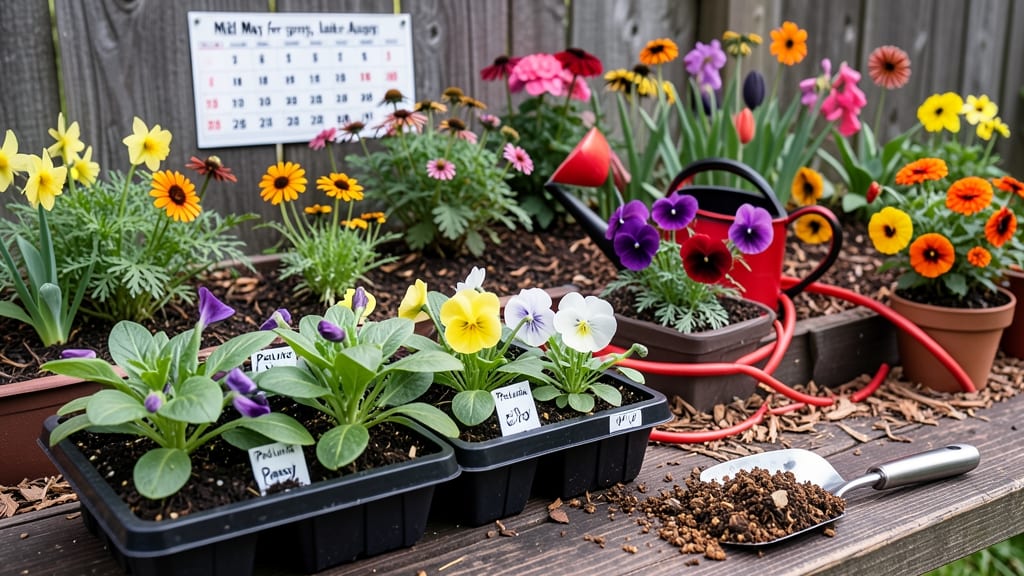
Timing your when to plant flowers in Rhode Island can mean the difference between a garden bursting with color and one that barely makes it through the season.
With Zone 6b's unpredictable coastal breezes and early frosts, getting those bulbs and seeds in the ground at just the right moment is the key to success.
Most gardeners in Rhode Island know the struggle—plant too early, and a late frost will nip your blooms before they even peek above the soil. Wait too long, and you might miss the March-May window when the earth warms enough for seeds to sprout reliably.
The solution? A smart planting strategy that accounts for your specific microclimate, whether you're near the ocean or inland.
I’ve spent years perfecting my own garden in Rhode Island, and what I’ve learned will help you avoid common mistakes.
From cool-season daffodils that thrive when planted in fall to heat-loving petunias that need to wait until after the last frost, I’ll break down exactly when to plant each type for maximum blooms.
Ready to transform your yard into a vibrant display? Let’s dive into the perfect planting schedule tailored to Rhode Island’s unique growing conditions—so you can enjoy flowers from spring through fall without the guesswork.
Best flower planting schedule for Rhode Island’s Zone 6b frost dates
Rhode Island’s Zone 6b climate means your last frost date hovers around April 15, while the first frost typically arrives by October 15. These dates create a 165-day growing season, so timing is everything.
Plant too early, and frost will kill tender seedlings; too late, and you’ll miss summer blooms entirely.
Your planting schedule should revolve around two key windows: early spring (for cold-hardy varieties) and late summer (for fall-blooming annuals). Coastal areas like Newport may have slightly milder conditions, while inland spots like Providence can experience earlier frosts. Always check your local microclimate for precision.
For annual flowers, wait until after the last frost to plant seeds or transplants. Perennials and spring-blooming bulbs (like tulips or daffodils) should be planted in fall or early spring to establish roots before summer heat. Let’s break down the best times for each category.
| Plant Type | Best Planting Window | Notes |
|---|---|---|
| Spring-Blooming Bulbs | Fall (Oct) or Early Spring (March) | Plant bulbs 6-8 weeks before frost for spring blooms. Tulips, daffodils, hyacinths. |
| Cool-Season Annuals | March-April (after frost) | Pansies, snapdragons, sweet peas. Direct sow after last frost or start indoors in Feb. |
| Warm-Season Annuals | May-June (after soil warms) | Petunias, marigolds, zinnias. Wait until soil reaches 60°F and night temps stay above 50°F. |
| Perennials | Spring (April-May) or Fall (Sept) | Coneflowers, black-eyed Susans, lavender. Fall planting gives roots time to establish. |
| Fall-Blooming Annuals | August-September | Chrysanthemums, asters, cosmos. Plant 8-10 weeks before first frost for late-season color. |
If you’re starting seeds indoors, begin 6-8 weeks before your target outdoor planting date. For example, sow petunia seeds indoors in March to transplant outside in late May. This head start gives them a competitive edge against weeds and pests.
For container gardening, you can push boundaries slightly. Containers warm up faster and drain better, so you might plant tender annuals like geraniums a week earlier than in-ground plants. Just be prepared to cover them if a late frost sneaks in.
Remember, soil temperature matters more than air temperature. Use a soil thermometer to confirm it’s at least 60°F before planting warm-season flowers. Cool, wet soil can stunt growth or even kill seedlings.
Pro tip: Mark your calendar for May 15 as your final cutoff for planting warm-season annuals. After that, focus on succession planting or fall-blooming varieties to keep your garden vibrant through October.
Finally, keep an eye on Rhode Island’s coastal winds, especially in exposed areas. Wind can dry out soil and stress young plants, so mulch heavily and consider windbreaks for delicate flowers like dahlias or tall sunflowers.
Best flower planting schedule for Rhode Island’s Zone 6b frost dates
Rhode Island’s Zone 6b climate means your flower planting timeline hinges on two critical dates: the average last frost (April 15) and first frost (October 15). Coastal areas like Newport may experience slightly later frosts, while inland regions like Providence might see earlier cold snaps.
Aligning your planting schedule with these dates ensures your flowers establish roots before summer heat or winter chill arrives.
For cool-season flowers, like pansies and snapdragons, start seeds indoors 8-10 weeks before the last frost (mid-February). Transplant seedlings outdoors 2-3 weeks before April 15 to give them time to harden off.
Warm-season varieties, such as marigolds and zinnias, should wait until after May 1, when soil temperatures consistently reach 60°F.
🌱 Rhode Island Flower Planting Timeline
| Stage | Action | Notes |
|---|---|---|
| February | Start cool-season seeds indoors | Pansies, violas, snapdragons |
| March | Plant spring-blooming bulbs | Daffodils, tulips (6-8 weeks before frost) |
| April | Transplant hardy seedlings outdoors | After April 15, when frost risk drops |
| May | Plant warm-season flowers | Marigolds, zinnias, petunias (soil 60°F+) |
| August-September | Sow fall-blooming seeds | Cosmos, asters, chrysanthemums |
Bulbs like daffodils and tulips should be planted in late September to early November for spring blooms. This timing allows roots to establish before winter dormancy. For perennials, divide and transplant in early spring or fall—avoid summer heat stress. Mulch after planting to insulate roots and retain moisture.
If you’re unsure about your local frost dates, use a soil thermometer to confirm when temperatures stabilize above 50°F for planting warm-season flowers. Coastal areas may have 1-2 weeks later frost dates than inland spots, so adjust accordingly.
For example, Block Island might safely plant marigolds by May 10, while Providence could wait until May 15.
Pro tip: Use row covers or cold frames to extend your planting window for frost-sensitive varieties like geraniums or impatiens. These tools can push your last planting date into mid-May without risking frost damage. Always monitor local weather forecasts—unpredictable late-spring frosts can still occur in early April.
For annuals with long growing seasons, like sunflowers, start seeds directly in the garden after May 15. These varieties thrive with Rhode Island’s hot, humid summers and can handle the heat better than tender perennials.
Pair them with drought-tolerant flowers, such as lavender or Russian sage, to reduce watering demands during peak summer months.