
Flowers
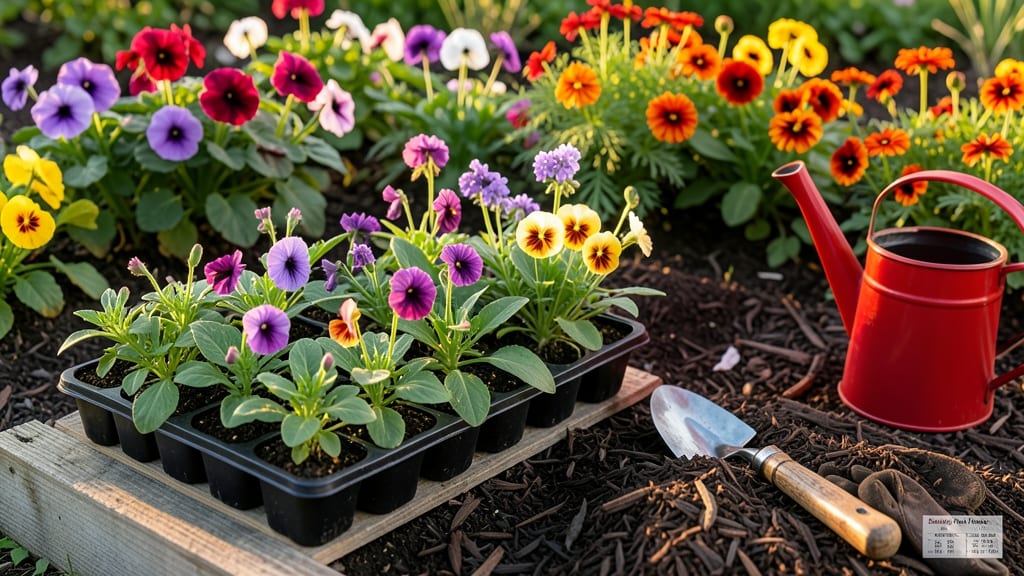
Timing your when to plant flowers in Seattle isn’t just about following a calendar—it’s about mastering the delicate balance between coastal chill and inland warmth.
With USDA Zone 8a conditions and unpredictable microclimates, getting the window right means the difference between a garden bursting with 🌸 and one that struggles to take root.
Most gardeners know spring is prime planting season, but Seattle’s last frost date around March 15 throws a wrench into the plan.
Whether you’re in the milder coastal areas or the slightly warmer inland zones, knowing exactly when to prep your soil and which flowers thrive in each microclimate is the key to success.
I’ve tested what works in Seattle’s wet, mild climate—from hardy perennials that bloom year-round to annuals that need precise timing. Let me walk you through the best months to plant, how to adjust for sudden temperature swings, and which native flowers will reward you with vibrant blooms all season long.
Ready to turn your garden into a showstopper? Let’s dive into the exact planting schedule that’ll have your flowers thriving, no matter where in Seattle you live.
Seattle flower planting calendar: coastal vs inland timing differences
Seattle’s microclimates create a gardening puzzle—coastal areas stay cooler and wetter, while inland zones warm up faster. Understanding these differences ensures your flowers thrive despite Seattle’s unpredictable weather.
The last frost date (around March 15) marks the start of spring planting, but inland areas may be ready 2-3 weeks earlier.
For annual flowers, like petunias or zinnias, aim to plant after April 1 in coastal zones. Inland gardeners can start mid-March for faster blooms. Perennials, such as lavender or black-eyed Susans, benefit from fall planting (September-October) to establish roots before winter.
Here’s how to navigate Seattle’s planting windows with precision:
| Month | Coastal Zone (Milder) | Inland Zone (Warmer) | Key Notes |
|---|---|---|---|
| February | Start hardy bulbs (tulips, daffodils) | Plant pansies or snapdragons in sheltered spots | Coastal soil stays cold; wait for 50°F soil temps. |
| March | Plant cool-season annuals (pansies, sweet peas) | Direct-sow marigolds or nasturtiums | Inland: 2-3 weeks ahead of coastal planting. |
| April | Transplant tomatoes, peppers, and annual flowers | Plant geraniums or cosmos after last frost | Coastal: Wait until April 15 for safety. |
| May | Direct-sow sunflowers and zinnias | Plant dahlias and canterbury bells | Both zones: Mulch to retain moisture. |
| September | Plant fall bloomers (asters, chrysanthemums) | Sow snapdragons or stock for winter color | Inland: September 1 is ideal; coastal waits until September 15. |
| October | Plant spring bulbs (tulips, hyacinths) | Add winter pansies for year-round color | Both zones: Protect from early frosts. |
Seattle’s first frost typically hits November 15, but inland areas may see frost 1-2 weeks earlier. Use row covers or black plastic mulch to extend the season for tender flowers like impatiens or begonias. For perennials, divide and transplant in early spring (March) or fall (September-October).
Soil preparation is key: Test your soil in early spring (March) and amend with compost to improve drainage. Coastal gardens often need organic matter to counteract clay-heavy soils, while inland areas may benefit from sand to prevent compaction. Always water deeply after planting to help roots establish.
Pro tip: Check the University of Washington’s AgWeatherNet for real-time frost forecasts. This tool helps adjust planting times based on localized temperature shifts. For container gardening, you can plant 2-3 weeks later than in-ground flowers, as pots warm up faster.
Seattle’s rainy season (October-April) means well-draining soil is non-negotiable. Amend heavy soils with perlite or <
Best flowers to plant in Seattle by season: coastal and inland picks
Seattle’s diverse microclimates mean your coastal garden near Puget Sound thrives with different flowers than your inland spot in Bellevue. Let’s break down the best seasonal blooms for each zone, focusing on native plants and low-maintenance varieties that handle our wet springs and mild summers.
Whether you love bold annuals or hardy perennials, these picks will keep your garden buzzing with color.
For coastal Seattle (milder, wetter), prioritize flowers that tolerate partial shade and consistent moisture. Think heuchera, lupine, and dahlias—all of which thrive in USDA Zone 8a with minimal fuss.
Inland areas, like Redmond or Kirkland, can handle drought-tolerant options like lavender and Russian sage, which bask in full sun and warmer microclimates.
Spring (March–May) is your prime time for bulbs and early bloomers. Coastal gardens shine with daffodils and tulips (plant in October–November for spring color), while inland spots welcome peony and iris, which love the drier soil. Don’t overlook native columbines—they’re deer-resistant and drought-tolerant once established.
🌸 Seasonal Flower Guide for Seattle
- 🌼 Daffodils (Coastal)
- 💐 Peony (Inland)
- 🌷 Columbine (Native)
- 🌻 Black-eyed Susan (Drought-tolerant)
- 🌺 Lavender (Inland)
- 🌸 Dahlias (Coastal)
- 🌼 Chrysanthemums (Hardy)
- 🍁 Sedum (Drought-resistant)
- 🌷 Russian Sage (Inland)
- ❄️ Hellebore (Evergreen)
- ❄️ Winter Aconite (Early bloomer)
- ❄️ Camellias (Coastal)
Native and drought-tolerant picks thrive in Seattle’s microclimates with minimal care.
Summer (June–August) is all about bold, sun-loving annuals. Inland gardens dry out faster, so opt for lavender, salvia, or blanket flower, which need little water once established.
Coastal areas can handle hydrangeas and impatiens, which love the shadier, moister conditions. Pro tip: Deadhead spent blooms to encourage continuous flowering all season.
Fall (September–November) is your second-chance planting window. Cool-season flowers like chrysanthemums and pansies thrive in cooler temps and longer daylight. Inland spots can still handle Russian sage and sedum, which add late-season color before winter.
Don’t forget bulbs like tulips—plant them in fall for spring blooms the next year.
Even winter (December–February) isn’t a dead zone in Seattle! Evergreen flowers like camellias and hellebores keep your garden lush and colorful year-round. Coastal areas benefit from protection from wind, while inland spots can experiment with winter jasmine for early spring fragrance.
Plan ahead by mulching heavily to insulate roots during chilly snaps.
For busy gardeners, focus on perennials like hostas and daylilies—they return year after year with minimal effort. If you love annuals for instant color, stick to petunias (coastal) or marigolds (inland) for easy, vibrant displays.
Remember: Native plants like Oregon grape and sword fern are low-maintenance and support local pollinators.