
Plants
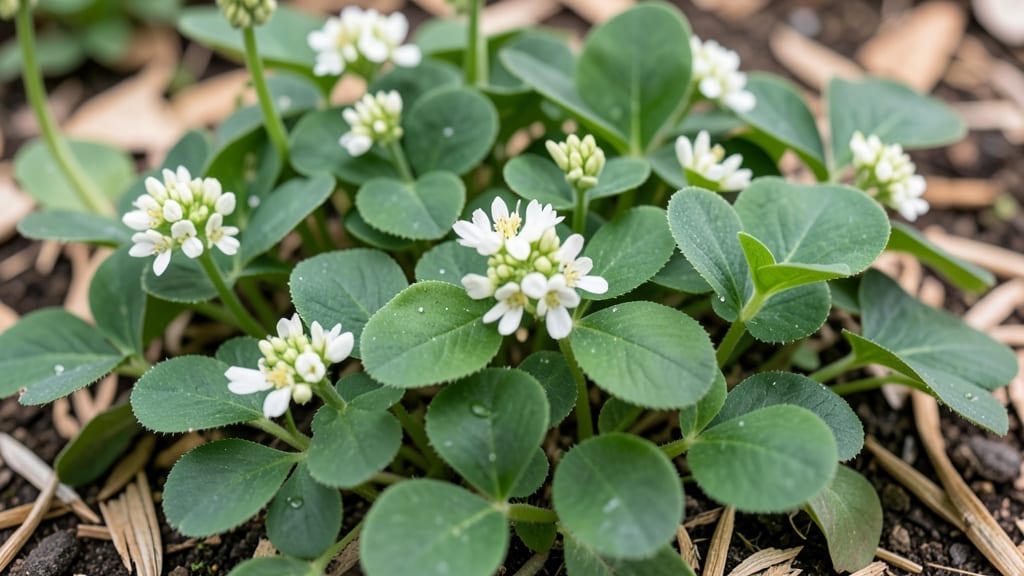
If you're wondering when to plant food plots for deer in Georgia, timing could make or break your hunting season success. The right planting window ensures your 🦌🌱 thrives while aligning with deer feeding patterns, keeping them on your property longer.
Georgia's 7b-8b climate gives you two prime opportunities: late summer to early fall (August-October) or early spring (February-March). Fall planting often delivers faster results since deer are already hungry before winter, but spring offers a different set of advantages for long-term growth.
I'll break down exactly which crops perform best in each season, how to prep your soil for maximum deer attraction, and why some landowners still miss the mark despite their best efforts.
By the end, you'll know exactly when to hit the field for plots that work harder than you do.
Whether you're planting clover blends or brassicas, understanding these seasonal strategies could mean the difference between a quiet stand and a full freezer. Let's get started with the timing that matters most.
Georgia’s ideal food plot planting windows: spring vs. fall timing explained
Georgia’s USDA Zones 7b-8b create a unique window for planting food plots that deer will devour year-round. The best planting times are early spring (February-March) and late fall (October-November), aligning with deer's natural feeding rhythms.
Spring plots provide fresh forage as deer recover from winter, while fall plots offer late-season nutrition before harsh weather arrives.
Deer activity peaks in Georgia’s hunting seasons—spring (April) and fall (November)—so timing your planting to match these windows ensures maximum deer traffic. In spring, focus on cool-season crops like wheat and rye, while fall is perfect for warm-season clovers and brassicas.
Let’s break down the ideal planting months and why they work.
🌱
📅 Georgia Food Plot Planting Comparison
| Season | Best Months | Soil Prep | Moisture Needs | Deer Activity |
|---|---|---|---|---|
| Spring | February-March | Test pH (6.0-7.0), amend with lime if needed | Moderate (deep watering) | High (rut prep, fawn rearing) |
| Fall | October-November | Aerate compacted soil, add compost | Low (natural rainfall) | Very High (peak hunting season) |
🌿 Pro Tip: Plant fall plots 6-8 weeks before first frost (typically mid-October) for optimal deer attraction during hunting season.
Spring planting (February-March) is ideal for cool-season annuals like wheat, rye, and oats. These crops establish quickly in Georgia’s mild winters and provide early-season forage when deer are most active.
The key is to plant before soil temperatures rise above 60°F, which can stress young seedlings. Use a no-till drill for precise seeding and minimal soil disruption.
Fall planting (October-November) targets warm-season crops like clover, brassicas, and chicory. These plants thrive in Georgia’s warm soil and provide late-season nutrition as deer bulk up for winter.
Aim to plant 4-6 weeks before frost to ensure establishment before cold weather sets in. Fall plots also offer winter cover, which deer rely on during harsh conditions.
Soil preparation is critical for success. Before planting, conduct a soil test to check pH levels—Georgia’s acidic soils often need lime amendments (target pH 6.0-7.0). Add compost or organic matter to improve soil structure, especially in compacted or clay-heavy areas.
Tilling in 1-2 inches of compost before planting boosts nutrient availability and water retention.
Moisture management varies by season. Spring-planted crops need consistent watering (1-2 inches per week) until established, while fall plots often rely on natural rainfall. Avoid overwatering in fall, as waterlogged soil can stunt growth before frost.
Mulch with straw or wood chips to retain moisture and suppress weeds, especially in dry Georgia summers.
Deer behavior shifts with the seasons, so align your planting schedule with their natural feeding patterns. In spring, deer seek high-protein forage to support antler growth and fawn rearing.
Fall plots should focus on energy-rich crops like brassicas and clover blends, which deer graze heavily before the November hunting season. Rotate crops annually to prevent soil depletion and keep deer interested.
🦌🌱
One common mistake is planting too late in spring, which can result in poor establishment as soil temperatures rise. Similarly, fall planting too close to frost leaves crops vulnerable to cold damage.
Use a planting calendar tailored to Georgia’s climate zones to stay on track. For example, in Zone 7b, aim for March 1st for spring planting and October 15th for fall.
Monitor deer activity closely after planting. Look for feeding signs like broken stems, tracks, and rub marks. Adjust your planting strategy based on what deer prefer—if they ignore a plot, try a different crop mix or location. Success often comes down to observation and adaptability, not just timing.
Georgia’s ideal food plot planting windows: spring vs. fall timing explained
Georgia’s 7b-8b climate gives you two clear windows for planting deer food plots: early spring (February-March) and late fall (October-November). Each season offers unique advantages, but timing directly impacts forage quality and deer activity. Let me break down why these windows work best and how to maximize their potential.
For fall planting, aim for late September through October—this gives crops like clover and brassicas time to establish roots before winter. The key is beating the first frost (November 15 in most of Georgia) while ensuring soil temperatures stay above 60°F for germination.
Fall plots often produce faster results because deer are already hungry before winter.
Spring planting shifts to February-March, right after the last frost (March 15). This window works best for cool-season crops like wheat and rye, which thrive in Georgia’s mild spring temperatures.
The trade-off? Spring plots may take longer to mature, but they provide summer and fall forage when natural food sources dwindle.
Both seasons require soil prep—test your pH (aim for 6.0-7.0) and amend with lime if needed. Fall plots benefit from deep tillage to break up compacted soil, while spring plots need light disking to preserve moisture.
I’ve found that adding compost or aged manure in fall boosts microbial activity, giving spring crops a head start.
Pro tip: If you plant in fall, focus on brassicas (turnips, radishes) for quick deer attraction. For spring, clover blends and wheat provide long-term forage. Rotate crops yearly to prevent soil depletion and keep deer interested—variety is the secret weapon in Georgia’s food plot strategy.
Missed timing? Don’t panic. Even late spring plantings (April) can work for warm-season crops like sorghum-sudangrass, though deer may not use them until late summer. The key is adapting to Georgia’s 210 frost-free days—plan your plots like a whitetail’s feeding calendar.