
Trees
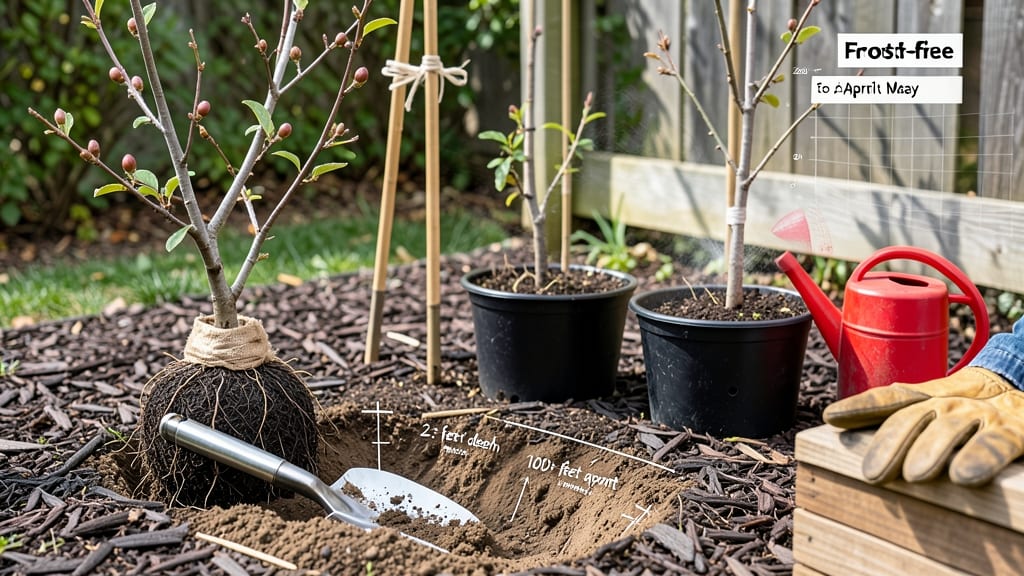
Timing your fruit tree 🍎 planting in Zone 5 can make or break your orchard's success—and getting it wrong might leave you with struggling saplings or frost-damaged roots.
With Zone 5's unpredictable winters and short growing seasons, planting too early risks freeze-thaw damage, while waiting too long can leave trees struggling to establish before dormancy. Whether you're planting bare-root saplings or container-grown varieties, the right window matters more than you might think.
In this guide, I'll break down the ideal spring and fall planting windows for different fruit types—from stone fruits like peaches to pome fruits like apples—plus how to adjust for your local microclimate. You'll learn exactly when to plant for maximum survival and future harvests.
Ready to set your fruit trees up for success? Let's dive into the critical deadlines and pro tips that will help your orchard thrive in Zone 5's challenging climate.

Zone 5 fruit tree planting deadlines: spring vs fall timing by variety
Zone 5’s short growing season and unpredictable frost dates demand precision when planting fruit trees. The wrong timing can lead to root heaving from freeze-thaw cycles or poor establishment before winter dormancy.
Unlike warmer climates, Zone 5 gardeners must account for soil temperature thresholds and variety-specific dormancy needs—stone fruits, pome fruits, and berries all have distinct windows.
Spring planting in Zone 5 typically runs from early April to May, while fall offers a September to November window. However, these dates shift based on whether you’re planting bare-root saplings or container-grown trees.
For example, peaches and plums need warmer soil to root, while apples and pears can tolerate cooler spring conditions. Below, we break down the exact deadlines by fruit type, including soil temperature triggers and critical considerations to avoid common mistakes.
Notice how blueberries have the strictest rules: they cannot be planted in spring due to their acid-loving soil needs. Instead, they thrive when planted in late summer after the soil has warmed but before the first frost.
This timing allows their roots to establish before winter dormancy, reducing transplant shock. For stone fruits like peaches, the soil temperature threshold of 45–55°F is critical—planting too early in cold, wet soil can suffocate roots and lead to rot.
Fall planting is often preferred for Zone 5 gardeners because it gives trees time to establish roots before dormancy. However, the window is narrow: planting too late (e.g., after mid-October) risks frost damage to newly forming roots.
For apples and pears, fall planting is ideal because their container-grown roots adapt better to cooler soil than bare-root trees. Always check your local last frost date—Zone 5’s range from mid-October to November, so adjust accordingly.
One common misconception is that all fruit trees can be planted in either season. However, stone fruits (peaches, cherries) are highly sensitive to spring planting if the soil remains soggy.
Their roots need well-drained conditions to avoid root rot, which is why many Zone 5 growers opt for fall planting for these varieties. For berries like raspberries, the key is planting before September 15 to ensure roots harden off before winter.
Pro tip: Use a soil thermometer to verify temperatures before planting. For stone fruits, wait until the soil reaches 50°F at a 6-inch depth. For pome fruits, 45°F is sufficient. This small step can prevent transplant shock and improve survival rates by up to 30%. 🌱
If you’re unsure about your local frost dates, check the USDA Plant Hardiness Zone Map and supplement with data from your local cooperative extension service. For example, Chicago (Zone 5b) has later frost dates than Buffalo (Zone 5a), so planting deadlines shift by 1–2 weeks.
Always err on the side of earlier planting in spring or sooner in fall to give your trees the best chance to thrive.
Finally, consider your tree’s maturity stage. Bare-root trees planted in fall need 6–8 weeks to establish before dormancy, while container-grown trees can handle slightly later fall plantings.
For young saplings, focus on root development over fruit production in their first year—patience pays off with stronger, more productive trees in years to come. 🌳
Zone 5 fruit tree planting deadlines: spring vs fall timing by variety
Planting fruit trees in Zone 5 requires precision—timing can determine whether your trees thrive or struggle through the first critical year. Unlike warmer climates, Zone 5's short growing season and unpredictable frost dates demand careful planning.
The best windows are either early spring (just after last frost) or fall (6-8 weeks before hard freeze), but not all fruit types follow the same schedule.
Stone fruits like peaches and cherries are delicate and need specific conditions, while apples and pears offer more flexibility. Berries like blueberries have unique rules—planting them at the wrong time can lead to failure.
Let’s break down the exact windows and critical factors for each type to ensure your trees get off to the best start.
| Fruit Type | Spring Planting Window (Zone 5) | Fall Planting Window (Zone 5) | Key Considerations | Soil Temp Threshold (°F) |
|---|---|---|---|---|
| Stone Fruits (Peaches, Cherries, Plums) | Late April–early May (after last frost) | Early September–mid-October (6–8 weeks before hard freeze) | Plant bare-root; avoid wet soil in spring | 45–55 |
| Pome Fruits (Apples, Pears) | Early April–mid-May (bud swell stage) | Late September–early November (before leaf drop) | Container-grown preferred in spring; bare-root in fall | 40–50 |
| Berries (Blueberries, Raspberries) | Early May (after soil warms) | Late August–early September (avoid late fall) | Blueberries never plant in spring; acidify soil first | 50+ (blueberries) |
The soil temperature is your best guide for timing. For stone fruits, wait until soil reaches 45–55°F—this ensures roots won’t freeze after planting. Pome fruits can tolerate slightly cooler soil (40–50°F), making them easier to plant in early spring.
Meanwhile, berries like blueberries need warmer soil (50°F+) and must be planted in fall to avoid spring stress.
Fall planting is often preferred in Zone 5 because trees establish roots before winter dormancy, giving them a head start in spring. However, stone fruits planted too late in fall may not harden off properly, while berries planted after early September risk frost damage before roots settle.
Always check your local last frost date and adjust accordingly—Zone 5’s first frost can arrive as early as mid-October.
Pro tip: Use a soil thermometer to monitor temperatures. If you’re planting in spring and soil is still cold, consider container-grown trees instead of bare-root, as they adapt better to cooler conditions.
For fall, aim to plant 6–8 weeks before hard freeze—this gives roots time to establish without risking winter heaving.