
Plants
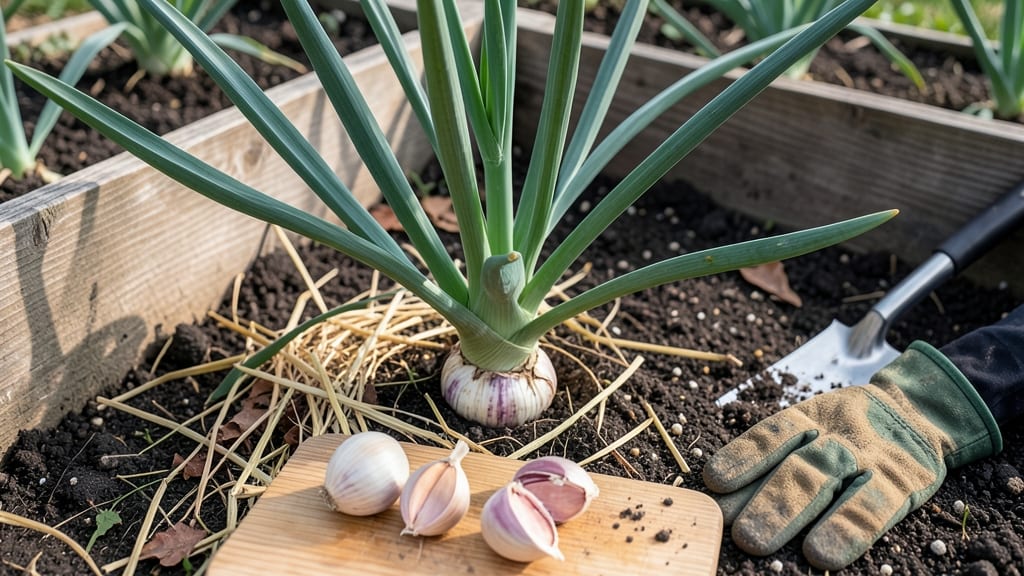
If you've ever wondered when to plant garlic in North Dakota, the answer isn't as complicated as you might think—it's all about timing your 🧄 just right for the state's unique climate.
North Dakota's short growing season and cold winters might seem intimidating, but with the right approach, you can grow hardy garlic that thrives even in zones 3b-4b.
The key to success lies in planting garlic in the fall, specifically between late September and early October. This timing allows the cloves to establish roots before the ground freezes, setting the stage for a robust harvest the following summer.
Unlike warmer climates, spring planting simply doesn't work as well in North Dakota's chilly conditions.
What makes this even more exciting is that North Dakota's cold-hardy varieties can actually benefit from winter's chill. The cold period helps break down starches in the cloves, leading to larger, more flavorful bulbs by harvest time.
With the right preparation and a few pro tips, you'll be well on your way to growing garlic that's perfect for your kitchen.
Let me walk you through the exact steps to time your planting perfectly, from checking soil temperatures to choosing the best varieties for your garden. You'll discover how to turn North Dakota's challenging climate into your garlic-growing advantage.
Best planting months for garlic in North Dakota’s climate
North Dakota’s short growing season and frigid winters demand precise timing for garlic planting. Unlike warmer climates, garlic here thrives when planted in fall, not spring.
The key window is late September to early October, allowing cloves to root before winter dormancy. This timing ensures bulbs develop properly despite Zone 3-4 conditions.
Why fall? Garlic needs 6-8 weeks of cold (below 40°F) to form bulbs. ND’s first hard frost typically arrives by mid-October, so planting 4-6 weeks before this date gives cloves time to establish roots. For example, in Fargo (Zone 4a), aim for September 25-October 10.
Soil temperature is critical. Plant when soil reaches 40-50°F—warmer than this, and cloves may sprout too early. Use a soil thermometer to check depths of 4-6 inches. In western ND (Zone 3b), like Dickinson, plant 2-3 weeks earlier due to colder microclimates.
Missed the fall window? You can try spring planting, but yields are 50% smaller. Plant in early April once soil warms to 45°F, but bulbs won’t mature fully before frost. For best results, stick to fall planting and choose hardy varieties like 'German White' or 'Music'.
| Timing Factor | North Dakota Specification | Action Step |
|---|---|---|
| Planting Window | Late September–early October | Plant 4–6 weeks before hard frost |
| Soil Temperature | 40–50°F (4–6" depth) | Use a soil thermometer to verify |
| Cold Requirement | 6–8 weeks below 40°F | Essential for bulb formation |
| Zone Adjustments | Zone 3b: 2–3 weeks earlier | Account for microclimates |
| Spring Backup | Early April (reduced yield) | Only for missed fall plantings |
North Dakota’s variable frost dates complicate timing. Check local NDSU Extension frost maps or plant when daytime highs consistently drop below 50°F. For example, Minot (Zone 4a) may have 2 weeks later frost dates than Grand Forks (Zone 3b), so adjust accordingly.
Pro tip: Mark your calendar for October 15, the average last frost date in most of ND. Planting 4 weeks before (early October) ensures cloves root before winter. Use rocky soil? Amend beds with compost to improve drainage—garlic hates soggy conditions.
Ever wondered why some gardeners plant garlic in November? It’s risky but works if soil stays above freezing. In southern ND (Zone 4b), like Jamestown, November plantings can succeed, but northern areas (Zone 3b) risk cloves rotting. When in doubt, plant earlier—you can’t rush bulb development.
Mulching plays a crucial role. After planting, apply 4–6 inches of straw to insulate cloves. This protects them from freeze-thaw cycles and vole damage. Remove mulch in early spring (March) to allow soil warming. Without mulch, cloves may heave out of the ground during ND’s harsh winters.
Remember: Garlic planted in fall yields larger, more flavorful bulbs than spring-planted garlic. With ND’s short growing season, timing is everything. Start early, monitor soil temps, and choose cold-hardy varieties—your harvest in July will thank you!
Best planting months for garlic in North Dakota’s climate
Garlic thrives in North Dakota’s Zone 3-4 climate when planted at the right time—typically between late September and early October. This window ensures your cloves experience 6-8 weeks of cold stratification before winter, which triggers bulb formation.
Planting too early risks rot, while waiting too long may stunt growth before the first frost.
North Dakota’s average first frost date falls around October 15, so aim to plant 4-6 weeks before this date. For example, if your area typically freezes by October 20, plant between September 20 and October 5.
This timing aligns with soil temperatures dropping to 40-50°F, ideal for garlic establishment.
🌱 North Dakota Garlic Planting Timeline
| Stage | Action | Key Details |
|---|---|---|
| Soil Prep | Test pH (6.0-7.0) | Add compost if needed |
| Planting Window | Late Sept-Early Oct | 4-6 weeks before frost |
| Planting Depth | 2 inches deep | Pointy end up, 6" apart |
| Mulching | Straw or leaves | 3-4 inches thick |
| Harvest Time | Mid-July next year | Lower leaves brown |
📌 Pro Tip: Use a soil thermometer to confirm 40-50°F soil temps before planting.
Microclimates play a critical role in North Dakota. Southern regions (Zone 4a) like Fargo can plant slightly later (early October), while northern areas (Zone 3b) such as Grand Forks should plant by mid-September to avoid early freezes.
Check your last frost date and adjust accordingly—this is your golden rule for success.
If you miss the fall window, spring planting is possible but yields will be smaller. Plant in March or early April when soil reaches 40°F, but expect bulbs to mature 4-6 weeks later than fall-planted garlic. This method works best for green garlic or scapes rather than full bulbs.
North Dakota’s rocky, clay-heavy soils can delay warming in spring. To compensate, plant in slightly raised beds or amend soil with compost or sand to improve drainage. This helps prevent rot and uneven growth, common issues in ND’s heavy soils.
Remember: Patience is key. Garlic planted in fall won’t emerge until spring, but this dormancy period is essential for developing large, flavorful bulbs. Mark your planting spots clearly to avoid accidentally disturbing them during winter snow removal.