
Plants
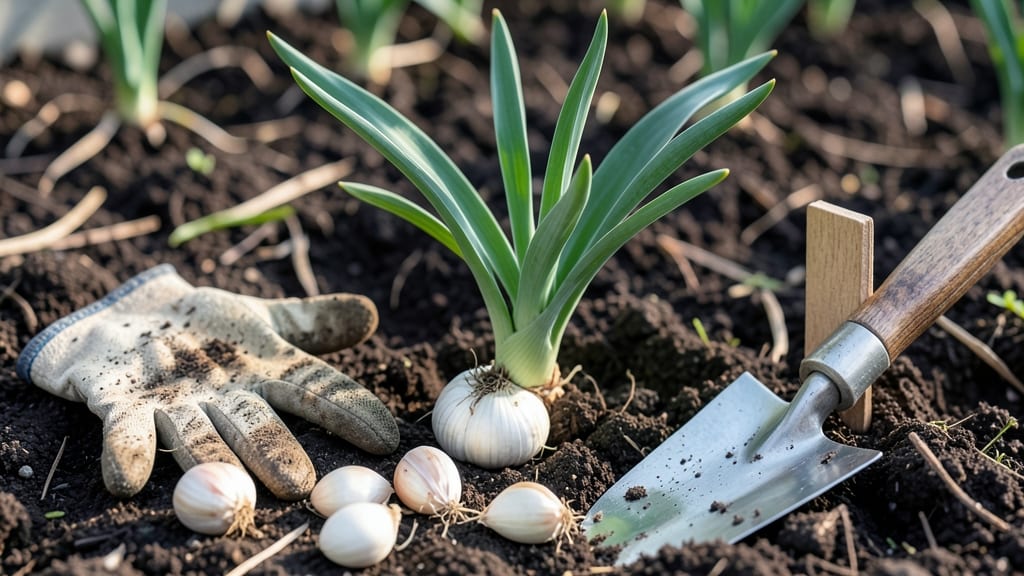
Timing your 🧄 garlic planting in Tennessee isn’t just about throwing cloves in the ground—it’s the key to avoiding winter heaving and securing those plump, flavorful bulbs by summer.
Whether you’re in cooler Zone 6a or warmer Zone 8b, getting the timing right means the difference between a thriving crop and a sad, shriveled mess.
Most gardeners in Tennessee know fall is the magic window—typically between October and November—but the exact date depends on your microclimate and whether you’re growing hardneck or softneck varieties.
Hardnecks, like 'Music' or 'Chesnok Red', need a cold snap to form those prized scapes, while softnecks are a little more forgiving. I’ll break down the best planting dates for your specific zone so you don’t miss the boat.
Here’s the game-changer: planting too early can lead to rot, while waiting too long risks frost damage. We’ll cover how to adjust for late falls, urban heat islands, and even those pesky unpredictable TN weather patterns that can throw off your best-laid plans.
No more guessing—just actionable steps to set your garlic up for success.
Ready to grow bold, healthy garlic that’ll make your neighbors jealous? Let’s dive into the exact timing, soil prep, and variety-specific tricks that’ll have you harvesting by mid-summer—just in time for those fresh sizzling garlic butter recipes. You’ve got this!
Best fall planting window for garlic in Tennessee’s climate zones
Tennessee’s diverse climate—spanning USDA zones 6b through 8a—means garlic planting timing varies by region. For hardneck varieties (the best choice for TN), aim to plant 4-6 weeks before the first hard frost. This window typically falls between mid-October and mid-November, but exact dates depend on your zone.
In Zone 6b (e.g., Nashville, Chattanooga), plant between October 15 and November 1. For Zone 7b (Memphis, Knoxville), extend the window to November 1-15. Gardeners in Zone 8a (e.g., Chattanooga’s higher elevations) can plant as late as December 1, but avoid planting after the ground freezes.
Soil temperature is critical—garlic cloves need 40-50°F soil to sprout. Use a soil thermometer to confirm readiness. If temperatures drop below freezing before planting, wait until conditions stabilize to avoid rot.
Moon phases also influence success. Planting during the waning moon (after the full moon) encourages root growth, ideal for garlic’s bulb development. Check lunar calendars for TN-specific timing adjustments.
For softneck varieties, which are less cold-hardy, plant in late fall (November-December) or even early spring (February-March). However, hardnecks yield larger bulbs in TN’s climate, making them the preferred choice.
Pro tip: Use last frost dates as a guideline, not a rule. TN’s unpredictable weather means frost can arrive early or late. Monitor local forecasts and adjust planting dates accordingly.
| Zone | Ideal Planting Window | Soil Temp Threshold | Key Consideration |
|---|---|---|---|
| 6b (Nashville, Chattanooga) | Oct 15–Nov 1 | 40–50°F | First frost typically Nov 15 |
| 7a (Middle TN) | Oct 30–Nov 10 | 45–50°F | Milder winters; extend window |
| 7b (Memphis, Knoxville) | Nov 1–Nov 15 | 40–45°F | Watch for early frosts |
| 8a (Chattanooga elevations) | Nov 15–Dec 1 | 40–42°F | Late frosts possible; plant early |
If you miss the fall window, don’t despair. TN gardeners can plant garlic in early spring (February-March), though bulbs may be smaller. This method works best for softneck varieties or if you’re experimenting with green garlic harvests.
For hardnecks, fall planting is non-negotiable for bulb development. The key is balancing cold exposure (needed for bulb formation) with frost avoidance (which can damage emerging shoots). Aim for 60-80 days of cold temperatures below 40°F after planting.
Use mulch (straw or leaves) to insulate planted cloves and protect them from winter heaving. This technique also regulates soil temperature, preventing premature sprouting in mild winters.
Remember: Earlier planting = larger bulbs, but don’t plant so early that cloves rot in warm soil. The sweet spot is cool but not frozen soil—ideal for hardneck garlic’s dormancy needs.
Best fall planting window for garlic in Tennessee’s climate zones
Tennessee’s diverse climate zones (USDA 6b to 8a) create a tricky puzzle for garlic growers. The golden rule is to plant 4-6 weeks before the ground freezes, but that window shifts dramatically from the cool Appalachian highlands to the warmer Nashville basin.
In Zone 6b (e.g., Knoxville), aim for mid-October to early November, while Zone 7b (e.g., Memphis) can stretch planting until late November. Zone 8a (e.g., Chattanooga’s southern reaches) might even squeeze in a December planting if your winters are mild.
Soil temperature is your secret weapon—garlic roots need below 50°F (10°C) to establish before winter. Use a soil thermometer to confirm: if temps drop below 40°F (4°C) consistently, it’s time to plant.
Pro tip: Moon phases matter too! Planting during the waning moon (after the full moon) encourages root growth, which is perfect for hardnecks that need deep root systems to survive TN winters.
Here’s the catch: Hardneck varieties (like 'Music' or 'German White') demand cold vernalization—they need 40-60 days below 40°F (4°C) to form those prized scapes. Softnecks (like 'Silverskin') are more flexible but still thrive with consistent chilling.
If you’re in Zone 8a, you might need to chill bulbs artificially for 6 weeks before planting to mimic winter conditions.
Miss the fall window? Don’t panic! Softneck varieties can sometimes tolerate spring planting (March-April), though bulbs will be smaller. Hardnecks planted in spring rarely form scapes or bulbs worth harvesting. For TN gardeners, fall planting is non-negotiable if you want that bold, flavorful garlic we all crave.
One more pro move: Test your soil pH before planting—garlic loves 6.0-7.0. If your soil is too acidic, add lime in early fall to give roots time to adjust.
TN’s clay-heavy soils in places like Middle Tennessee often need compost or sand to improve drainage, or your cloves will rot before winter even arrives.
Ready to mark your calendar? Grab your soil thermometer, check the moon phase, and get those cloves in the ground before November 15th in most of TN. Your future self (and your taste buds) will thank you when harvest time rolls around in July! 🧄