
Plants
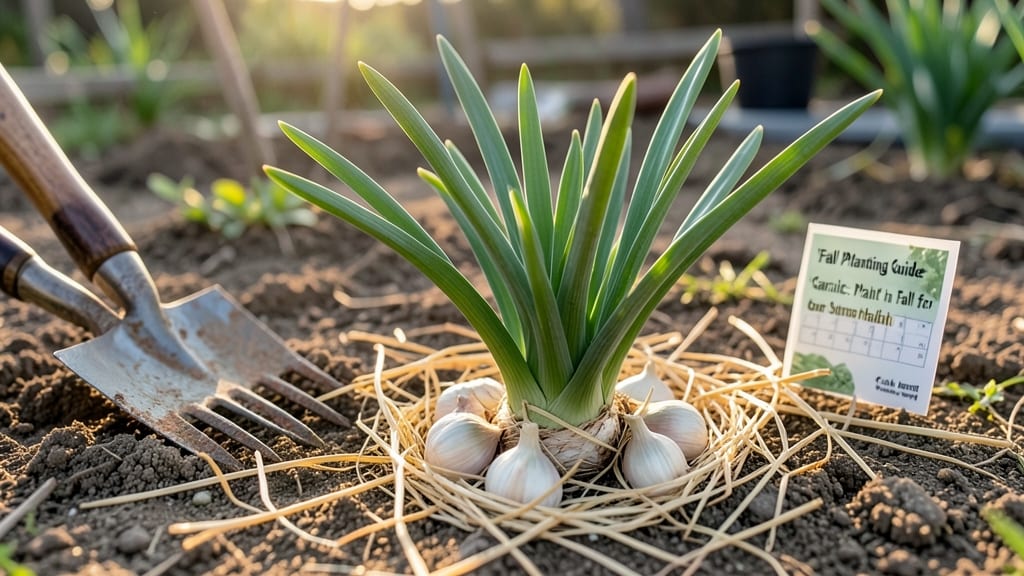
Timing your garlic planting in Zone 5a could make or break your harvest—get it wrong, and you might end up with weak, underdeveloped bulbs instead of the robust 🧄 harvest you’re dreaming of.
Most gardeners assume spring is the only time to plant garlic, but in Zone 5a, fall planting is actually the gold standard for strong roots. The key is getting those cloves in the ground 4-6 weeks before the first frost, usually between late September and early October.
Why does this matter? Because garlic needs time to establish roots before the ground freezes solid. In Zone 5a, where winters are cold, planting too late means your garlic won’t have enough time to develop the energy reserves it needs for a bigger, healthier harvest next summer.
In this guide, I’ll walk you through the exact window to plant, how to prep your soil for success, and what to watch for to ensure your garlic thrives—so you can enjoy fresh, flavorful bulbs from late June to early July.

Optimal fall planting window for garlic in Zone 5a
In Zone 5a, the best time to plant garlic is during a 4-6 week window before the ground freezes. This typically falls between mid-October and early November, but the exact timing depends on soil temperature more than calendar dates.
Garlic needs cold weather to develop strong roots before dormancy sets in.
Unlike spring-planted garlic, which often produces smaller bulbs, fall-planted garlic in Zone 5a benefits from the winter chill. This process, called vernalization, triggers bulb formation.
If you plant too early, the cloves may sprout and get damaged by frost. Planting too late means the roots won’t establish before the ground freezes.
Use a soil thermometer to check when temperatures consistently drop below 40°F (4°C). This is your cue to start planting. In Zone 5a, this usually aligns with late September to early October, but always verify with local frost dates.
For reference, the USDA Plant Hardiness Zone 5a has an average first frost date of October 15 and a last frost date of May 15. Aim to plant garlic 6 weeks before the first hard frost to give it enough time to root before winter sets in.
| Stage | Action | Key Details |
|---|---|---|
| Soil Prep | Test soil pH (6.0-7.0) | Use a soil test kit or send a sample to your local extension office. |
| Planting Window | Mid-October to early November | Plant when soil temps are below 40°F (4°C). |
| Depth | 2 inches deep | Point the root end down and cover with soil. |
| Spacing | 4-6 inches apart | Rows should be 12 inches apart for easy harvest. |
| Mulch | Apply 2-3 inches of mulch | Use straw or leaves to insulate roots. |
If you miss the fall window, you can still plant garlic in early spring (March or April), but the bulbs will be smaller. Spring-planted garlic skips the vernalization process, so it won’t develop as fully. For the best harvest in Zone 5a, always prioritize fall planting.
Another key factor is garlic variety. Hardneck varieties, like Rocky Mountain or Silverskin, thrive in colder climates like Zone 5a. Softneck varieties, such as Artichoke, are better suited for warmer zones. Choose hardneck for your climate to ensure success.
After planting, monitor the soil for consistent moisture but avoid waterlogging. Once the ground freezes, reduce watering to prevent rot. In spring, resume watering as the garlic begins to grow. By late June to early July, your garlic should be ready for harvest.
Pro tip: Mark your planting spots with stakes or flags so you don’t accidentally dig them up in the spring when other crops are being planted. Garlic can be confused with weeds if left unmarked!
Finally, remember that Zone 5a’s short growing season is no match for well-timed garlic. With the right preparation, you’ll enjoy a bountiful harvest of plump, flavorful bulbs every year. Happy planting! 🧄
Optimal fall planting window for garlic in Zone 5a
In Zone 5a, the perfect time to plant garlic is between mid-October and early November, giving the bulbs 4-6 weeks to establish roots before the ground freezes. This window ensures your garlic develops strong roots while still benefiting from cooler fall temperatures, which are ideal for growth.
Unlike spring planting, fall planting allows the garlic to focus on root development rather than leafy top growth, leading to larger, more flavorful bulbs the following summer.
Don’t rely solely on calendar dates—soil temperature is your best indicator. Aim to plant when soil temps drop to below 40°F (4°C). In Zone 5a, this typically aligns with late September to early October, but frost dates can shift yearly.
Check your local USDA Plant Hardiness Zone frost calendar for precise timing, as early frosts can throw off your schedule.
If you’re new to garlic planting, here’s a quick rule of thumb: Plant garlic when your lawn stops growing and the air feels crisp in the mornings. This natural signal often matches the ideal soil conditions.
For example, in Chicago (Zone 5a), gardeners usually plant by October 15th, while in Boston (also Zone 5a), the window might extend slightly later due to coastal influences.
| Stage | Action | Key Details |
|---|---|---|
| Soil Prep | Test pH (6.0-7.0) | Use a soil test kit; amend with lime if needed. |
| Planting Window | 4-6 weeks before frost | Zone 5a: Mid-October to early November. |
| Soil Temperature | Below 40°F (4°C) | Use a soil thermometer for accuracy. |
| Planting Depth | 2 inches deep | Pointy end up, 1 inch of soil over cloves. |
| Spacing | 4-6 inches apart | Rows should be 12 inches apart for easy access. |
One common mistake is planting garlic too early in Zone 5a. If you plant in August or early September, the garlic may start sending up leafy shoots before the first frost, which weakens the bulbs.
The goal is to let the garlic focus on roots during the fall and early winter, storing energy for next year’s harvest. Think of it like tucking your garlic in for a long winter nap—roots first, leaves later.
If you miss the fall window, you can still plant garlic in early spring (March or April), but the bulbs will be smaller and less flavorful. Spring-planted garlic grows quickly to take advantage of warm weather, but it lacks the root development time that fall planting provides.
For the best results, stick to fall planting in Zone 5a and enjoy plump, robust bulbs by next summer.
Pro tip: Mark your calendar or set a reminder for October 1st in Zone 5a—this is your last chance to plant garlic for a full harvest. If you’re unsure about frost dates, err on the side of planting earlier rather than later.
Garlic is hardy and can handle cold, but it can’t recover if planted too late and the ground freezes before roots establish.