
Plants
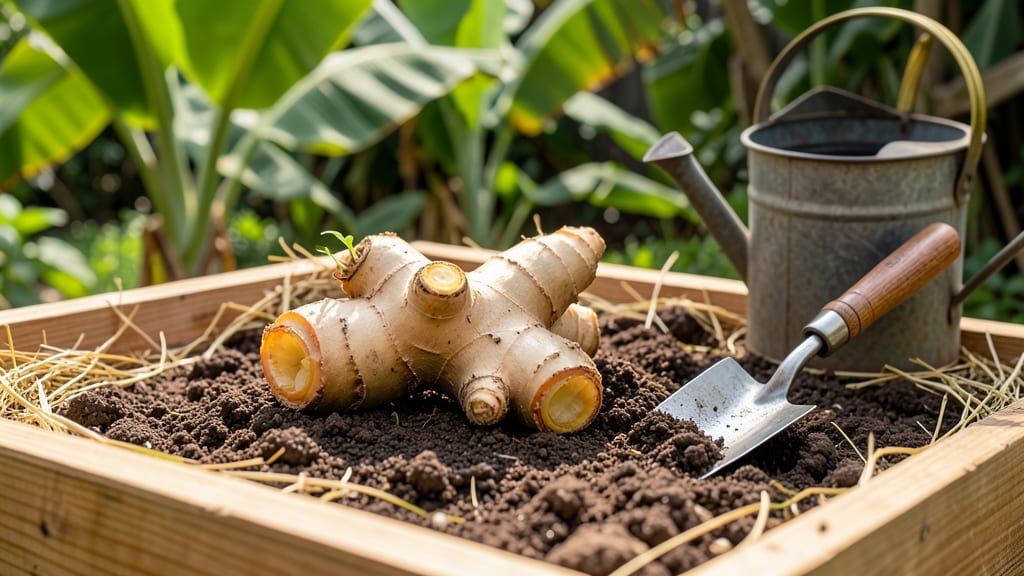
If you’ve ever wondered when to plant ginger in California without risking frost damage, the answer isn’t as simple as “spring” or “fall”—it’s all about your microclimate. California’s diverse zones (coastal, inland, desert) mean your neighbors might be harvesting while you’re still planning, or vice versa.
Ginger 🌿 thrives in USDA Zones 9-11, but even within those, frost dates vary wildly. Coastal gardeners in 9b-10a can plant almost year-round, while inland areas (like 9a-9b) need to time it right to avoid surprise chills.
The key? Understanding your last frost date and how ginger’s tropical roots handle California’s quirks.
In this guide, I’ll break down the best months to plant for your exact zone—whether you’re in frost-free deserts or coastal areas where winter brings a whisper of cold. You’ll also learn how to stretch the growing season so you’re not racing against time for that perfect harvest.
Ready to grow ginger like a pro? Let’s dive into the timing that’ll give you plump, aromatic rhizomes—no guesswork required.
Best months to plant ginger in California by climate Zone
Ginger thrives in California’s diverse climates, but the best planting months depend on your USDA zone and microclimate. Coastal regions like San Francisco (Zone 9b-10a) enjoy milder winters, while inland areas like Sacramento (Zone 9a-9b) face occasional frost.
Desert zones like Phoenix (Zone 10a-11) have no frost risk year-round. Let’s break it down by region to ensure your ginger rhizomes grow strong and productive.
In coastal California, where frost is rare but humidity lingers, the ideal planting window stretches from September through March. This timing avoids the dampest winter months while giving rhizomes time to establish before summer heat.
For inland valleys, where frost can hit as early as November 15, plant between March and October to sidestep cold snaps. Desert gardeners in Southern California can plant anytime, but November to February yields the best harvests by avoiding extreme summer heat.
Ginger is a tropical plant, so it craves warmth. The minimum soil temperature for planting should be 60°F (15°C) or higher. In cooler inland zones, wait until the ground warms in late spring (May) to avoid stunted growth.
Coastal gardeners can start as early as September—just ensure your soil drains well to prevent root rot in winter’s occasional rains.
Here’s a quick reference for California’s three key ginger-growing regions, including soil prep tips and frost-free windows:
For high-altitude gardens (e.g., Lake Tahoe area, Zone 7), treat ginger like an annual. Start rhizomes indoors in February and transplant after the last frost (around May 15).
Use black plastic mulch to warm the soil and extend the season. In these areas, harvest before the first frost in November—ginger won’t survive freezing temperatures.
Pro tip: If you’re growing ginger for ornamental foliage (not harvest), you can plant anytime in frost-free zones. But for maximum rhizome yield, stick to the cooler months when growth slows naturally, preventing leggy stems.
In desert zones, avoid summer planting—the intense heat stresses rhizomes and reduces harvest size.
One common mistake is assuming "year-round" means anytime. In reality, temperature consistency is key. Ginger grows best when soil temps stay between 65–85°F (18–29°C). If you plant in peak summer (June–August) in inland zones, the rhizomes may bake in the heat and produce smaller yields.
Always check your local microclimate—just a few miles inland can mean 10°F temperature swings.
🌱
How to extend ginger growing season in California’s variable climates
California’s diverse microclimates mean your ginger’s success hinges on adapting to your specific zone. While coastal areas like San Diego (Zone 10a) can grow ginger year-round, inland spots like Sacramento (Zone 9a) face frost risks from November to February. The solution? Extending the growing season with simple, effective strategies.
Ginger’s tropical roots hate cold, but with the right tools, you can push your harvest window by 3–6 months. Whether you’re in frost-prone valleys or desert heat zones, these methods will keep your plants thriving when nature tries to shut them down.
⚠️ NON-NEGOTIABLE: Ginger rhizomes cannot tolerate temperatures below 50°F (10°C). Below that, growth stalls, and roots rot. Your goal? Keep soil temps above 55°F (13°C) at all times.
5 Proven Ways to Extend Your Ginger Growing Season
- 🌡️ Use row covers (lightweight fabric) to trap 5–10°F of warmth. Ideal for November–March in inland zones. Secure edges with bricks or soil to prevent wind damage.
- 🪴 Cold frames (clear plastic boxes) raise temps by 10–15°F. Perfect for high-altitude gardens (e.g., Fresno, Zone 9a) where frost sneaks in early.
- 🌱 Staggered planting: Plant new rhizomes every 2 months (e.g., September, November, January) for a continuous harvest. Works best in coastal and desert zones.
- ☀️ South-facing beds absorb more sunlight and stay 5–8°F warmer than north-facing spots. Pair with black plastic mulch to boost soil temps by 3–5°F.
- 💧 Drip irrigation keeps soil temps consistently warm by circulating water. Run systems early morning only to avoid fungal growth.
🌱 Pro Tip: Combine row covers + drip irrigation for a 15°F temp boost—game-changer in Zone 9a!
For desert gardeners (Zone 10a–11), the challenge isn’t cold—it’s intense summer heat. Ginger wilts above 95°F (35°C), so shade cloth (30–50%) is your best friend. Install it by June 1st and remove it by September 15th to avoid shocking the plants.
If you’re in coastal California (Zone 9b–10a), focus on protecting young plants during December–February. A mini greenhouse (4’x4’ frame + plastic) can keep your ginger growing through light frosts—just ventilate on mild days to prevent overheating.
Remember: Ginger’s growth rate slows below 60°F (15°C). If you’re planting in late winter (March), use black plastic mulch to warm soil 2 weeks faster than bare earth. For fall planting (September–October), prioritize well-draining soil to prevent waterlogged roots when rains arrive.
With these tricks, you can harvest ginger year-round—even in frost-prone inland zones. Start with one method (like row covers) this season, then expand next year. Your rhizomes will thank you!