
Plants
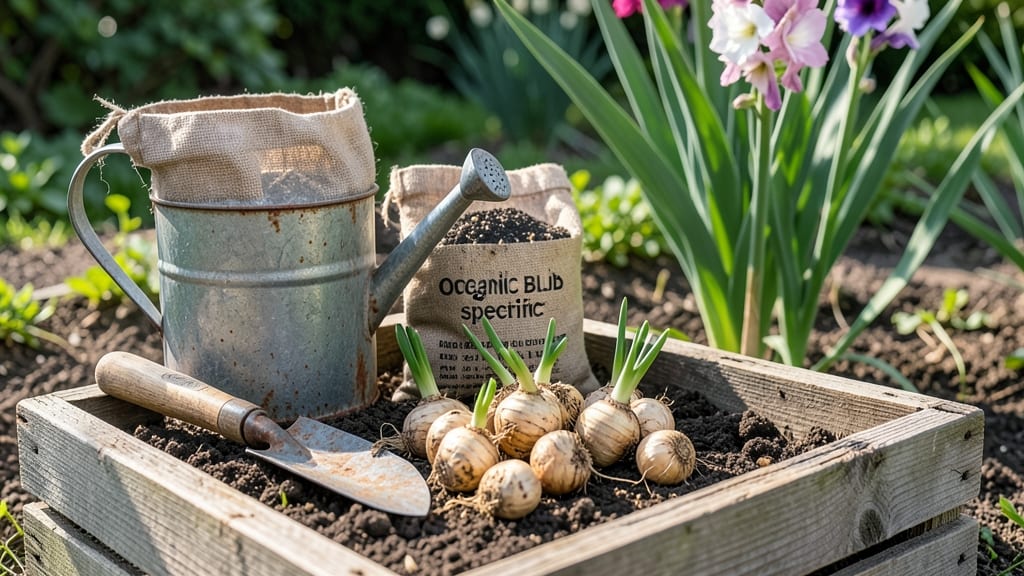
Timing when to plant gladiolus bulbs in California isn’t just about the calendar—it’s about beating the heat and coastal chill to unlock those showstopping summer blooms. Whether you’re in sun-drenched Southern California or the milder coastal zones, planting too early or late can mean fewer flowers and more frustration.
Most gardeners in USDA zones 9-10 (that’s most of California) should aim for late winter to early spring, but here’s the catch: coastal areas like San Francisco can start as early as February, while inland valleys like the Central Valley need to wait until March or April.
Get this right, and you’ll enjoy bold, dramatic blooms from June through September.
I’ve seen firsthand how a few weeks’ difference in planting can mean the difference between a garden bursting with color and one that struggles in the heat.
The key isn’t just the month—it’s understanding your microclimate, soil prep, and even bulb depth to give your Gladiolus the best shot at thriving.
Ready to transform your garden into a summer spectacle? Let’s break down exactly when, where, and how to plant these stunning flowers for maximum impact—no guesswork required.
California planting zones: when to plant gladiolus bulbs by region
California’s microclimates create a puzzle for gladiolus growers. While coastal areas like San Francisco rarely see frost, inland valleys such as Sacramento can experience chilly nights until March or April.
Timing your planting to match your USDA zone and local frost dates ensures those dramatic summer blooms you’re dreaming of.
Gladiolus bulbs, or corms, thrive when planted after the last frost but before summer’s intense heat peaks.
In most of California, this window falls between February and May, but the exact timing shifts dramatically depending on whether you’re in a coastal fog belt or a Central Valley heat zone. Let’s break it down by region to avoid missed blooms or stunted growth.
⚠️ CRITICAL VISUAL GUIDE: Use this comparison table to pinpoint your ideal planting window based on California’s key regions. Adjust for microclimates—even a few miles inland can change your frost risk significantly.
| Region | USDA Zone | Last Frost Date | Ideal Planting Window | Notes |
|---|---|---|---|---|
| Northern California (e.g., San Francisco, Redwood Coast) | Zone 9-10 | None (coastal) | February–March | Plant early to avoid summer drought; mulch heavily. |
| Central Coast (e.g., Santa Barbara, Monterey) | Zone 9-10 | Late December–January | February–March | Cooler nights extend planting into April; watch for coastal fog. |
| Central Valley (e.g., Sacramento, Fresno) | Zone 9 | Mid-December–January | March–April | Wait until soil warms to 60°F+; use shade cloth in peak summer. |
| Southern California (e.g., Los Angeles, San Diego) | Zone 10-11 | None (year-round growth) | February–May | Stagger plantings for continuous blooms; avoid summer planting in inland areas. |
| Desert Regions (e.g., Palm Springs, Joshua Tree) | Zone 10-11 | None | October–November or February–March | Plant in fall or early spring to escape summer’s extreme heat; use drip irrigation. |
If you’re in Southern California, you’ve got flexibility—gladiolus can bloom year-round with the right care. But inland areas like the Central Valley or Desert demand precision. Plant too early, and frost can damage emerging shoots; too late, and summer’s 100°F+ temperatures will stress your corms before they bloom.
For coastal gardens, aim for February planting. The cooler, moist air helps corms establish roots before summer’s dry heat sets in. In contrast, inland valleys should wait until March or April, when soil temperatures consistently stay above 60°F.
Use a soil thermometer to confirm—gladiolus corms need warmth to sprout efficiently.
Pro tip: Stagger your plantings by 2–3 weeks if you want continuous blooms from June through September. This is especially useful in Southern California, where microclimates allow for multiple planting windows.
For example, plant a batch in February, another in March, and a final one in April to extend your floral display.
Don’t overlook soil preparation, either. Gladiolus corms rot in waterlogged soil, so amend your beds with compost or sand to improve drainage. In clay-heavy soils common in the Central Valley, mix in perlite or coarse sand to prevent soggy conditions.
Coastal gardeners can skip this step if their soil drains naturally.
Watch for local frost advisories, even in mild zones. A surprise frost in March can devastate young shoots. If you’re unsure, check your local agricultural extension office for frost-free date updates. In <
Step-by-step gladiolus planting schedule for California gardens
Now that you know the ideal planting windows for your California region, let’s dive into a month-by-month schedule to ensure your gladiolus corms thrive.
Timing isn’t just about the calendar—it’s about preparing your soil, spacing bulbs correctly, and protecting them from pests like gladiolus thrips, which are common in California’s warm climate.
Start by testing your soil’s drainage and pH. Gladiolus bulbs rot in soggy soil, so amend heavy clay with compost or sand. Aim for a pH between 6.0 and 7.0, which is ideal for nutrient uptake.
If your soil is too acidic, add lime; if it’s alkaline, mix in sulfur or peat moss.
📅 February-March (Coastal Areas): This is your window for early planting in foggy coastal zones like San Francisco or Santa Barbara. Plant corms 4-6 inches deep and 4-6 inches apart in well-draining soil. Coastal areas benefit from staggered planting—space out bulbs in weekly batches to extend your bloom season.
- Choose a sunny, sheltered spot with 6+ hours of sun daily. Avoid low-lying areas where cold air pools.
- Loosen soil to 12 inches deep and mix in 2-3 inches of compost or aged manure. Gladiolus roots need room to grow.
- Plant corms pointy end up, 4-6 inches deep, and 4-6 inches apart in rows. Use a trowel for precision—this prevents overcrowding and improves airflow.
- Water deeply after planting to settle the soil, then water lightly every 3-5 days until shoots emerge. Avoid soaking the soil.
- Apply a balanced fertilizer (5-10-10) at planting and again when shoots reach 6 inches tall. This boosts bloom production.
- Mulch with 2-3 inches of straw or wood chips to retain moisture and suppress weeds. Replenish mulch as it breaks down.
- Monitor for pests like thrips or aphids. Spray with neem oil or insecticidal soap at the first sign of damage to protect your blooms.
For inland areas (e.g., Sacramento or Bakersfield), delay planting until mid-March to early April. Warmer soils speed up germination, so keep newly planted corms well-watered but not soggy.
If your region experiences late spring frosts, wait until after April 15th to plant—gladiolus bulbs are frost-sensitive once shoots emerge.
Once your gladiolus are in the ground, consistent watering is key. Water deeply in the morning to encourage strong root growth and reduce fungal diseases like botrytis. In California’s dry summers, mulch heavily to lock in moisture and keep roots cool.
Stake taller varieties (like 'Green Star' or 'Black Pearl') early to prevent wind damage.
By following this schedule, you’ll enjoy vibrant summer blooms from June through September—just in time for California’s peak gardening season! The secret? Patience and precision in planting, paired with attentive care as your gladiolus grow. 🌸