
Plants
Planting gladiolus bulbs at the wrong time in Oklahoma can mean the difference between stunning summer blooms and a disappointing flop. With USDA Zones 6a-7b and unpredictable spring weather, timing is everything for these tall, dramatic 🌸 flowers that thrive in Oklahoma’s heat.
Most gardeners in Oklahoma wait until after the last frost—typically late March to early May—when soil temperatures hit 60-65°F. Planting too early risks frost damage, while waiting too long can stunt growth before summer’s peak blooming season.
The key is balancing warmth and moisture to give your gladiolus the strong roots they need.
If you’ve ever watched your gladiolus struggle—wilting in the heat or failing to bloom—it might be a planting timing issue. I’ll walk you through Oklahoma’s frost-free windows, soil prep, and the exact steps to ensure your bulbs take root just as the weather warms up.
Let’s get your garden ready for those showstopping 4-5 foot 🌸 spikes that will be the talk of your neighborhood—starting with the perfect planting window.
Best time to plant gladiolus bulbs in Oklahoma: frost dates and soil temperature guide
In Oklahoma’s USDA Zones 6a-7b, gladiolus bulbs need warm soil and frost-free conditions to thrive. The ideal planting window is between late March and early May, right after your area’s last frost date.
This timing ensures your bulbs get the 60-65°F soil temperature they need to sprout strong roots before Oklahoma’s intense summer heat arrives.
Oklahoma’s frost dates vary by region—northern areas like Oklahoma City often see their last frost around March 15, while southern areas like Tulsa may be frost-free by March 1.
Always check your local Almanac frost predictions or use a soil thermometer to confirm readiness. Planting too early risks frost damage, while waiting too long can delay blooming.
Gladiolus bulbs (or corms) are sensitive to cold, so avoid planting before soil warms up. A simple trick: press a soil thermometer 2 inches deep—if it reads below 60°F, wait a week or two.
This small step can mean the difference between weak stems and tall, vibrant blooms reaching 4-5 feet by summer.
For gardeners in Zone 6a (like northern Oklahoma), aim for April 1 as a safe bet. In Zone 7b (southern Oklahoma), you can plant as early as mid-March, but monitor weather forecasts for late frosts.
Remember, gladiolus need 120-150 days to mature, so planting too late may leave them struggling in the heat.
Once you’ve confirmed your soil is warm enough, plant your gladiolus corms 4-6 inches deep and 6 inches apart. This spacing gives their tall stems room to grow without competing for nutrients.
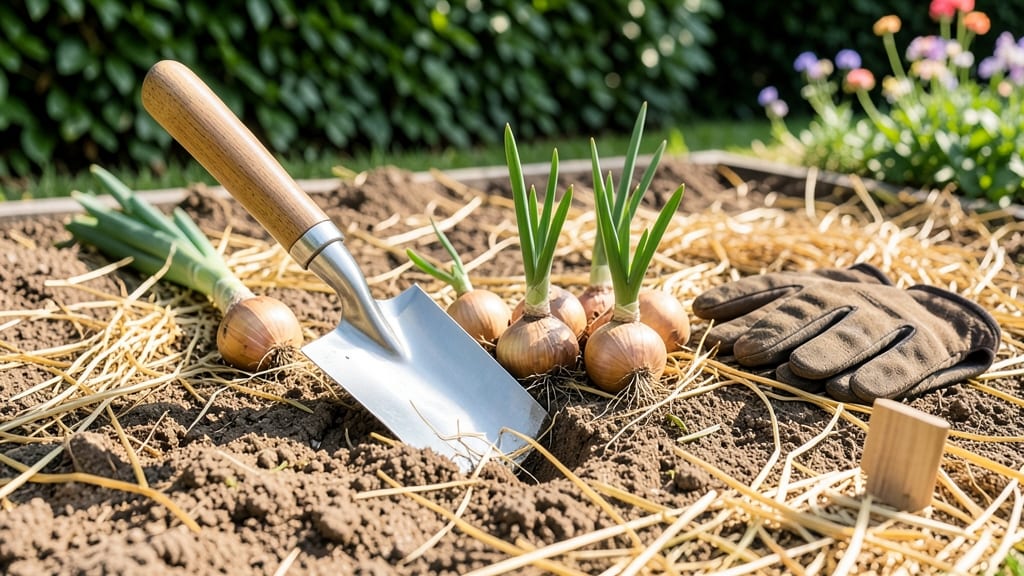
In Oklahoma’s heat, mulch with 2-3 inches of straw to retain moisture and keep roots cool. This simple layer can extend your blooming season by 2-3 weeks.
If you’re unsure about your local frost dates, use the "10-day rule": wait until 10 days after the last frost date to plant. This buffer accounts for late cold snaps that can still occur in Oklahoma’s transitional spring weather.
For example, if your last frost is March 10, plant around March 25 to be safe.
Pro tip: Oklahoma’s clay-heavy soils can delay warming. Amend your planting area with compost or sand to improve drainage and speed up soil warming. This adjustment is especially critical if you’re planting in raised beds, which warm up faster than ground soil.
Your gladiolus will thank you with bold, long-lasting blooms all summer long.
For a second planting, you can try late June in southern Oklahoma (Zone 7b) for fall blooms before the first frost. However, this requires careful water management, as summer heat can stress the bulbs. If you’re new to gladiolus, stick with the spring planting for the most reliable results.
Timing your gladiolus planting right ensures you’ll enjoy vibrant spikes from July through September, just as Oklahoma’s summer heat peaks. With the right window, your garden will be the envy of the neighborhood—full of dramatic, sword-like 🌸 blooms that stand out against any backdrop.
Best time to plant gladiolus bulbs in Oklahoma: frost dates and soil temperature guide
Oklahoma’s USDA Zones 6a-7b mean your gladiolus bulbs need to wait for consistent warmth before planting. The last frost typically hits around March 15, but soil temperature is the real game-changer—aim for 60-65°F to kickstart root growth.
In northern Oklahoma (Zone 6a), this often means waiting until late April, while southern regions (Zone 7b) can start as early as mid-March.
Local weather patterns add another layer: Oklahoma’s unpredictable spring rains can delay planting. Use a soil thermometer to confirm readiness—planting too soon in cold soil leads to rot. My rule of thumb? Wait until three consecutive days above 60°F before digging in those corms.
🌱 Oklahoma Gladiolus Planting Timeline
| Region | Last Frost Date | Ideal Planting Window | Soil Temp Requirement |
|---|---|---|---|
| Northern OK (Zone 6a) | Mid-April | Late April - Early May | 60-65°F |
| Central OK (Zone 7a) | Early April | Late March - Early April | 60-65°F |
| Southern OK (Zone 7b) | Mid-March | Mid-March - Late April | 60-65°F |
For a foolproof approach, check Oklahoma Mesonet’s frost data or use your local Cooperative Extension Service for hyper-local advice. I’ve planted gladiolus in both Tulsa and Lawton, and the 2-week difference in planting windows makes a huge impact on bloom timing.
Pro tip: If you’re eager to start early, use black plastic mulch to warm the soil faster. Just be ready to cover plants if a late frost sneaks in—gladiolus cannot handle frost at any growth stage.
The first 30 days after planting are critical for root establishment, so don’t rush it.
Once your soil hits that sweet 60°F mark, you’ve got about 6-8 weeks until those dramatic 4-5 foot spikes emerge. That’s your window to get them in the ground—any later, and you’ll miss the summer bloom peak. The goal? Strong roots before Oklahoma’s summer heat arrives.
Remember: Gladiolus bulbs (called corms) are not frost-tolerant at planting. If you’re in doubt, err on the side of waiting—your summer color display will thank you. For extra peace of mind, plant a test row a week before your target date to monitor growth.