
Plants
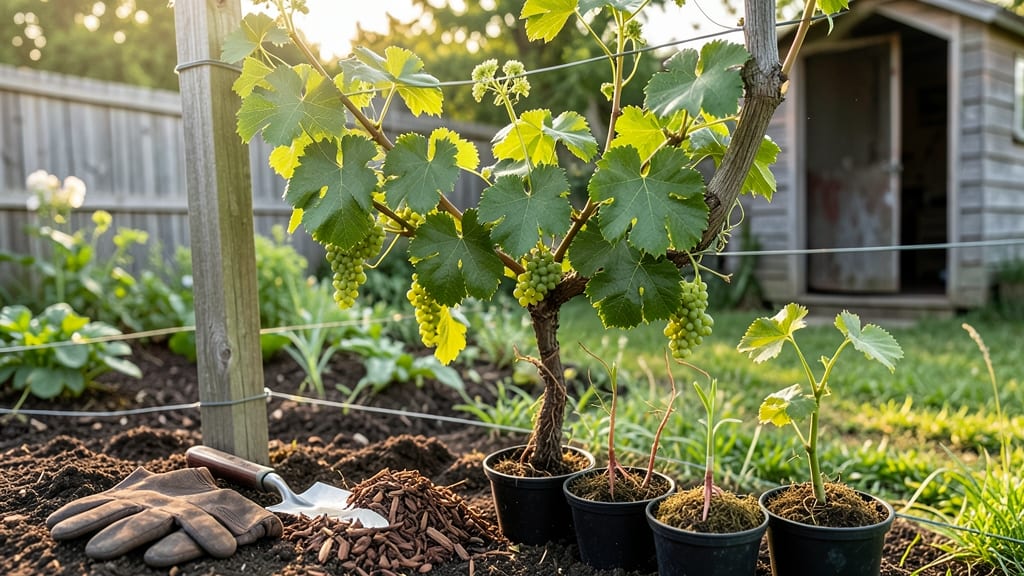
Timing your grape vine planting in California could make or break your harvest—especially when coastal Zone 10a and inland Zone 9b have completely different rules. One wrong move, and you might end up with stunted vines or wasted effort.
Here’s the secret: Coastal gardeners can plant their 🍇 grape vines year-round thanks to mild winters, while inland growers should aim for late winter to early spring when the soil warms and frost risks fade.
Getting this right means stronger roots, faster growth, and bigger yields—so let’s break down the exact windows for your microclimate.
Whether you’re a first-time gardener or a seasoned vineyard owner, knowing when to dig in the soil is the key to success. I’ll walk you through the best months for each zone, soil prep tips, and how to avoid common mistakes that trip up even experienced growers.
Ready to turn your backyard into a thriving vineyard? Let’s get those 🍇 grape vines in the ground at the perfect time—no guesswork, just results.
California grape vine planting months by USDA Zone: exact timing for root success
California’s diverse climate zones—from frost-free coastal areas to colder inland valleys—mean one-size-fits-all planting advice won’t work for grape vines. USDA Zones 9b-10a dominate the state, but microclimates create 3 distinct planting windows that can make or break your vine’s first year.
I’ll break down the exact months to plant based on your location, plus soil temperature tricks to avoid common pitfalls.
In coastal regions (Zone 10a), like Santa Barbara or San Diego, you can plant grape vines year-round thanks to mild winters. However, inland valleys (Zone 9b), such as the Central Valley or Napa, require dormant planting between November and March to align with natural growth cycles.
Even a single late frost can stunt young roots, so timing is everything.
Here’s the golden rule: Plant bare-root vines in winter (December-February) when they’re dormant, or container-grown vines in spring (March-April) once soil warms to 60°F (15°C). This ensures roots establish before summer heat stress kicks in.
For container gardening, you can push boundaries—even summer planting works if you provide extra shade and daily watering.
🌱
| Zone & Region | Best Planting Months | Soil Temp Requirement | Key Considerations |
|---|---|---|---|
| Zone 10a (Coastal: San Diego, Santa Barbara) | Year-round (best: Nov-Mar) | 55°F+ (13°C+) | No frost risk; ideal for container vines. |
| Zone 9b (Inland Valleys: Central Valley, Napa) | Nov-Feb (dormant), Mar-Apr (container) | 60°F+ (15°C+) | Avoid late frosts; mulch heavily in winter. |
| Zone 7 (High Desert: Madera, Fresno) | Feb-Mar (bare-root only) | 50°F+ (10°C+) | High frost risk; use cold-hardy varieties. |
| Containers (Any Zone) | Mar-May (spring), Sep-Oct (fall) | 65°F+ (18°C+) | Water daily; move to shade in summer. |
🌿
If you’re in Zone 10a, coastal gardeners have the luxury of flexibility—but don’t assume summer planting is a free pass. Heat stress during root establishment can kill young vines, even in mild climates.
I recommend planting in early spring (March) or late fall (November) to give roots a 3-month head start before summer’s peak heat. For container-grown vines, this window widens slightly, but you’ll need to monitor soil moisture daily.
Inland Zone 9b gardeners face a tighter deadline. Planting after March risks summer drought stress, while planting before November exposes vines to late-season frosts. Use a soil thermometer to confirm temperatures are consistently above 60°F (15°C) before planting.
Pro tip: Mulch with straw to insulate roots and retain moisture during California’s dry springs.
For high-desert areas (Zone 7), like Madera or Fresno, the window shrinks to February-March. These regions experience hard frosts until late spring, so cold-hardy varieties like Concord or Flame Seedless are your best bet.
Plant bare-root vines as soon as soil is workable, then cover with frost cloth for the first 2-3 weeks to protect tender new growth.
💧
One of the biggest mistakes I see is planting too early in cold zones. Wet, cold soil can suffocate roots, leading to rot or stunted growth. Always check soil temperature at 10 inches deep—that’s where roots will establish.
If it’s below 50°F (10°C), wait. For container vines, you can cheat the system by planting 6 weeks earlier in spring, but avoid summer containers unless you’re committed to daily shade and watering.
Finally, trellis installation is non-negotiable. Grape vines need 15-20 feet of vertical support, and planting without a trellis means wasted space and poor airflow. Install your trellis before planting—even if it’s just T-posts with wire—so roots can grow toward the structure immediately.
In windy coastal areas, add stakes or guy wires to prevent toppling.
☀️
California grape vine planting months by USDA Zone: exact timing for root success
California’s diverse climate means grape vine planting windows vary dramatically between coastal and inland regions. In USDA Zone 9b (Central Valley, inland areas), your best bet is late winter to early spring—specifically November through March—when soil temperatures hover between 50°F and 65°F.
Coastal areas in Zone 10a (San Diego, Santa Barbara) offer year-round planting, but fall to early spring still yields the strongest root establishment before summer heat.
Why? Grape vines thrive when planted during dormancy (bare-root) or in cool, moist soil. Inland zones risk heat stress if planted too early, while coastal areas can handle container-grown vines anytime—just avoid peak summer (June-August) due to water scarcity and pest pressure.
| Zone/Region | Best Planting Months | Soil Temp (°F) | Key Consideration |
|---|---|---|---|
| Zone 9b (Central Valley) | November–March | 50–65°F | Avoid spring frosts; irrigate weekly. |
| Zone 10a (Coastal) | Year-round (ideal: Oct–Feb) | 60–75°F | Container vines adapt best; mulch heavily. |
| Zone 7 (Mountains) | March–April | 45–55°F | Wait for last frost; use frost cloth. |
For bare-root vines, plant immediately after purchase—don’t let roots dry out. Soak roots in water for 2–4 hours before planting to kickstart hydration. In container-grown vines, timing is flexible, but early spring (March) gives vines time to establish before summer’s heat peaks.
Pro tip: Test soil moisture 6 inches deep—it should feel like a wrung-out sponge before planting.
Microclimates matter! San Joaquin Valley gardeners should plant in December–January to avoid late-winter frosts, while Los Angeles growers can plant throughout winter. Always check your local frost dates—the USDA Plant Hardiness Map is your best friend for precise timing.
After planting, mulch heavily (4–6 inches of straw or wood chips) to retain moisture and regulate soil temperature. In Zone 9b, mulch prevents roots from overheating, while in coastal zones, it protects against cool, damp winters.
Water deeply 2–3 times per week for the first month to encourage deep root growth.
Remember: Patience pays off. Vines planted in optimal windows can bear fruit in 2–3 years, while off-season plantings may take 5+ years to mature. Choose your planting month wisely—your future harvest depends on it! 🍇