
Plants
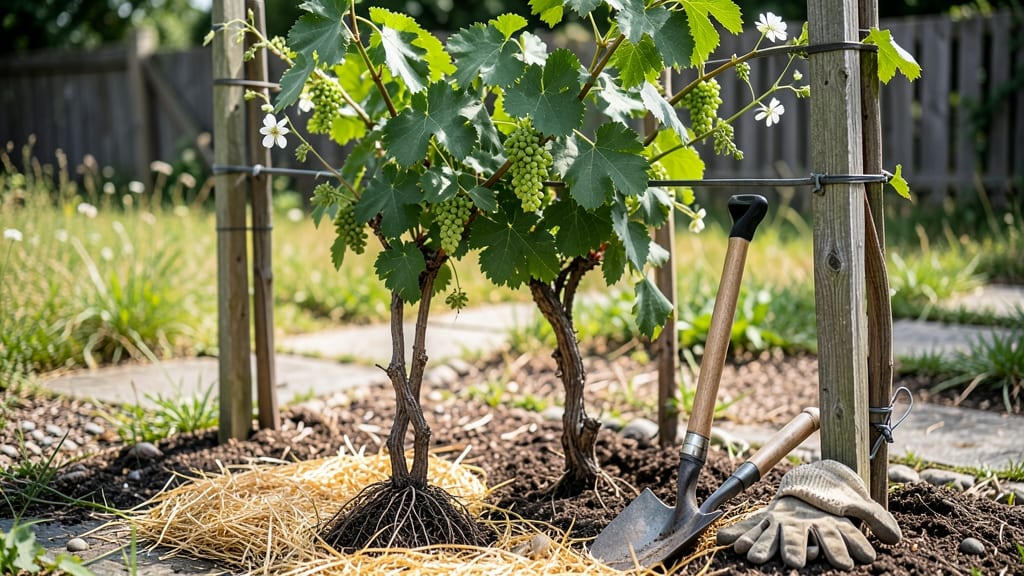
If you’ve ever dreamed of growing your own 🍇 grapes in Arizona but hesitated because of the brutal summer heat, the perfect time to plant grapes in Arizona is the key to success.
The key to success isn’t just choosing the right variety—it’s planting them at the perfect time to beat the desert’s extremes. Arizona’s winter planting window (November through February) offers the ideal balance of cooler temperatures and moisture, giving young vines the best shot at survival before summer’s scorching sun arrives.
Planting outside these months? You’re rolling the dice with heat stress, poor root establishment, or even fungal diseases that thrive in Arizona’s monsoon season. I’ve seen firsthand how a well-timed planting can transform a struggling vineyard into a thriving one—even in the 9b zone.
Let’s break down exactly when to plant, which varieties handle the heat best, and how to prep your soil for a foolproof harvest.
Whether you’re a backyard gardener or aiming for a small vineyard, the right timing makes all the difference.
You’ll learn how to avoid common mistakes like planting too early (risking frost) or too late (stressing young vines), plus pro tips for irrigation and soil prep that keep your grapes lush and productive. Ready to turn your Arizona garden into a grape-growing success story?
Grapes need patience, but the payoff—juicy clusters ripe from June to September—is worth every bit of effort. Let’s get started with the exact steps to plant your vines for a harvest you’ll be proud of.
Best months to plant grapes in Arizona’s climate zones
Arizona’s diverse climate zones—from the Low Desert’s 110°F heat to the High Desert’s cooler nights—create unique challenges for grape growers. The key to success? Planting during the coolest months when soil temperatures stay below 75°F and monsoon risks are lowest.
Missing this window means battling heat stress, poor root establishment, or fungal diseases before your vines even sprout.
Most Arizona gardeners focus on winter planting (November–February), but timing varies by region. For example, Phoenix and Tucson (Low Desert) have a shorter window due to early spring warmth, while Flagstaff and Prescott (High Desert) can extend planting into early spring.
Understanding these differences ensures your vines thrive from day one.
Here’s the critical rule: Avoid planting during Arizona’s monsoon season (July–September). The sudden downpours can drown young roots, while the intense heat accelerates moisture loss. Even well-established vines struggle during this time, so timing is everything.
Let’s break down the ideal planting windows for Arizona’s three main climate zones, including soil prep tips and seasonal risks to watch for.
| Climate Zone | Ideal Planting Months | Soil Temp Threshold | Seasonal Risks |
|---|---|---|---|
| Low Desert (Phoenix, Tucson) | November–January | Below 70°F | Early spring heatwaves, poor drainage |
| High Desert (Flagstaff, Prescott) | November–February | Below 65°F | Late frosts, compacted soil |
| White Mountains (Show Low) | March–April | Below 60°F | Short growing season, fungal diseases |
🌱 Pro Tip: Test soil temperature with a thermometer before planting—ideal range is 50–65°F.
If you’re in the Low Desert, aim to plant by mid-January to avoid the soil warming too quickly. In contrast, High Desert gardeners can push planting into early March without risking heat stress.
The White Mountains offer the latest window due to cooler temperatures, but vines must establish roots before the first frost in mid-October.
Spring planting (March–April) is riskier but possible in cooler regions like Flagstaff. However, vines planted too late may not bear fruit in their first year. For best results, stick to winter planting and choose varieties bred for Arizona’s heat, like ‘Antequera White’ or ‘Black Monukka’.
One common mistake? Planting in October. While soil is still warm, the risk of early monsoons or unpredictable temperature swings increases. Young vines can’t handle these fluctuations, leading to stunted growth or death.
Always check your local USDA Zone 9b frost dates—most of Arizona falls into this zone, but microclimates vary wildly.
For container growers, the rules are slightly different. Potted vines can tolerate slightly warmer soil temperatures but still need consistent moisture and protection from afternoon sun during summer.
If you’re growing grapes in containers, plant in late winter (February) and move them to shaded areas by May to prevent root burn.
Finally, consider fall planting (October) only if you’re in the High Desert or White Mountains. The cooler nights help vines establish roots before winter dormancy. However, avoid this timing in the Low Desert—heat stress will overwhelm young plants before they can adapt.
Ready to plant? Start by selecting a heat-tolerant variety and preparing your soil with organic matter to improve drainage. The next section covers the top 5 grapes for Arizona’s climate, including their heat tolerance and yield potential.
Critical pre-planting steps to survive Arizona’s extreme heat
Arizona’s 110°F+ heat and low humidity can shock grape roots if you skip these essential prep steps. Without proper soil prep and irrigation planning, your vines may struggle to establish before summer arrives.
I’ve learned the hard way—skipping even one step can lead to root rot or heat stress within weeks.
Your first priority is soil drainage. Arizona’s clay-heavy soils trap heat and water, suffocating roots. Amend your soil with 30% compost and 20% perlite or pumice to improve aeration.
Test your soil’s pH—grapes thrive in 6.0–7.0, but Arizona’s alkaline soils often skew higher. Adjust with elemental sulfur if needed.
Planting in spring or summer without shade cloth (70% block) risks leaf scorch and root burn. Even dormant vines need 3–4 weeks of 70°F+ temps to recover from transplant shock. If you plant in March or later, use drip irrigation with mulch to keep roots cool.
Next, install a drip irrigation system before planting. Flood irrigation wastes water and encourages fungal diseases like powdery mildew. Instead, use 1/4-inch emitters spaced 12 inches apart, delivering 1–2 gallons per vine twice weekly. Bury the lines 2–3 inches deep to shield them from UV rays and reduce evaporation.
Mulch is non-negotiable in Arizona. Apply 4–6 inches of wood chips or straw around your vines to lock in moisture and regulate soil temperature. Avoid organic mulches like grass clippings—they mat down and trap heat. Replenish mulch every 6–12 months, especially after heavy rains or windstorms.
Finally, choose a protected planting site. Avoid open desert areas where winds exceed 15 mph—they dehydrate vines rapidly. Instead, plant near a south-facing wall or under a trellis with shade cloth.
If you’re in the Low Desert (Phoenix/Tucson), opt for container growing with black plastic pots to absorb heat and extend the growing season.
With these steps, your grapes will establish strong roots before Arizona’s April heatwave hits. Monitor soil moisture daily for the first 30 days—overwatering is just as deadly as underwatering in this climate. 🌱