
Plants
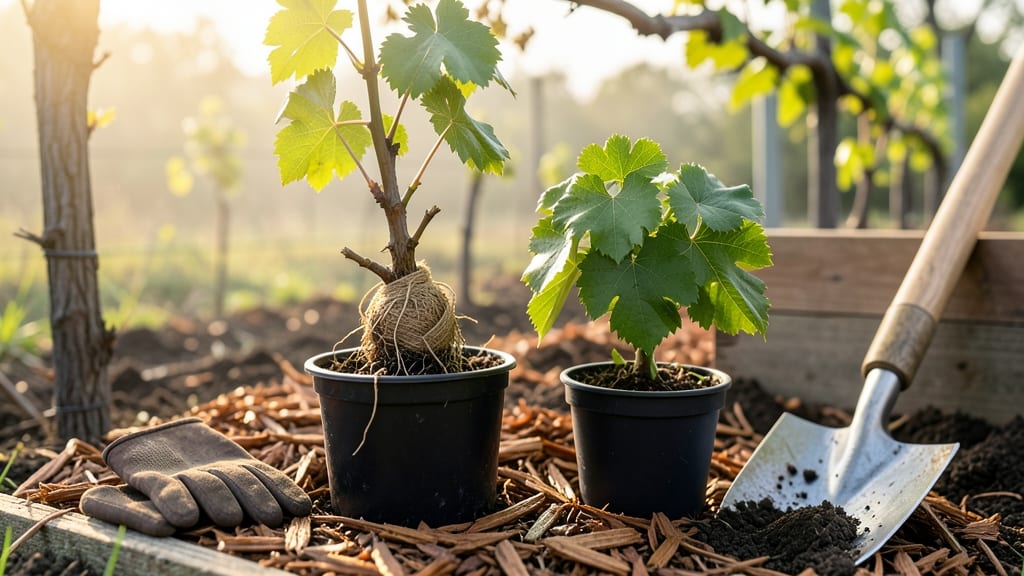
Timing your 🍇 grapes planting in AZ during the dormant season is the secret weapon for thriving vines in Arizona's extreme climate.
While most gardeners panic about summer heat, the key to success lies in those cooler winter months when the soil is workable and stress on young plants is minimal.
Planting between November and February gives your grapes the best shot at establishing strong roots before the brutal Arizona sun arrives. This window aligns perfectly with the natural dormancy period of grapevines, allowing them to focus energy on root development rather than leaf growth.
For USDA Zone 9b growers, this means avoiding both the scorching summers and potential late winter frosts that could damage tender new shoots.
Whether you're growing Flame Seedless for your backyard BBQ or Cabernet Sauvignon for that homemade wine project, the right planting timing makes all the difference.
I'll show you exactly how to prepare your soil, choose the perfect spot, and care for your vines during those critical first months when they're most vulnerable.
Ready to transform your Arizona yard into a grape-growing paradise? Let's dive into the best months to plant, variety-specific tips, and the soil prep secrets that will set your vines up for success from day one.
Best months to plant grapes in Arizona by variety type
Arizona’s USDA Zone 9b climate offers a narrow window for planting grapes, but timing is everything. The ideal planting months are November through February, when vines are dormant and temperatures are mild. This protects young roots from extreme heat and soil-borne diseases that thrive in summer.
For table grapes like Flame Seedless, aim for December-January, while wine grapes such as Cabernet Sauvignon can handle early November or late February plantings with extra care.
If you miss the winter window, October or March are secondary options, but success depends on microclimates and soil moisture. High-desert areas like Flagstaff may extend planting into early April, while Phoenix’s intense heat limits late-season plantings to shaded, irrigated sites.
Always choose bare-root vines over potted plants—they establish faster in Arizona’s dry conditions.
| Variety Type | Best Planting Months | Notes |
|---|---|---|
| Table Grapes (Flame Seedless, Thompson Seedless) | December–January | Heat-sensitive; needs consistent watering. Ideal for low-desert areas. |
| Wine Grapes (Cabernet Sauvignon, Syrah) | November or February | More drought-tolerant; can handle early spring plantings with shade cloth. |
| Native/Arizona Varieties (e.g., Muscadine) | October–March | Adapted to heat; plant in well-draining soil to prevent root rot. |
| Container Grapes (e.g., Concord) | January–February | Use large pots (15+ gallons); move indoors if temps exceed 90°F. |
For container-grown grapes, timing shifts slightly to January–February to avoid overheating in small pots. Choose heat-tolerant varieties like Black Monukka or Crimson Seedless, and ensure your container has drainage holes to prevent root rot.
If you’re in high-altitude areas (e.g., Flagstaff or Prescott), you can push planting into early April, but monitor for late frosts—young vines are vulnerable until they’ve established roots.
Pro tip: Soak bare-root vines in water for 2–4 hours before planting to rehydrate roots. In Arizona’s dry climate, this doubles survival rates by reducing transplant shock.
After planting, mulch heavily with wood chips or straw to retain moisture and regulate soil temperature. Avoid organic mulches like grass clippings—they can introduce fungal pathogens.
If you’re planting wine grapes, prioritize Cabernet Sauvignon or Syrah for Arizona’s heat. These varieties thrive in full sun and well-draining soil, producing bold, flavorful fruit despite the climate.
For table grapes, Flame Seedless is a top pick—its red-purple skin ripens reliably in Arizona’s summer heat, but it demands consistent irrigation to prevent cracking.
One common mistake? Planting grapes in summer or early fall. Young vines struggle to establish roots in 100°F+ temperatures, leading to stunted growth or death.
If you’re eager to start earlier, pre-sprout vines indoors in late winter (using a grow light) and transplant outdoors in March, but only in shaded, irrigated beds.
Remember: Arizona’s alkaline soils can stress grapes, so amend soil with compost and gypsum (for clay-heavy areas) before planting. Test your soil’s pH (6.0–7.0 is ideal)—grapes hate high salinity, which is common in Arizona’s irrigation water.
If your soil tests above 7.5, flush it with fresh water for 2–3 weeks before planting.
For urban gardeners with limited space, dwarf grape varieties like Autumn Royal or Thompson Seedless are excellent choices. These can be trained on vertical trellises or arbors, saving space while still yielding high-quality fruit.
Just ensure they get at least 6 hours of sun daily—grapes won’t fruit in shade.
Finally, protect young vines from wildlife (especially rabbits and deer, which love tender grape shoots). Use chicken wire cages or fencing until vines are 3 feet tall. In low-desert areas, shade cloth (30–50%) can help newly planted vines acclimate to intense afternoon sun during March–April transitions.
Critical climate factors that determine Arizona grape planting success
Arizona’s diverse microclimates—from the desert heat of Phoenix to the cooler highlands of Flagstaff—create wildly different planting conditions. Understanding your USDA Zone 9b location and frost risk is critical.
Most Arizona regions experience last frosts in mid-December and first frosts in early January, but high-elevation areas like Sedona can see frost as late as March. Planting too early risks heat stress, while waiting too long may expose young vines to unexpected cold snaps.
Your soil moisture and drainage also dictate success. Arizona’s alkaline soils retain heat, so well-draining sites with sandy loam or amended clay are ideal. Avoid planting in low-lying areas where cold air pools at night—even a few degrees can damage tender new growth.
If you’re in Tucson or Yuma**, prioritize shade cloth or drip irrigation to protect vines during 100°F+ days after planting.
🚨 Callout-Warning 🚨
Transplanting grapes in Arizona’s summer (May-Sept) causes heat shock and root desiccation. Young vines need 6-8 weeks to establish before facing 110°F+ temperatures. If you miss winter planting, opt for container-grown vines with shade protection until roots stabilize.
💡 Pro Tip: Use mulch (straw or wood chips) to insulate roots and retain moisture.
High-elevation areas like Flagstaff (Zone 7a) have a longer frost-free season but cooler nights, which can delay bud break. Here, March planting is safer for cold-hardy varieties like Concord or Niagara.
Meanwhile, low-desert regions (Zone 10a), such as Yuma, can plant year-round, but winter (Nov-Feb) still offers the best balance of cooler temps and adequate rainfall.
Don’t overlook wind exposure—Arizona’s desert winds can dry out young vines quickly. Install a windbreak (e.g., bamboo fence or native shrubs) on the prevailing wind side to create a microclimate.
In urban areas, paved surfaces radiate heat, so plant grapes in raised beds or containers with heat-reflective mulch.
Finally, container planting extends your window in hot climates. Containers warm up faster but also dry out quicker, so use 50+ gallon pots with drip irrigation. Move containers to shadier spots during peak afternoon sun (1 PM–5 PM) to prevent root burn.
With the right adjustments, you can successfully grow grapes in any Arizona microclimate.
🌱 Key Takeaway: Match your variety, location, and planting month to your microclimate’s frost dates and heat tolerance. Winter planting is ideal, but containers and shade can help in extreme conditions.