
Plants
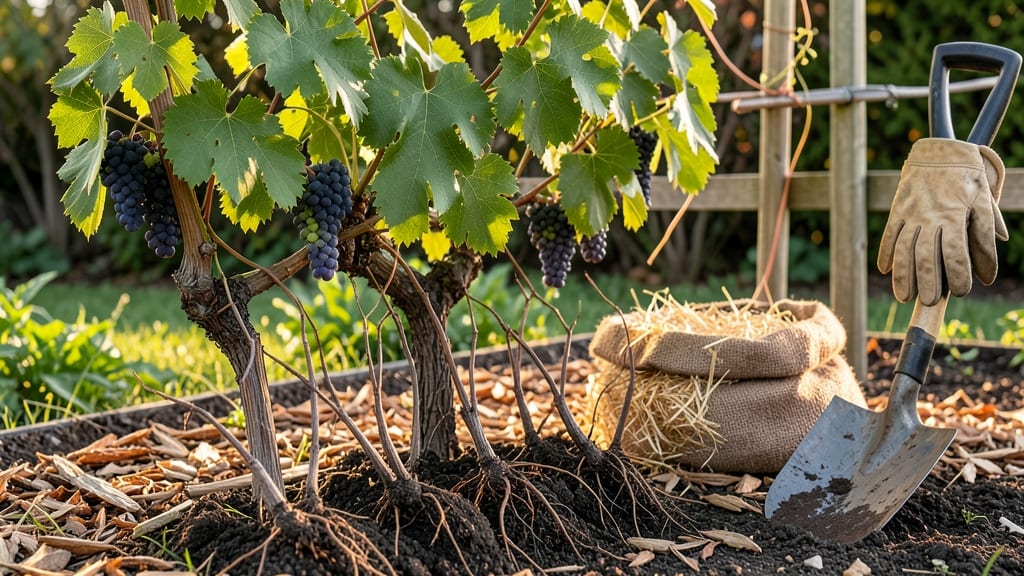
Planting grapes in Kentucky at the wrong time could mean the difference between a thriving vineyard and a failed harvest—especially in USDA Zone 6a where winters bite and summers sizzle. The key to success? Timing your planting to match your grape variety’s chill-hour needs and Kentucky’s unpredictable frost patterns.
If you’ve ever wondered why some gardeners in your area get lush, productive 🍇 vines while others struggle, the answer likely lies in when they planted.
Late winter to early spring (February through April) gives your grapevines the best shot at establishing roots before the heat of summer, but not all varieties play by the same rules.
I’ll break down the exact planting windows for Kentucky’s most popular grape types—like Norton and Chambourcin—and show you how to adjust for microclimates, soil prep, and even frost risks.
Whether you’re a first-time grower or a seasoned gardener, these insights will help you avoid common pitfalls and set your vines up for a reliable harvest.
Ready to turn your backyard into a grape-growing powerhouse? Let’s dive into the science-backed strategies that actually work for Kentucky’s climate—so you can enjoy homegrown grapes from August to October without the guesswork.
Kentucky’s ideal grapes planting windows by chill-hour zones
Kentucky’s diverse climate—from the Bluegrass Region to the Cumberland Plateau—means chill-hour requirements dictate the best planting windows for grapes. Most Kentucky counties fall within USDA Zone 6a, with chill hours ranging from 300 to 1,000+ hours annually.
Matching your grape variety to these zones ensures proper dormancy and vigorous growth.
For example, Norton grapes (Kentucky’s state grape) thrive with 500-800 chill hours, while Chambourcin and Catawba varieties need 400-600 chill hours. Planting at the wrong time can lead to poor bud break or winter dieback, so zone alignment is critical.
Here’s how Kentucky’s chill-hour zones break down for grape planting:
| Grape Variety | Chill-Hour Range | Ideal Planting Window | Notes |
|---|---|---|---|
| Norton | 500-800 | Late February - Early April | Hardy to Zone 5; needs winter protection in colder microclimates. |
| Chambourcin | 400-600 | Early March - Mid-April | Early ripening; great for shorter growing seasons. |
| Catawba | 600-900 | Mid-March - Early April | Late-season variety; needs full dormancy. |
| Concord | 700-1,000 | Early April - Mid-April | Classic table grape; requires warm summers. |
| Traminette | 400-600 | Late February - Early March | Cold-hardy; ideal for northern Kentucky. |
If you’re in southern Kentucky (e.g., Paducah), where winters are milder, you can push planting to early March for varieties like Chambourcin. In northern Kentucky (e.g., Louisville), aim for late February to early March to avoid late spring frosts that can damage emerging buds.
Always check your local chill-hour data from the UK Agricultural Weather Center or USDA Plant Hardiness Map to fine-tune your planting schedule. For example, Lexington’s chill hours average 700-800, making it perfect for Norton or Catawba.
Pro tip: Plant bare-root vines in late winter (when soil is workable but before buds swell) for the best establishment. Avoid planting in fall unless you’re in a mild microclimate like western Kentucky, where vines can root before winter.
Once planted, mulch heavily with straw or wood chips to protect roots from freeze-thaw cycles—a common issue in Kentucky’s unpredictable springs. This extra layer can mean the difference between a thriving vine and a failed crop.
🍇
Step-by-step planting timeline for Kentucky’s spring and fall seasons
Kentucky’s spring planting window (February through April) is ideal for grapevines because it lets roots establish before summer heat arrives. But timing matters—plant too early, and frost can damage tender shoots; too late, and vines won’t harden off before winter.
I’ll walk you through the exact steps for both spring and fall planting, including soil prep, rootstock selection, and post-planting care to maximize survival rates.
For spring planting, aim to get your grapevines in the ground 4-6 weeks before your last frost date (typically by March 15 in most of Kentucky). This gives roots time to knit before buds break.
If you’re in Zone 6a, early March is your sweet spot. For fall planting, late September to early October works best—vines need time to root before winter dormancy kicks in.
Before planting, test your soil’s pH (6.0-6.5 is ideal) and amend with compost or aged manure. Grapes hate soggy roots, so ensure your site has well-draining soil. If your yard is heavy clay, consider raised beds or mounded rows.
I’ve seen too many gardeners skip this step and end up with root rot—don’t let that be you!
- 🌱 Late February: Order bare-root vines from a reputable nursery (e.g., Norton or Chambourcin for Kentucky).
- 🌡️ Early March: Soak roots in water + rooting hormone for 2-3 hours before planting.
- 🪴 Mid-March: Dig a hole twice as wide as the root ball; mix in compost and bone meal.
- 🌿 Late March: Plant at the same depth as the nursery pot; stake for support if needed.
- 💧 April: Water deeply once a week; mulch around the base to retain moisture.
Fall planting follows a similar rhythm but with adjusted timing. Start by planting 6-8 weeks before your first frost (aim for late September). The goal is to let roots establish before dormancy sets in.
After planting, water sparingly—just enough to keep soil moist—but avoid overwatering, which can rot tender roots before winter.
Once your vines are in the ground, prune in late winter (just before buds swell) to remove dead wood and shape the vine. I recommend using clean, sharp pruners and sealing cuts with pruning paste to prevent disease.
For Kentucky’s climate, 3-5 buds per cane is a good rule of thumb for young vines.
Remember, consistency is key—whether it’s watering, pruning, or fertilizing. Grapes are forgiving but not fast growers, so patience pays off. With the right timing and care, you’ll be sipping homegrown wine or snacking on fresh grapes by August or September—and that’s a reward worth the effort!