
Plants
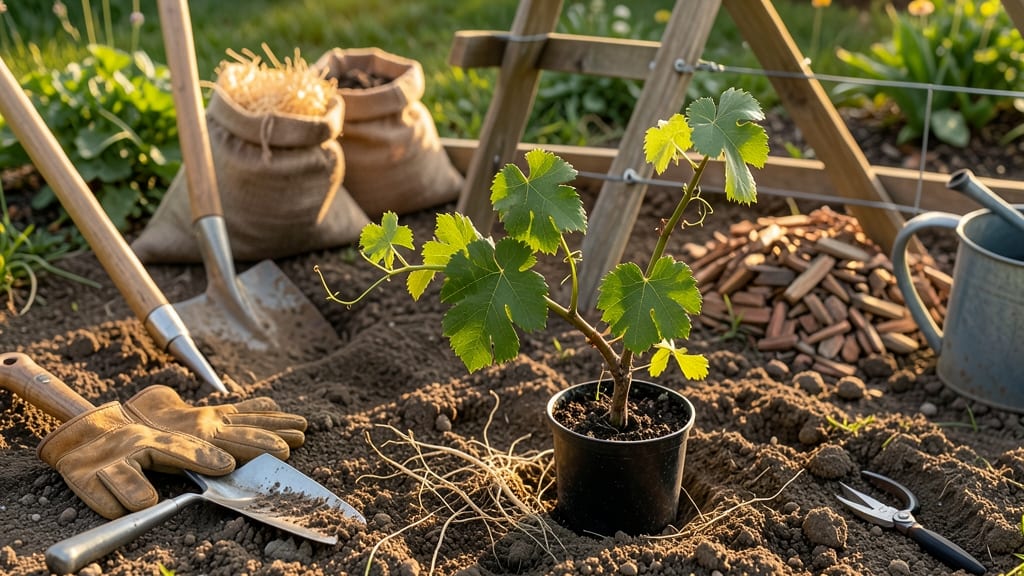
Timing your grape planting in Michigan isn’t just about the calendar—it’s about matching your variety’s chill hours to avoid frost damage and ensure a bountiful harvest. With USDA zones 5b-6b and unpredictable spring weather, getting it right means the difference between thriving vines and wasted effort.
Most Michigan gardeners plant 🍇 grapes in early spring (April–May) when the soil warms, but fall planting can work too—if you choose the right varieties. Whether you’re working with bare-root vines or potted plants, understanding your region’s frost dates and chill-hour needs is the key to success.
In this guide, I’ll break down the best planting windows for popular Michigan varieties, from high-chill classics like Concord to cold-hardy front-runners like Frontenac. You’ll also discover how to prep your soil, protect young plants, and adapt for container growing if your season feels too short.
Ready to turn your grape dreams into reality? Let’s dive into the exact steps to plant your vines at the perfect time—so you can enjoy homegrown fruit from August through September.
Michigan grape planting timeline by chill-hour requirements
Michigan’s grape varieties thrive when planted at the right time based on their chill-hour needs. Most 🍇 grapes need 500-1,000 chill hours (temperatures below 45°F) to break dormancy. In Michigan’s USDA zones 5b-6b, this means planting in early spring (April–May) or late summer (September) for optimal success.
The Upper Peninsula has shorter growing seasons and colder winters, favoring low-chill varieties like Frontenac (600 chill hours). Meanwhile, the Lower Peninsula can handle higher-chill varieties like Concord (800+ chill hours) if planted early enough to avoid late frosts.
Here’s how to match your grape variety to Michigan’s planting windows:
| Variety | Chill Hours | Best Planting Month | Notes |
|---|---|---|---|
| Concord | 800-1,000 | April–May | High-yielding; needs warm spring |
| Niagara | 700-900 | April–May | Sweet, cold-hardy; avoid late frosts |
| Frontenac | 600-700 | April–June or September | Low-chill; great for UP |
| Marquette | 500-600 | April–June or September | Disease-resistant; early ripening |
| Valvin Muscat | 600-700 | April–May | Fragrant; needs well-drained soil |
For bare-root grapes, plant as soon as the soil thaws (usually mid-April in southern Michigan). If you’re using potted vines, wait until after the last frost (typically mid-May) to avoid cold damage.
In the Upper Peninsula, where frosts linger longer, opt for low-chill varieties like Frontenac or Marquette. These can handle cooler springs and still produce fruit by late August.
If you miss spring planting, fall planting (late August–September) works for bare-root vines in southern Michigan. Just ensure the soil stays above 40°F for root establishment before winter.
Protect young vines with mulch or row covers if late frosts threaten. In zone 5b (northern Michigan), delay planting until after May 15 to avoid frost damage.
Container growing extends your planting window—just use large pots (15+ gallons) and move them indoors if frost hits early. This is ideal for short-season areas like the UP.
Always check your local last frost date (usually April 15 in southern Michigan, May 15 in the north) and adjust planting accordingly. With the right timing, your grapes will thrive and reward you with homegrown fruit by August!
Step-by-step guide: when and how to plant grapes in Michigan’s climate
Planting grapes in Michigan requires precise timing and preparation to survive our unpredictable frost dates and cool summers. Whether you’re using bare-root vines or potted plants, follow these steps to ensure your vines establish strong roots before the growing season kicks off.
For most Michigan gardeners, the ideal planting window is late April through early May, right after the last expected frost (around April 15). However, if you’re working with low-chill varieties like Frontenac, you can plant as late as early June—just be prepared for slower establishment.
🚨 BELOW 🚨
🌱 Step-by-Step Grape Planting Guide for Michigan
- Step 1: Choose your planting method—bare-root (cheaper, best for spring) or potted (flexible timing, higher survival).
- Step 2: Select a sunny, well-drained site with 6+ hours of sunlight and install a trellis or support system before planting.
- Step 3: Test and amend your soil pH (6.0–7.0)—Michigan’s clay-heavy soils often need compost or sand for drainage.
- Step 4: Dig a hole twice as wide as the root ball and 1–2 inches deeper than the roots. Loosen roots if bare-root.
- Step 5: Plant in cool, cloudy weather (avoid heatwaves) and water deeply immediately to settle the soil.
- Step 6: Mulch with 2–3 inches of straw or wood chips to retain moisture and protect roots from temperature swings.
- Step 7: Prune dead or damaged canes at planting and train remaining canes to the trellis for air circulation.
If you’re planting in containers, use a large pot (15+ gallons) with drainage holes and a well-draining potting mix. Container grapes need more frequent watering and may require winter protection if temperatures drop below -10°F.
After planting, monitor your vines for stress signs like yellowing leaves or wilting. In Michigan’s climate, early-season watering is critical—grapes need 1–2 inches of water weekly during dry spells. Avoid overhead watering to prevent fungal diseases like powdery mildew, which thrive in Michigan’s humid summers.
With the right timing and care, your grapevines will reward you with homegrown fruit by late August or September, just in time for fresh eating, jams, or wine. The key? Plant early, mulch well, and protect from frost—your future harvest depends on it!