
Plants
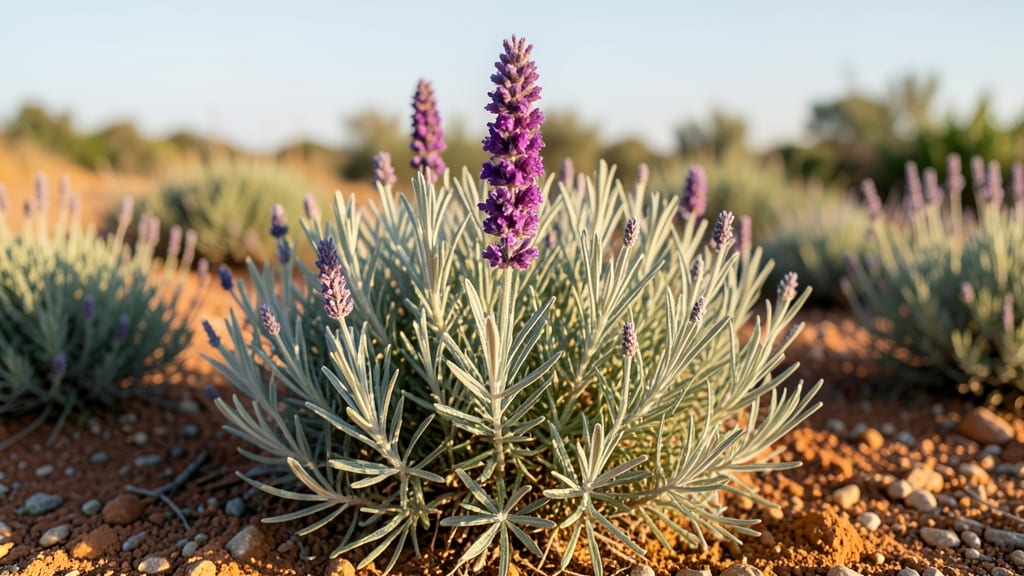
Optimal sunlight hours for lavender growth: the science behind 6-8 hours of direct sun
Lavender plants thrive under full sun exposure, but what does that really mean? For these Mediterranean natives, 6-8 hours of direct sunlight daily is non-negotiable for healthy growth, vibrant blooms, and that signature fragrance.
Without enough light, your lavender will stretch toward any available sun, producing weak stems and sparse flowers.
Think of lavender’s sunlight needs like a battery—it charges during the day to power its growth and flowering. In their native habitat, lavender receives intense Mediterranean sunlight with minimal shade. Recreating this environment in your garden is key to preventing common issues like leggy growth or poor oil production.
The 6-8 hour rule applies to most lavender varieties, including English lavender, French lavender, and Spanish lavender. However, dwarf varieties may tolerate slightly less light (around 5 hours), but they’ll still produce fewer blooms. Always prioritize sunlight over other factors like soil or water when growing lavender.
| Sunlight Requirement | Specification | Impact of Insufficient Light |
|---|---|---|
| Minimum Daily Sunlight | 6 hours (full sun) | Leggy stems, pale leaves, weak blooms |
| Optimal Daily Sunlight | 6-8 hours (direct sun) | Compact growth, abundant flowers, strong fragrance |
| Maximum Tolerance | 10+ hours (with afternoon shade in hot climates) | Heat stress, sunburn on leaves |
| Shade Tolerance | 3-4 hours (partial shade) | Poor flowering, weak stems, reduced oil content |
Calculating sunlight in your garden isn’t just about hours—it’s about intensity. A south-facing location in the Northern Hemisphere (or north-facing in the Southern Hemisphere) provides the most consistent sunlight.
If your yard has obstructed sunlight (like trees or buildings), measure the actual hours of direct light using a sunlight tracker app for accuracy.
Seasonal adjustments are crucial. In summer months, lavender can handle up to 10 hours of sunlight, but provide afternoon shade in extreme heat (above 90°F/32°C) to prevent leaf scorch.
During winter, when daylight shortens, supplement with a grow light if natural light drops below 4 hours daily—especially in USDA Zones 5-7.
For container-grown lavender, place pots on elevated surfaces like decks or patios to maximize sunlight exposure. Reflective surfaces like white gravel or light-colored walls can also bounce extra light onto your plants, effectively increasing their sunlight by up to 20%.
This trick is especially helpful for urban gardeners with limited space.
Remember, lavender’s light needs are tied to its photosynthetic efficiency. The more sunlight it receives, the more essential oils it produces, which is why lavender grown in full sun has the strongest fragrance. If you’re growing lavender for culinary or aromatic purposes, prioritizing sunlight is a must.
Pro tip: Observe your lavender’s growth patterns throughout the day. If stems lean toward the sun or leaves turn pale, it’s a clear sign your plant needs more light. Adjust its position gradually to avoid shocking the roots with sudden changes.
Signs your lavender isn’t getting enough light (and how to fix it)
If your lavender looks more like a sad, stretched-out shadow than a fragrant purple bush, it’s likely crying out for more sunlight. Lavender’s light needs are non-negotiable, and when they’re ignored, the plant sends you clear signals.
The first red flag is leggy, thin stems—your lavender is reaching upward like a sleepy cat stretching for the sun.
Next, check the leaves. Healthy lavender leaves are deep green and compact, but underlit plants develop pale, sparse foliage. The flower buds also suffer—expect fewer blooms or buds that fail to open, leaving you with a plant that looks more decorative than fragrant.
🌿 Pro Tip: If your lavender’s growth looks more like a weedy stalk than a bush, it’s time to act. Move it to a sunnier spot immediately—even a few extra hours of sunlight can make a dramatic difference within weeks.
⚠️ Warning Signs of Underlit Lavender
Leggy stems: Stems stretch unnaturally tall and thin, with long gaps between leaves.
Pale leaves: Foliage turns yellowish or loses its vibrant green color.
Fewer blooms: Buds fail to open or produce sparse, weak flowers.
Weak fragrance: Leaves lose their signature scent, smelling dull or musty.
Root rot risk: Overwatering in shade leads to soggy soil and rotting roots.
If relocating isn’t an option—like if you’re growing lavender in a shady urban balcony—consider a grow light. A simple LED grow light (12-14 hours daily) can mimic sunlight, though it won’t replace the real thing for outdoor lavender.
For container plants, rotate them weekly so all sides get even light exposure.
💡 Fix It Fast: Prune leggy stems back by one-third to encourage bushier growth. This isn’t just cosmetic—it redirects energy to healthier foliage and blooms. Pair this with a move to 6+ hours of sun, and you’ll see a stronger plant in as little as 4-6 weeks.
For gardeners in low-sun climates, like the Pacific Northwest, choose dwarf lavender varieties (e.g., ‘Hidcote’ or ‘Munstead’) that tolerate partial shade better. Even then, aim for at least 4-5 hours of direct sun daily—any less, and you’ll be fighting an uphill battle for fragrant blooms.