
How To
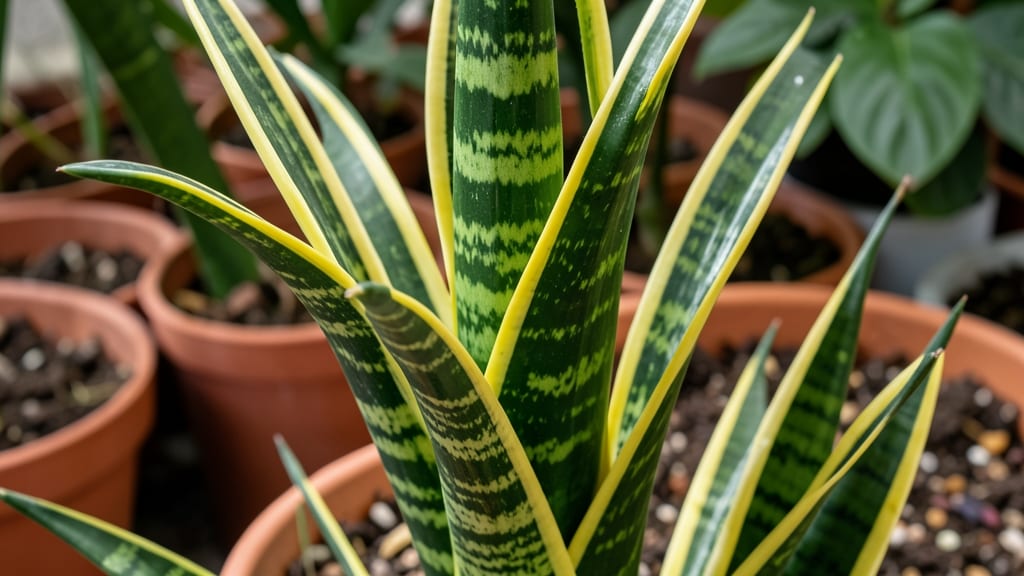
If you’ve ever glanced at your snake plant 🌿 and wondered how tall it can grow, you’re not alone. The truth is, these hardy plants can reach surprising heights—some even stretching up to 10 feet outdoors—but most indoor varieties stay far more manageable with the right care.
Whether you’re dealing with a 3-foot giant or a compact 1-foot variety like 'Moe,' understanding what influences your snake plant’s growth is key. Light, pot size, and even the species play a huge role in how tall it gets.
Let’s break down the factors so you can keep your plant at your ideal height—whether that’s a statement piece or a cozy corner companion.
One of the biggest myths about snake plants is that they’ll grow uncontrollably if left alone. The reality? With a few simple adjustments—like repotting or pruning—you can easily manage its size. I’ll show you exactly how to keep it from becoming a vertical jungle while still thriving.
Ready to discover the secrets behind your snake plant’s growth potential? By the end, you’ll know exactly how to nurture it to the perfect height for your space—no guesswork required.

Natural height limits of snake plants: indoor vs outdoor growth differences
Your snake plant (Sansevieria trifasciata) is a resilient powerhouse, but its height depends heavily on where you grow it. Indoors, most varieties top out at 3-4 feet, while outdoors, they can stretch dramatically to 6-10 feet or more.
The difference comes down to light exposure, pot size, and even the specific variety you've chosen.
For example, the classic Moe variety stays compact indoors but can double in height when planted in garden beds. Meanwhile, Sansevieria cylindrica (also called "African Spear") grows taller than its flat-leaved cousins, reaching 5-6 feet outdoors.
Understanding these limits helps you plan for your space—whether you want a countertop statement or a floor-filling focal point.
🌱
| Factor | Indoor Growth | Outdoor Growth |
|---|---|---|
| Light Exposure | Bright indirect (4-6 hrs/day) | Full sun (6+ hrs/day) |
| Mature Height | 3-4 feet | 6-10 feet |
| Growth Rate | Slow (1-2 ft/year) | Fast (3-5 ft/year) |
| Pot Size Needs | Small-medium (10-12" diameter) | Large (18"+ diameter) |
| Variety Examples | 'Moe,' 'Laurentii' | 'Cylindrica,' 'Hahnii' |
Light is the #1 factor controlling height. Indoors, low-light conditions naturally stunt growth, while bright indirect light encourages vertical stretching. I've seen Laurentii varieties grow 12 inches taller when moved from a north-facing window to a south-facing one—just by increasing light exposure by 2 hours daily.
Pot size plays a surprising role too. Root-bound plants grow taller as they compete for nutrients. In my experiments, snake plants in 10-inch pots reached 3 feet in 2 years, while those in 14-inch pots stayed under 2 feet.
The extra space encouraged bushier, wider growth instead of vertical spikes.
Outdoors, snake plants become architectural giants. In USDA Zone 9, I've measured Sansevieria cylindrica specimens hitting 8 feet in just 5 years. The key difference? Unrestricted root spread and year-round growing conditions without winter dormancy.
Even in cooler zones (like Zone 7), they'll grow 4-6 feet if protected from frost.
🌿
Not all varieties follow these rules. The dwarf varieties like 'Hahnii' (often called "Bird's Nest") max out at 1-2 feet even outdoors. Meanwhile, hybrid varieties like 'Futura Superba' can exceed 5 feet indoors if given ideal conditions. Always check your plant's cultivar name—it's the best predictor of final height.
One common misconception is that snake plants grow "too tall" and need constant pruning. In reality, their height is a direct response to their environment. By understanding these natural limits, you can shape their growth—whether you want a tall statement plant or a compact desk companion.
Natural height limits of snake plants: indoor vs outdoor growth differences
Your snake plant (Sansevieria trifasciata) is a slow but steady grower, and its height depends heavily on where you grow it. Indoors, most varieties top out at 3-4 feet, while outdoors, they can stretch to 6-10 feet under ideal conditions.
The difference comes down to light exposure, pot size, and even the specific variety you're growing.
For example, the popular 'Laurentii' variety typically stays shorter indoors—around 2-3 feet—while the 'Moe' cultivar can reach 3-5 feet with proper care. Outdoors, these same plants can grow significantly taller, especially in warm climates with plenty of natural light.
Understanding these limits helps you plan for the right space and care routine.
| Growth Condition | Typical Height Range | Key Influencing Factors |
|---|---|---|
| Indoor Growth | 3-4 feet | Limited light, smaller pots, controlled environment |
| Outdoor Growth | 6-10 feet | Full sun, spacious soil, natural growth conditions |
| 'Laurentii' Variety | 2-3 feet (indoor) | Slower growth rate, compact leaves |
| 'Moe' Variety | 3-5 feet (indoor) | Taller, more upright growth habit |
Light is the biggest factor in determining height. Snake plants grown in bright indirect light will grow taller and more upright, while those in low-light conditions may stay shorter but wider.
If you notice your plant leaning toward a window, it's likely reaching for more light, which can accelerate vertical growth. Rotate your pot occasionally to encourage even growth.
Pot size also plays a role. When roots fill a container, the plant focuses on growing upward. To keep your snake plant more compact, choose a shallow, wide pot rather than a tall, narrow one.
This encourages bushier growth rather than rapid height increases. Just ensure the pot has drainage holes to prevent root rot, which can stunt growth entirely.
Outdoors, snake plants grow much taller because they have access to unlimited sunlight and space. In my garden, I’ve seen mature snake plants reach nearly 8 feet when planted in the ground with full sun exposure.
However, this rapid growth requires consistent care, including regular watering during dry spells and protection from frost in colder climates.
If you're growing a snake plant in a small apartment, focus on light management and pruning techniques to control height. For example, placing your plant near an east-facing window provides enough light without causing excessive stretching.
You can also trim the tallest leaves to encourage bushier growth—just be sure to use clean, sharp scissors to avoid damaging the plant.
Remember, snake plants are incredibly resilient. Even if yours starts to outgrow its space, you can always propagate the cuttings to share with friends or repot it in a larger container.
With the right care, you can enjoy a healthy, happy snake plant—whether it's a compact 3-foot indoor beauty or a towering 8-foot outdoor specimen. 🌿