
Plants
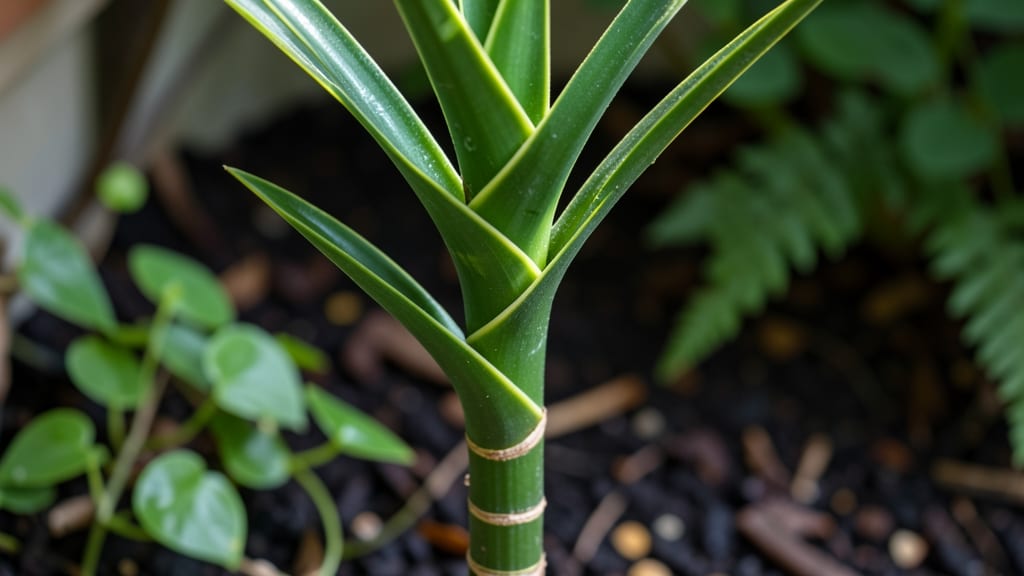
Wondering how tall does a snake plant grow before it becomes a full-blown architectural statement in your home? The answer might surprise you—these hardy 🌱 snake plants can range from compact tabletop companions to towering indoor giants, depending on their variety and growing conditions.
If you're planning your indoor garden layout, knowing the potential height of your snake plant is key. Some varieties stay under 2 feet, perfect for shelves or desks, while others can stretch toward the ceiling, making them a striking focal point in larger spaces.
The good news? Their growth rate is slow, so you won’t be dealing with rapid changes overnight.
But what factors actually influence how tall your snake plant will grow? Light exposure, pot size, and even the specific variety you choose all play a role. For example, 'Futura Superba' tends to grow taller than 'Moonshine', which stays more compact.
I’ll break down the differences so you can pick the perfect fit for your space.
Ready to discover how to encourage healthy growth—or manage it if it gets too tall? Let’s dive into the details so you can keep your snake plant thriving at just the right height for your home.

Snake plant height by variety: compact to towering growth charts
Snake plants (Sansevieria trifasciata and related species) are famous for their striking foliage and adaptability, but their mature heights can vary dramatically depending on the variety and growing conditions.
Some stay under 2 feet, perfect for small spaces, while others can soar to over 4 feet, making them bold architectural plants. Understanding these differences helps you choose the right type for your home or office.
Most snake plants grow vertically, sending up tall, upright leaves from a thick rhizome base. The height you can expect depends on factors like light exposure, pot size, and variety.
For example, the 'Moonshine' variety typically stays shorter than the 'Futura Superba', which can grow aggressively tall with proper care. Let’s break down the most popular varieties and their mature heights.
| Variety | Mature Height | Growth Rate | Ideal Placement |
|---|---|---|---|
| 'Moonshine' | 1.5–2.5 feet | Moderate (1–2 leaves/year) | Small shelves, desks, or tables |
| 'Laurentii' (Classic) | 2–3 feet | Slow to moderate (1 leaf every 1–2 years) | Corner of rooms, medium-sized tables |
| 'Futura Superba' | 3–4 feet | Fast (2–3 leaves/year) | Floor plants, large rooms, or as a statement piece |
| 'Hahnii' (Bird's Nest) | 1–1.5 feet | Slow (1–2 leaves/year) | Hanging baskets, small shelves, or terrariums |
| 'Twisted Sister' | 2.5–3.5 feet | Moderate (1–2 leaves/year) | Medium to large tables, floor stands |
If you’re working with limited vertical space, varieties like 'Moonshine' or 'Hahnii' are ideal choices. They thrive in smaller pots and won’t overwhelm your decor.
On the other hand, if you want to make a dramatic statement, 'Futura Superba' or 'Twisted Sister' will reach impressive heights with the right care. Just remember: taller varieties need stronger light to support their growth without becoming leggy.
Another key factor influencing height is the pot size. Snake plants grow taller when root-bound, as their rhizomes stretch upward in search of space.
If you notice your plant becoming too tall and spindly, it’s time to repot into a slightly larger container to encourage bushier growth. A 3–5 gallon pot is ideal for most mature snake plants, depending on the variety.
Light exposure also plays a crucial role. While snake plants are low-light tolerant, they grow faster and taller in bright, indirect light. Placing your plant near an east- or west-facing window will encourage healthier, more robust growth.
Avoid direct sunlight, which can scorch the leaves and stunt vertical development. If your snake plant starts leaning toward a light source, it’s a sign it needs to be rotated or moved to a better spot.
For outdoor growers, snake plants can adapt to USDA Zones 9–11 and may grow even taller in warm climates with well-draining soil. In cooler zones, they’re best kept as container plants and brought indoors during winter.
Outdoor snake plants can reach 4–5 feet in ideal conditions, but their growth slows significantly in shadier or cooler environments.
Pro tip: If you’re growing multiple snake plants, space them 12–24 inches apart depending on the variety. This prevents overcrowding, which can lead to stunted growth or pests like spider mites. A little elbow room helps each plant reach its full potential height without competing for nutrients.
Finally, remember that age matters. Younger snake plants grow slowly and stay compact for the first 1–2 years, while mature plants (over 3 years old) can shoot up several inches per year under optimal conditions.
With patience and the right care, your snake plant will become a long-lived, eye-catching centerpiece in your space. 🌱
How fast do snake plants grow? Height progression by age and care
Understanding how quickly your snake plant (Sansevieria) grows helps you set realistic expectations and adjust care routines. While these plants are famously slow-growing, their height progression varies dramatically based on age, light exposure, and pot size.
In ideal conditions, you might see 6-12 inches of growth per year, but many stay compact for years before reaching their full potential.
Young snake plants—those under 2 years old—typically grow the slowest, adding just 1-2 feet in their first year. This is when they focus energy on establishing roots rather than vertical growth.
The real height surge often happens between years 3 and 5, where you’ll notice more rapid elongation, especially in varieties like 'Futura Superba' or 'Laurentii'.
Here’s how height typically progresses with age under standard indoor care:
| Age Range | Height Progression | Growth Rate | Care Tip |
|---|---|---|---|
| 0-1 year | 1-2 ft | Slow (2-4 in/year) | Prioritize root establishment with well-draining soil |
| 2-3 years | 2-3 ft | Moderate (6-10 in/year) | Increase light exposure to 4+ hours daily |
| 4-5 years | 3-4 ft | Fastest (12+ in/year) | Repot if roots are circling; use larger container |
| 5+ years | 3-4 ft (mature) | Stabilizes (2-6 in/year) | Prune leggy leaves to encourage bushiness |
The light conditions play the biggest role in speeding up growth. Place your snake plant near a bright, indirect light source, like an east or west-facing window, to see the fastest height progression.
Direct sunlight can scorch leaves, while low light slows growth significantly—sometimes by as much as 50%.
Pot size also matters: Snake plants grow taller when root-bound, so if you notice leaves stretching toward the light, it’s time to repot into a container just 1-2 inches larger in diameter. Over-potting can lead to slower vertical growth as the plant focuses on filling the extra space.
Finally, avoid overwatering—snake plants grow faster when slightly drought-stressed. Let the soil dry out completely between waterings, and you’ll encourage healthier, more robust height progression over time. With the right care, your plant could reach its mature height in just 3-5 years!