
Plants
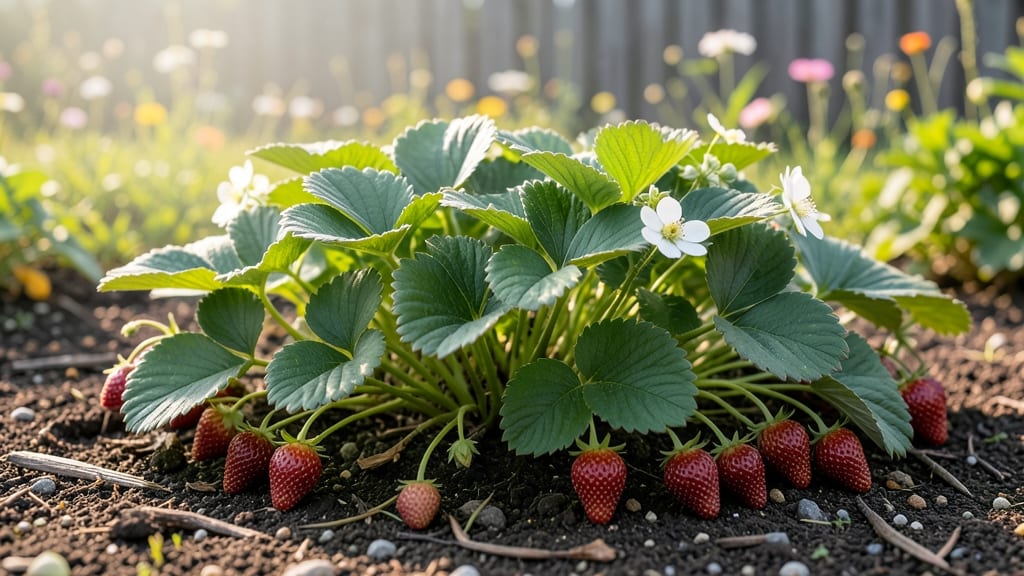
If you’ve ever wondered how tall does a strawberry plant grow, the answer might surprise you—these little powerhouses pack a lot of flavor into surprisingly compact (or sometimes surprisingly tall!) frames.
Most strawberry varieties stay between 6 and 12 inches tall, but everbearing types can stretch toward 18 inches when given the right support. That compact size makes them perfect for containers, raised beds, or even hanging baskets, but don’t let their stature fool you—they’re heavy producers!
What you might not realize is that strawberry height plays a huge role in how you cultivate them. Junebearing varieties, for example, tend to stay low and spread wide, while everbearing types often need trellises or stakes to keep their fruit off the ground and pests away.
Even a few extra inches can mean the difference between a bountiful harvest and a messy, crowded patch. The good news? With the right spacing and support, you can maximize both growth and berry production.
So whether you’re planning a small backyard patch or a container garden on your balcony, understanding your strawberry plants’ height habits is the key to happier plants and juicier berries.
Let’s break down the differences by variety and how to give them the support they need—because even the shortest strawberry plant can become a towering success with the right care.
Ready to learn how to keep your plants at their ideal height? We’ll cover everything from variety-specific growth tips to when (and how) to add support, so you can grow strawberries that thrive—no matter how tall (or short) they end up being. Let’s dig in!

Strawberry plant height by variety: junebearing vs. everbearing vs. day-neutral
Strawberry plants are famously compact, but their mature height can vary dramatically depending on the variety and growing conditions. Most strawberries stay between 6 to 12 inches tall, but some everbearing types can stretch toward 18 inches when supported.
Understanding these differences helps you plan your garden layout, choose support systems, and maximize your harvest.
For example, June-bearing strawberries like 'Chandler' or 'Jewel' typically stay low—around 6 to 10 inches—and focus energy on producing a single large crop in early summer.
Meanwhile, everbearing varieties such as 'Albion' or 'Seascape' may grow taller (10 to 18 inches) because they produce fruit in multiple flushes, requiring more vertical space for berries to develop properly.
Day-neutral varieties like 'Tristar' or 'Fort Laramie' often fall in the middle, growing 8 to 14 inches tall. Their continuous fruiting habit means they need consistent care to maintain healthy growth without becoming leggy.
If you're growing strawberries in containers, dwarf varieties like 'Mignonette' (just 4 to 6 inches) are ideal for small spaces.
Here’s how height impacts your garden: Taller varieties benefit from trellises or hanging baskets to keep berries off the ground and improve air circulation. Shorter types can thrive in ground beds or raised planters with minimal support.
The key is matching your growing method to the plant’s natural height and fruiting habits.
🌱
| Variety Type | Common Varieties | Mature Height | Growth Habit | Support Needs |
|---|---|---|---|---|
| June-bearing | Chandler, Jewel, Sparkle | 6–10 inches | Low, sprawling | Minimal (mulch helps) |
| Everbearing | Albion, Seascape, Ozark Beauty | 10–18 inches | Medium, upright | Moderate (trellis recommended) |
| Day-neutral | Tristar, Fort Laramie, Everest | 8–14 inches | Compact to medium | Light (hanging baskets work) |
| Dwarf (Container) | Mignonette, Tiny | 4–6 inches | Very compact | None (ideal for pots) |
The height of your strawberry plants also depends on how you prune and train them. For instance, everbearing varieties like 'Seascape' can grow 20% taller if left unpruned, but proper removal of runners keeps them manageable and boosts fruit production.
June-bearing types, however, benefit from removing old leaves after harvest to redirect energy for next year’s growth.
If you’re growing strawberries in USDA Zone 6a or warmer, taller varieties thrive with winter mulch to protect their crowns. In cooler zones, even dwarf varieties may need extra insulation to survive freezing temperatures. Always check your specific variety’s cold hardiness when planning your garden layout.
For container gardening, choose dwarf or semi-dwarf varieties to avoid overcrowding. A 5-gallon pot can comfortably hold 2–3 plants of 'Mignonette,' while larger containers (10+ gallons) accommodate taller types like 'Albion' with room for trellises.
Just ensure your container has drainage holes to prevent root rot, which can stunt growth.
One common mistake is assuming all strawberries need full sun for maximum height. While 6+ hours of sunlight is ideal, some day-neutral varieties tolerate partial shade (4–6 hours), which can slightly reduce their height but may improve berry quality in hot climates.
Experiment with your local microclimate to find the sweet spot for your plants.
🌿
When and how to support tall strawberry plants: trellis vs. hanging baskets vs. no support
Not all strawberry plants need support, but everbearing and day-neutral varieties often benefit from vertical structures to maximize fruit production and airflow. Without support, these plants can sprawl up to 24 inches or more, leading to overcrowding and disease.
The right support system can increase your yield by 30-50% by keeping berries off the ground and improving light exposure.
Your choice of support depends on your strawberry type and growing space. June-bearing varieties (like 'Chandler') typically don’t need support since they produce fruit close to the ground in a single flush.
However, everbearing and day-neutral varieties (such as 'Albion' or 'Seascape') thrive with support because they produce fruit in multiple cycles throughout the season.
Here’s a quick guide to help you decide when and how to support your strawberry plants:
If you’re growing strawberries in containers or hanging baskets, choose varieties with trailing habits like 'Seascape' or 'Ostara'. These plants will naturally cascade over the edges, creating a stunning display while maximizing fruit production.
Just ensure your container has drainage holes and is at least 12 inches deep to accommodate root growth.
For ground planting, use low trellises or wire hoops to create a 3-6 inch vertical lift for everbearing types. This simple setup elevates the fruit, reduces rot, and makes harvesting easier. Plus, it keeps your berries cleaner and more accessible to pollinators like bees.
Avoid overcrowding your strawberry plants, even with support. Thin out excess runners to ensure each plant has enough space to thrive. Overcrowding leads to smaller berries, increased disease risk, and reduced airflow, which can stunt growth and lower your harvest.
Aim for 12-18 inches between plants in rows spaced 2-3 feet apart.
Remember, the key to supporting strawberry plants is balance. Too much support can restrict natural growth, while too little can lead to tangled, unproductive plants.
Start with the right variety for your space, and don’t hesitate to experiment with different support methods to see what works best for your garden! 🌱