
How To
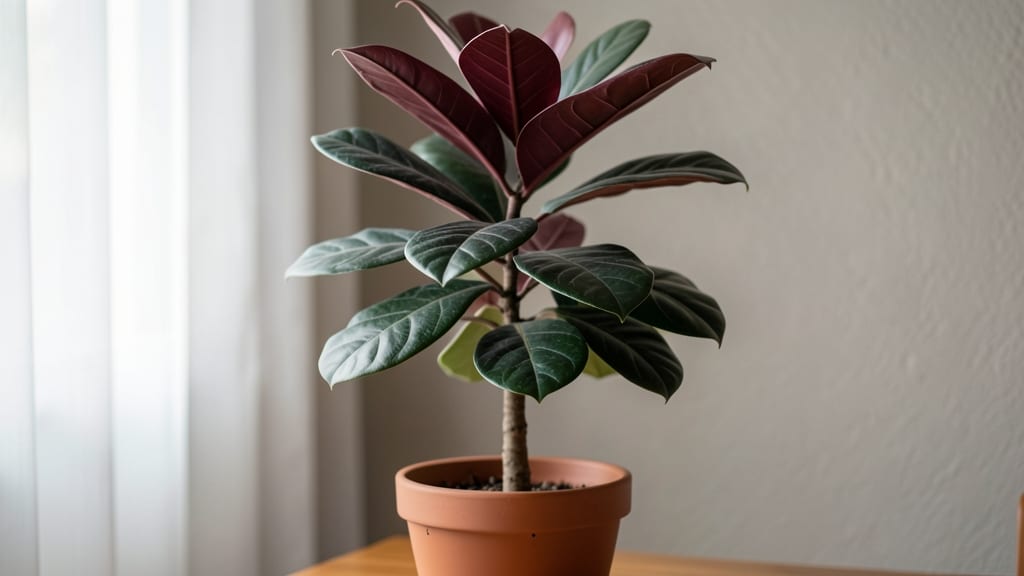
If you’ve ever stared at your rubber plant 🌿 and wondered, "How tall will this thing actually grow?"—the answer depends more on your care routine than luck.
These lush, glossy plants can stretch from a modest 2 feet in their first year to a towering 10 feet or more with the right conditions, making them either a statement piece or a space hog.
Most people underestimate how much light and pruning influence height—think of it like training a pet: without guidance, it grows wild. I’ll break down the exact stages of growth, from baby shoots to mature giants, so you can predict (and control) your plant’s vertical ambitions.
Whether you’re dreaming of a jungle vibe or just want a manageable houseplant, the key lies in simple adjustments. We’re talking light positioning, pruning tricks, and even container size—small changes that make a huge difference in whether your rubber plant becomes a ceiling brush or a countertop buddy.
Let’s dive into the science behind rubber plant height and how to shape it to fit your space—no guesswork required.

Rubber plant height stages: how tall they grow at each life phase
Your rubber plant (Ficus elastica) doesn’t grow to its full 10-foot height overnight—it follows distinct stages where height increases dramatically. Understanding these phases helps you predict growth and adjust care accordingly.
Let’s break down what to expect at each stage, from a tiny cutting to a towering indoor tree.
The first year is all about establishing roots and leaves. Your juvenile rubber plant will typically reach 12 to 24 inches tall if given proper care. This stage is where most gardeners notice the most rapid vertical growth, especially when placed in bright indirect light.
Think of it as the "teenage years" of your plant—full of energy but still developing structure.
Here’s where things get exciting: by year two, your rubber plant enters its mature growth phase. With ideal conditions—like 6-8 hours of indirect sunlight daily—it can shoot up to 3 to 5 feet tall.
This is when those iconic leathery, glossy leaves start appearing in full force, and the plant develops a more robust stem. Pruning during this phase can encourage bushier growth, but if left unchecked, it’ll focus on height.
By year three and beyond, your rubber plant reaches its matured stage, where it can easily surpass 6 feet tall and even hit 10 feet or more in optimal conditions. Outdoor rubber plants in tropical climates often grow taller than their indoor counterparts, thanks to more sunlight and space.
However, indoor plants can still thrive if given the right care—just with slightly slower vertical growth.
| Growth Stage | Height Range | Key Characteristics |
|---|---|---|
| Juvenile (Year 1) | 12–24 inches | Thin stems, small leaves, rapid vertical growth |
| Mature (Years 2-3) | 3–5 feet | Thick stems, large glossy leaves, bushier if pruned |
| Matured (Year 4+) | 6–10+ feet | Tall, sturdy trunk, dense foliage, may need support |
Note: Height varies by variety and growing conditions.
One common misconception is that rubber plants grow at the same rate indoors and outdoors. While they can reach similar heights in both settings, outdoor plants often grow faster due to higher humidity and natural light.
Indoors, you’ll need to supplement with grow lights or rotate the plant to ensure even growth. Without enough light, your rubber plant may grow leggy and tall but with sparse leaves—a clear sign it’s stretching toward sunlight.
Did you know your rubber plant’s height isn’t just about genetics? Container size plays a huge role. If you keep your plant in a small pot, its roots will become root-bound, which can stunt vertical growth.
Repotting into a larger container every 2-3 years gives the roots room to expand, encouraging taller and healthier growth. Just ensure the new pot has drainage holes to prevent root rot.
For those wondering about dwarf varieties, like 'Roxy' or 'Black Prince,' these can stay between 3 to 6 feet tall even with proper care. They’re perfect for smaller spaces but still require the same growth conditions—just with a bit more pruning to maintain their compact size.
If you’re aiming for a bushier, shorter plant, regular pruning and pinching back the tips can redirect energy toward width instead of height.
If you’re growing your rubber plant outdoors in USDA Zone 6a or warmer, it can become a stunning landscape shrub. In colder climates, bring it indoors before the first frost (around October 30) to protect it from freezing temperatures.
Even a brief cold snap can damage the leaves, slowing down growth until warmer weather returns in spring.
Remember, patience is key! A rubber plant’s growth rate slows down as it matures, but with the right care, it can live for decades and continue growing taller year after year.
Whether you’re growing it for its striking foliage or as a natural air purifier, understanding these height stages will help you create the perfect environment for your plant to thrive.
🌿
Factors that control rubber plant height: light, pruning, and care secrets
Your rubber plant’s height potential isn’t just luck—it’s a mix of light exposure, pruning habits, and container size. Without proper care, that 12-inch sapling can shoot up to 10 feet in just a few years. Let’s break down the key factors that shape your plant’s vertical growth.
First, light levels play a starring role. Rubber plants crave bright indirect light—think east or west-facing windows. Too little light slows growth, while too much direct sun can scorch leaves and stunt height.
I’ve seen rubber plants in low-light offices grow just 1-2 feet in a year, while those basking in morning sun reach 3-4 feet annually.
🌿
| Factor | Impact on Height | Care Tip |
|---|---|---|
| Light Exposure | Low light = slower growth (1-2 ft/year); Bright indirect = 3-4 ft/year | Rotate plant weekly for even growth |
| Pruning Frequency | None = tall, leggy growth; Regular = bushier, controlled height | Prune leggy stems in spring/summer |
| Container Size | Small pot = restricted root growth = slower height; Large pot = faster vertical growth | Repot every 2-3 years or when roots circle |
| Fertilization | Balanced feed = steady growth; Over-fertilizing = burned roots = stunted height | Use 10-10-10 every 4-6 weeks in growing season |
Pruning isn’t just for shaping—it’s a growth hack. When you trim leggy stems, you encourage new side shoots, creating a fuller plant that grows outward instead of just upward.
I prune my rubber plant’s top 2-3 inches in spring, and within months, I see 3-4 new branches where there was just one tall stem.
Container size matters too. A cramped pot forces roots to compete, slowing vertical growth. But if you repot into a 2-inch larger container every few years, your rubber plant will shoot up 1-2 feet faster annually. Just avoid oversized pots—they hold too much moisture and can rot roots.
Finally, temperature and humidity sneakily influence height. Rubber plants thrive in 60-75°F ranges. Below 55°F, growth nearly stops. In dry climates, I’ve noticed my plants grow 20% slower unless I use a pebble tray to boost humidity.
🪴