
Companion Plants
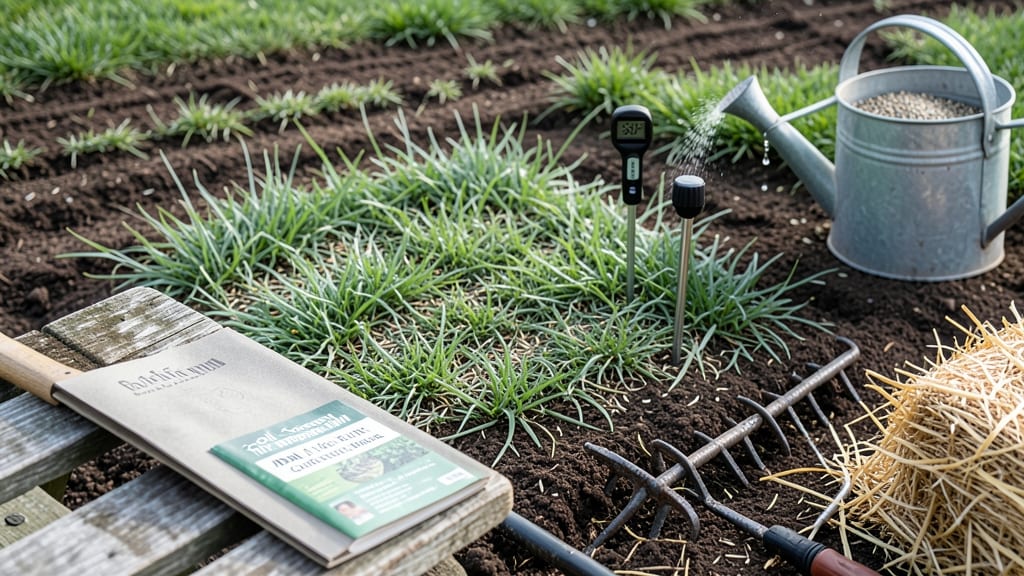
Knowing when to plant grass seed in Colorado can mean the difference between a lush, green lawn and months of frustration. With frost dates shifting from mid-April in the Front Range to early May in mountain regions, timing is everything for your 🌱 to take root properly.
I’ve seen too many homeowners rush planting in late winter or wait too long into summer—both mistakes that lead to weak germination or wasted seed. The secret lies in understanding your specific elevation zone and soil temperatures, which can vary dramatically even within the same county.
In this guide, I’ll break down the exact frost-free windows for Colorado’s USDA zones 5-7, including when to prep your soil and which grass varieties thrive in your microclimate. Whether you’re in Denver or Durango, you’ll learn how to time your planting for success.
Ready to skip the guesswork? Let’s get your lawn off to the right start—no more second chances on seed days.
Colorado’s frost-free planting zones by elevation: when to plant grass seed
Colorado’s diverse elevations—from the Front Range to the Western Slope—create wildly different frost-free windows for planting grass seed. At 5,000 feet in Denver, last frost hits around April 15, while mountain regions like Aspen (8,000+ ft) may not thaw until May 15.
This variance means timing matters more than ever for germination success.
For best results, aim to plant grass seed when daytime temperatures consistently stay above 50°F and soil warms to 60-75°F. Early spring (March-April) and early fall (August-September) are your sweet spots, but high-altitude areas should delay until after May 1 to avoid late frosts.
🌱
| Elevation Zone | Last Frost Date | Ideal Planting Window | Soil Temp for Germination |
|---|---|---|---|
| Front Range (5,000–7,000 ft) | Mid-April to early May | March 15–April 30 | 60–70°F |
| Western Slope (4,000–6,000 ft) | Early April to mid-April | March 1–April 15 | 65–75°F |
| Mountain Regions (8,000+ ft) | Late May to early June | May 15–June 15 | 55–65°F |
| San Luis Valley (7,500–8,000 ft) | Early May | April 15–May 15 | 60–70°F |
To find your exact last frost date, check the USDA Plant Hardiness Zone Map or use local weather tools like the Colorado Climate Center. Pro tip: Add 2–4 weeks to your frost date for safe planting—this accounts for unpredictable late frosts, especially in high-elevation areas.
Fall planting (August-September) works well in lower elevations like Colorado Springs, where first frost arrives around October 20. Seedlings need 6–8 weeks to establish roots before winter, so time it right. For mountain regions, fall planting is risky—opt for spring instead.
Microclimates play a huge role. A south-facing slope warms faster than a north-facing yard, potentially shaving off 2–3 weeks of your frost-free window. Use a soil thermometer ($10 at garden centers) to confirm soil temps before planting—this beats guessing games.
Watering is critical during germination. New grass needs 1–1.5 inches of water weekly (including rain) for the first 10–14 days. In Colorado’s dry climate, this means daily light watering until seeds sprout. Use a rain gauge to track moisture—overwatering can suffocate seeds just as much as underwatering.
💧
Don’t let Colorado’s unpredictable weather derail your lawn dreams. By aligning your planting with your elevation zone and soil conditions, you’ll maximize germination rates and minimize stress on young grass. Next up: Soil prep and seed variety tips tailored to Colorado’s climate.
How to prepare your soil and choose the right grass seed type for Colorado’s climate
Preparing your soil is just as critical as timing your planting. Colorado’s dry climate and variable elevations mean your soil may need extra attention to support grass seed germination.
I always start by testing my soil’s pH level—most Colorado grasses thrive in a slightly acidic to neutral range of 6.0 to 7.0. If your soil is too alkaline (common in our region), a sulfur amendment can help adjust it before planting.
Next, focus on soil aeration. Compacted soil is a major issue in Colorado, especially in urban areas with heavy foot traffic. Rent a core aerator to create small holes (about 3-4 inches deep) where seeds can settle and roots can grow.
This step is non-negotiable for proper seed-to-soil contact, which is essential for germination.
Now, let’s talk grass seed varieties. Colorado’s climate demands cool-season grasses that can handle our cold winters and hot summers. The top three I recommend are Kentucky Bluegrass (durable and drought-tolerant), Tall Fescue (heat-resistant and low-maintenance), and Fine Fescue (shade-tolerant and water-efficient).
For high-elevation areas, mix in Creeping Red Fescue for extra hardiness.
If you’re planting in shady areas, avoid Kentucky Bluegrass—it struggles without full sun. Instead, opt for Fine Fescue blends or Shade-Tolerant Tall Fescue. For drought-prone regions, consider Buffalo Grass or Blue Grama, though they’re less common in residential lawns.
After choosing your seed, spread a light layer of compost (about ½ inch) over the aerated soil. This adds organic matter to improve water retention and nutrient availability. Then, gently rake the area to create a fine, even seedbed—no clumps or bare spots.
Finally, apply a thin layer of straw mulch (not hay) to protect seeds from wind and erosion while they germinate.
Pro tip: If you’re seeding in late summer or fall, choose a drought-resistant blend and water deeply in the evening to reduce evaporation. Colorado’s unpredictable weather means your seedbed could dry out quickly—so keep a hose handy for those first critical days.