
Plants
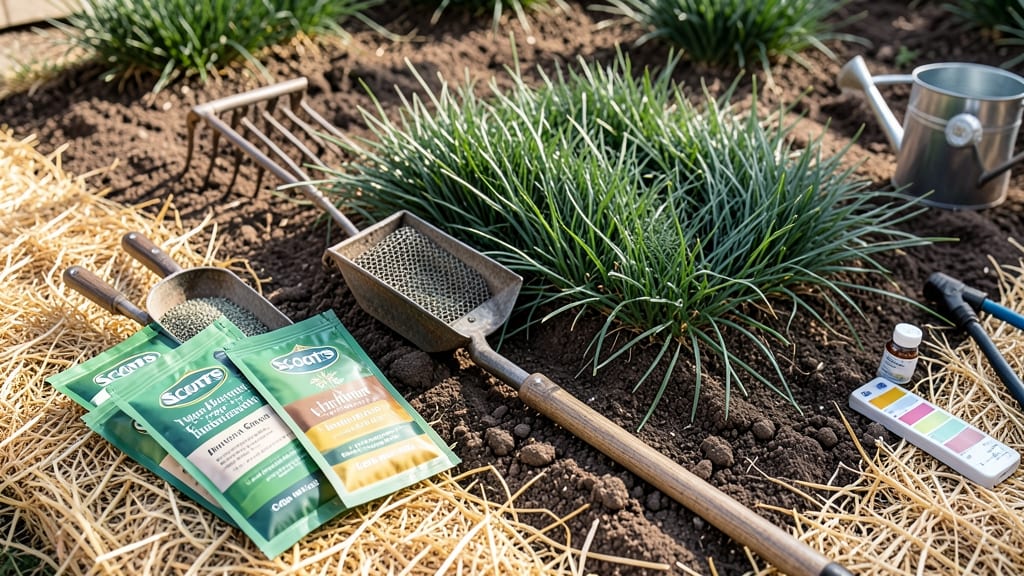
Planting grass seed in Colorado isn’t just about grabbing a bag and scattering it—it’s a high-stakes timing game where elevation, frost dates, and microclimates decide whether your lawn thrives or fizzles out.
The wrong window can mean wasted seed, weed invasions, or even frost damage before your grass gets a chance to root. But get it right, and you’ll have a lush, resilient lawn that survives Colorado’s 4-7 USDA zones.
Most gardeners know spring and fall are the best times, but Colorado’s dramatic shifts in temperature and altitude make those general rules tricky.
Whether you’re in Denver’s 5b zone or Grand Junction’s 6b**, the ideal planting window varies by hundreds of feet—and missing it by even a few weeks can spell disaster. Let’s break down the exact deadlines for your region, so you can plant with confidence and avoid costly mistakes.
You’ll discover how to read your local frost dates, prep soil for germination, and choose the right seed for your elevation—whether you’re seeding in the foothills or high-altitude plains.
With the right approach, your 🌱 turfgrass will establish strong roots before winter sets in, giving you a head start on a green, healthy lawn next spring.
Ready to stop guessing and start growing? We’ll walk you through step-by-step, from soil temperature checks to watering schedules that keep your new grass alive and thriving—no matter where you live in the Centennial State.
Colorado grass seed planting deadlines by elevation: spring vs fall breakdown
Colorado’s diverse elevations create wildly different planting conditions—what works in Denver (5,280 ft) fails in Steamboat Springs (6,800 ft). Your success hinges on knowing three elevation zones and their critical frost dates.
Spring planting (March–April) is riskier due to late frosts, while fall (August–September) offers cooler soils and fewer weeds. Let’s break down the exact windows for each zone.
First, check your elevation: lowland (3,000–5,000 ft), foothills (5,000–7,000 ft), or mountain (7,000+ ft). Soil temperature must stay above 50°F (10°C) for 7–10 days before seeding. Use a soil thermometer—cold soil = rotten seeds. In Colorado, this threshold arrives 2–4 weeks later at higher elevations.
For spring planting, aim for 2–4 weeks after your last frost date. In Denver (Zone 5b), that’s typically mid-April, but in Grand Junction (Zone 6b), you can start as early as mid-March.
Mountain regions (e.g., Aspen, 7,800 ft) wait until late May to avoid snowmelt washing seeds away.
Fall planting is safer for most Coloradans because seedlings establish roots before winter. The ideal window is 6–8 weeks before your first frost. For Denver (first frost: Oct 15), seed by early September.
In Colorado Springs (first frost: Oct 30), you have until mid-October. High-altitude areas like Leadville (9,000 ft) must plant by late August to avoid early snow.
🌱 ⚠️ CRITICAL: Colorado’s diurnal temperature swings (hot days, cold nights) stress young grass. Spring seedlings need consistent moisture to survive, while fall seedlings benefit from natural rainfall as winter approaches. Never plant when forecasted rain exceeds 0.5 inches in 24 hours—seeds wash away.
Spring planting demands vigilance against weeds. Cool-season grasses like Kentucky bluegrass germinate faster than weeds if seeded before May 15 in lowland areas. Use a pre-emergent herbicide 2 weeks before planting to block crabgrass. In foothills, tall fescue outcompetes weeds better—plant by May 1 for best results.
Fall planting simplifies weed control because summer weeds die off by August. Focus on soil prep: till existing sod, add compost, and rake for a smooth seedbed.
Lightly cover seeds with ¼ inch soil to protect from birds and wind. Water twice daily (morning and evening) for the first 2 weeks to keep soil consistently moist.
High-altitude gardeners face unique challenges: thin air reduces oxygen for seed germination. Use high-altitude grass seed blends (e.g., crested wheatgrass) and reduce seed spacing by 20% to ensure density.
In mountain regions, test soil pH—it often runs alkaline (7.5+) due to limestone. Amend with sulfur to lower pH to 6.0–7.0 for optimal growth.
Pro tip: Overseed in fall if you planted in spring—this doubles coverage and fills thin patches. Use a slit seeder for even distribution and fertilize with starter N-P-K (20-0-5) to jumpstart growth.
Water deeply 3x weekly until seedlings reach 2 inches tall, then taper to 1–1.5 inches per week.
Remember:
5 Signs your Colorado grass seed planting timing is wrong (and how to fix it)
Even with the perfect seed and soil prep, wrong timing can sabotage your Colorado lawn before it even starts. One of the biggest mistakes I see is planting too early when soil temperatures are still below 50°F—this causes seeds to rot instead of sprout.
If your grass sprouts slowly or looks patchy, check your soil temp with a soil thermometer; it should stay above 55°F for at least 7 days before planting.
Another red flag? Weed explosions after seeding. If weeds pop up faster than your grass, you likely planted too late in spring when weeds have a head start. Late spring plantings (after May 15 in most regions) often fail because weeds outcompete young grass for nutrients and sunlight.
For high-altitude areas (7,000+ ft), this window shrinks to April 1–15—don’t wait until May!
Here’s how to spot and fix timing mistakes before they derail your lawn:
Seeds Sprout Slowly or Not at All
🌱 Cause: Soil too cold (<50°F) or too dry. Fix: Wait until soil is 55–65°F (use a thermometer) and water deeply 2x daily until sprouts appear.
Weeds Take Over Before Grass Establishes
🌿 Cause: Planted too late in spring (after May 15) or didn’t pre-treat weeds. Fix: Plant in fall (Aug–Sept) or use pre-emergent herbicide 2 weeks before seeding.
Grass Turns Yellow or Dies After Sprouting
💧 Cause: Overwatering (causes rot) or fungal diseases from wet leaves. Fix: Water early morning (4–8 AM) and keep grass 1–1.5 inches tall to prevent fungal growth.
Hail or Frost Damages New Sprouts
❄️ Cause: Late spring plantings (June) risk hail, or fall plantings too close to first frost. Fix: Plant 4–6 weeks before first frost (check Almanac for your elevation).
Soil Feels Hard or Dry After Watering
🪴 Cause: Compacted soil or summer drought stress. Fix: Aerate before planting and water deeply 2x daily for the first 2 weeks. Use mulch to retain moisture.
Pro tip: Use a frost calendar for your specific elevation—Denver’s last frost is typically April 15, but mountain towns like Leadville (10,000 ft) can see frost until June 1.
Planting too close to these dates risks seed washout or frost damage. For foolproof timing, aim for 4–6 weeks before first frost in fall or after last frost in spring.
If you’ve already planted and see these signs, don’t panic! Adjust your watering, check soil conditions, and consider a top-dressing of compost to help struggling sprouts. With the right fixes, your grass can still recover—just act fast before weeds or disease take over.