
Companion Plants
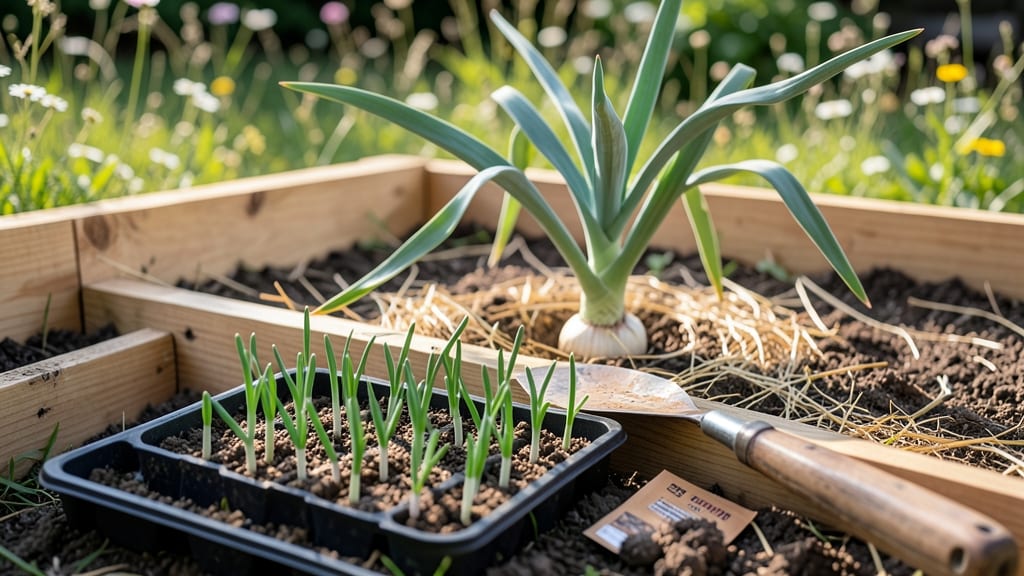
Timing your 🧅 onion planting in Zone 6 wrong can mean the difference between a bumper crop and bitter, bolted greens—but getting it right guarantees sweet, plump bulbs all season.
If you've ever wondered when to plant onions in Zone 6, the answer depends on two key windows: early spring (March-April) or late summer (July-August). Planting too early risks bolting from warm soil, while waiting too long cuts your harvest short.
I'll show you exactly how to calculate frost dates, choose between sets and seeds, and avoid common mistakes that turn your garden into a science experiment. Let's make this your most successful onion season yet!
With the right timing, you'll enjoy fresh onions from late summer through fall—no guesswork, just flavorful results. Ready to transform your garden?

Zone 6 onion planting windows: exact dates to avoid bolting
Timing is everything when growing onions in Zone 6. Plant too early, and you risk premature bolting—those bitter, flower-stalk-filled onions you don’t want. Plant too late, and your harvest shrinks.
The key? Soil temperatures between 40°F and 60°F and strategic planting windows that align with your last frost date (typically around April 15 in Zone 6).
For most gardeners in Zone 6, the sweet spot is planting onions 4-6 weeks before your last frost. That means starting in mid-March to early April for spring onions.
But here’s the twist: Zone 6 also allows for a fall planting window in late July to early August for a second harvest. Let’s break down the exact timelines to maximize your yield.
| Planting Window | Best Time in Zone 6 | Soil Temp Threshold | Frost Consideration |
|---|---|---|---|
| Spring Planting | Mid-March to early April | 40°F–60°F | 4–6 weeks before last frost (April 15) |
| Fall Planting | Late July to early August | 60°F–70°F | Harvest before first frost (October 15) |
Spring planting is the most popular choice because it gives onions plenty of time to mature before summer heat sets in. But don’t overlook the fall window—it’s perfect for short-day onion varieties like Yellow Sweet Spanish or Red Baron, which thrive when days grow shorter.
Just be sure to harvest before the first frost hits in mid-October.
If you’re using onion sets (small bulbs), plant them as soon as the soil is workable in early spring. For transplants, wait until they’re 4–6 inches tall before setting them out in mid-April.
And if you’re starting from seeds, sow them indoors 8–10 weeks before your last frost for a head start.
Pro tip: Use a soil thermometer to monitor temperatures. Onions hate soil temps above 75°F—they’ll bolt faster than you can say “scallions.” Mulch with straw to keep roots cool during hot spells, especially in late spring.
Zone 6’s unpredictable springs can throw off your timing. If late frosts linger, opt for cold-hardy varieties like Potager or Stuttgarter. These can handle light frosts and still produce great bulbs. Just avoid planting too early—cold, wet soil slows germination and invites rot.
For a year-round supply, stagger plantings every 2 weeks in spring and again in early fall. This way, you’ll have fresh onions from June through October, with minimal bolting risk. And remember: shade cloth (30–50%) can be a lifesaver in late spring if temperatures spike unexpectedly.
Bolting isn’t just about timing—it’s also about day length. Onions are long-day plants, meaning they bolt when days exceed 14–15 hours. In Zone 6, this happens in late May to June.
To delay bolting, use black plastic mulch to warm the soil faster in spring or plant in partial shade during peak heat.
Finally, keep an eye on your onion tops. If they start flowering (those tall, seed-producing stalks), your bulbs will be small and pungent. The goal? Harvest before flowering—when tops fall over and bulbs reach 1–2 inches in diameter.
This usually happens in late July to August for spring plantings.
Zone 6 onion planting windows: exact dates to avoid bolting
Timing is everything when growing onions in Zone 6. Plant too early, and your bulbs will bolt from the cold. Wait too long, and you’ll miss the ideal growing window.
The key is understanding your last frost date (typically around April 15 in Zone 6) and soil temperatures—aim for 40-60°F for best results.
For spring onions, start planting 4-6 weeks before your last frost, usually in late March to early April. This gives your plants enough time to mature before summer heat sets in.
If you miss this window, don’t worry—fall planting is also an option for a late-season harvest.
Here’s the breakdown of your Zone 6 onion planting windows to avoid bolting and maximize yields:
| Planting Window | Best Time | Soil Temp | Frost Risk |
|---|---|---|---|
| Spring Planting | Late March - Early April | 40-60°F | Low (after last frost) |
| Fall Planting | Mid-July - Early August | 50-70°F | None (harvest before frost) |
| Late Summer Planting | Late August | 55-65°F | Moderate (harvest before first frost) |
For spring onions, choose varieties like 'Sweet Spanish' or 'Yellowstone', which tolerate cooler temperatures. If you’re planting in late summer, opt for short-day onions like 'Texas Early White', which mature faster in the shorter daylight of fall.
Pro tip: Use a soil thermometer to confirm temperatures before planting. If your soil is still below 40°F, wait a few more weeks—cold soil can stunt growth and delay harvest.
Remember, onion sets (small bulbs) are faster to grow than seeds, so they’re ideal for tight spring windows. If you’re using seeds, start them indoors 8-10 weeks before your last frost for a head start.