
Companion Plants
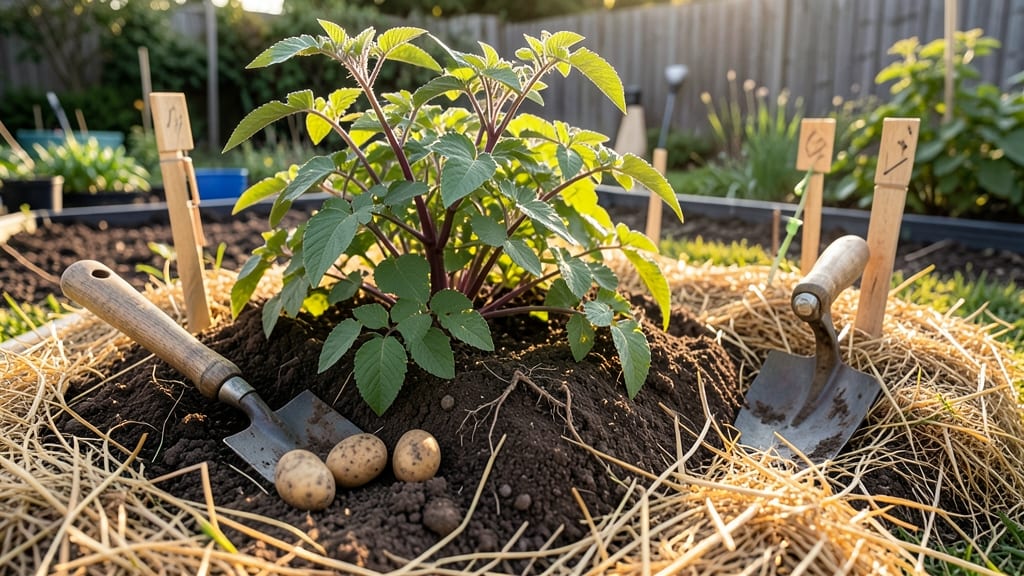
If you're wondering "when can I plant potatoes in Zone 7b", timing is everything—because those crisp, golden spuds won’t grow themselves! In this region, you’ve got two prime chances: early spring or late summer for a fall harvest.
Miss the window, and you might end up with stunted tubers or worse, a total flop.
Zone 7b’s mild winters and warm summers create the perfect balance for two potato crops a year, but getting it right means knowing your last frost date and soil temps. Plant too early, and frost will nip your sprouts.
Too late, and your harvest might arrive just as winter sets in. Let’s break down the exact windows—and how to adjust for your soil type—to ensure you’re planting at the best possible time for maximum yield.
Whether you’re a first-time gardener or a seasoned pro, the key is preparation. We’ll cover the ideal soil conditions, frost-free timing, and even which potato varieties thrive in Zone 7b’s climate.
By the end, you’ll know exactly when to pop those seed potatoes into the ground for a harvest that’ll make your neighbors jealous.
Ready to dig in? Let’s get your 🥔 planting schedule locked down so you can enjoy homegrown potatoes all season long—no guesswork required.

Ideal planting windows for potatoes in Zone 7B: spring vs fall schedule
Timing is everything when planting potatoes in Zone 7B, where the average last frost date falls around March 15 and the first frost typically arrives by November 15. This gives you two prime planting windows: early spring (March–April) and late summer/fall (September–October).
Each offers unique advantages, but getting it wrong can lead to stunted growth or even total crop failure.
For spring planting, aim to get your seed potatoes in the ground 4–6 weeks before the last frost. This ensures tubers have enough time to mature before summer heat sets in.
Meanwhile, fall planting in September allows you to harvest before winter arrives, giving you a second crop when many gardeners are winding down.
Soil temperature is critical—potatoes thrive when soil reaches 45–50°F. In Zone 7B, this usually happens by early March, but cooler microclimates may delay planting by a few weeks. Always test your soil with a soil thermometer before planting to avoid cold-related setbacks.
Here’s how to balance these factors for maximum success in your Zone 7B garden:
🌱 Comparison Table: Spring vs Fall Planting for Potatoes in Zone 7B
| Factor | Spring Planting (March–April) | Fall Planting (September–October) |
|---|---|---|
| Planting Window | Early March–Mid-April | Late August–Early October |
| Soil Temp Requirement | 45–50°F (test before planting) | 50–55°F (warmer soil speeds growth) |
| Frost Risk | Low after March 15 | High after November 1 |
| Harvest Window | Late June–August | October–November |
| Best Varieties | Early maturing (e.g., 'Red Norland') | Medium-late (e.g., 'Yukon Gold') |
| Key Adjustments | Use row covers for cold snaps | Plant deeper, mulch heavily |
If you plant in spring, prioritize early-maturing varieties like 'Red Norland' or 'Kennebec' to avoid summer heat stress. These varieties can go from sprout to harvest in as few as 70–90 days, giving you a quick turnaround before temperatures rise.
For fall planting, choose medium-late varieties such as 'Yukon Gold' or 'Russet Burbank' that can handle cooler temperatures. Plant these 8–10 weeks before your first frost (around early October in Zone 7B) to ensure tubers mature before winter sets in.
Pro tip: In Zone 7B, late August is the absolute latest you should plant for a fall harvest. Any later, and your potatoes won’t have enough time to develop before frost hits. Always mark your planting dates and track soil temps to stay on schedule.
One common mistake is planting too early in spring when soil is still cold. Potatoes won’t sprout until soil reaches 45°F, so if you plant in February, you’re just wasting seed potatoes. Wait for consistent 50°F soil temps before digging in.
To maximize your harvest, consider succession planting: start with early varieties in March, then follow up with medium-late varieties in April for a staggered harvest. This way, you’re not overwhelmed with potatoes all at once and can enjoy them fresh throughout the summer and fall.
Finally, don’t forget to hill your potatoes—whether in spring or fall—to encourage tuber formation. As plants grow, mound soil around the stems every 2–3 weeks to protect new tubers from light exposure (which turns them green and toxic).
How to adjust potato planting for Zone 7B’s microclimates and soil conditions
Zone 7B’s variable soil types and microclimates can drastically impact your potato harvest. Heavy clay soils, for example, can suffocate roots, while sandy soils drain too quickly. The key is adapting your approach based on what you’re working with.
For clay-heavy soils, amend with compost or aged manure before planting to improve drainage. Mix in coarse sand or perlite to break up compaction. In sandy soils, focus on mulching heavily to retain moisture, as these soils dry out faster than clay.
Raised beds are a game-changer in Zone 7B, offering better control over soil quality and drainage. Fill them with a mix of topsoil, compost, and straw to create an ideal growing medium. Raised beds also warm up faster in spring, giving you a head start on planting.
If you’re dealing with late spring frosts, use row covers or cold frames to protect young plants. These tools can extend your growing season by 2-3 weeks, allowing you to plant earlier or harvest later in the fall.
Mulching is another critical step. Apply straw or grass clippings around potato plants to regulate soil temperature, suppress weeds, and retain moisture. This is especially important in dry spells, which are common in Zone 7B’s summer months.
For fall planting, choose a location with maximum sunlight exposure and avoid low-lying areas where cold air settles. If your garden has uneven terrain, prioritize south-facing slopes for warmer microclimates.
Finally, always monitor your soil’s moisture and temperature. Potatoes thrive in soil that stays between 50-60°F—too cold, and growth stalls; too hot, and tubers can scorch. Use a soil thermometer to check conditions before planting.